Misogynistic Reactions Can’t Stop Feminist Frankenstein Reinvention The Bride! From Being One of the Boldest Studio Films Ever
Maggie Gyllenhaal’s divisive take on Mary Shelley’s classic tale is a must-see
by Alex Kaan 7 March 2026
© Warner Bros.
At a press screening, a boorish male critic mocked a scene where Jessie Buckley’s Bride of Frankenstein shouts, “Me too!” The apathy towards The Bride!, Maggie Gyllenhaal’s audacious blend of the Frankenstein myth and Bonnie and Clyde, will not be limited to that demographic. But when considering the mixed reviews, it’s worth remembering that plenty will be put off by the feminist horror film simply because it is so in-your-face in its exploration of violence against women.
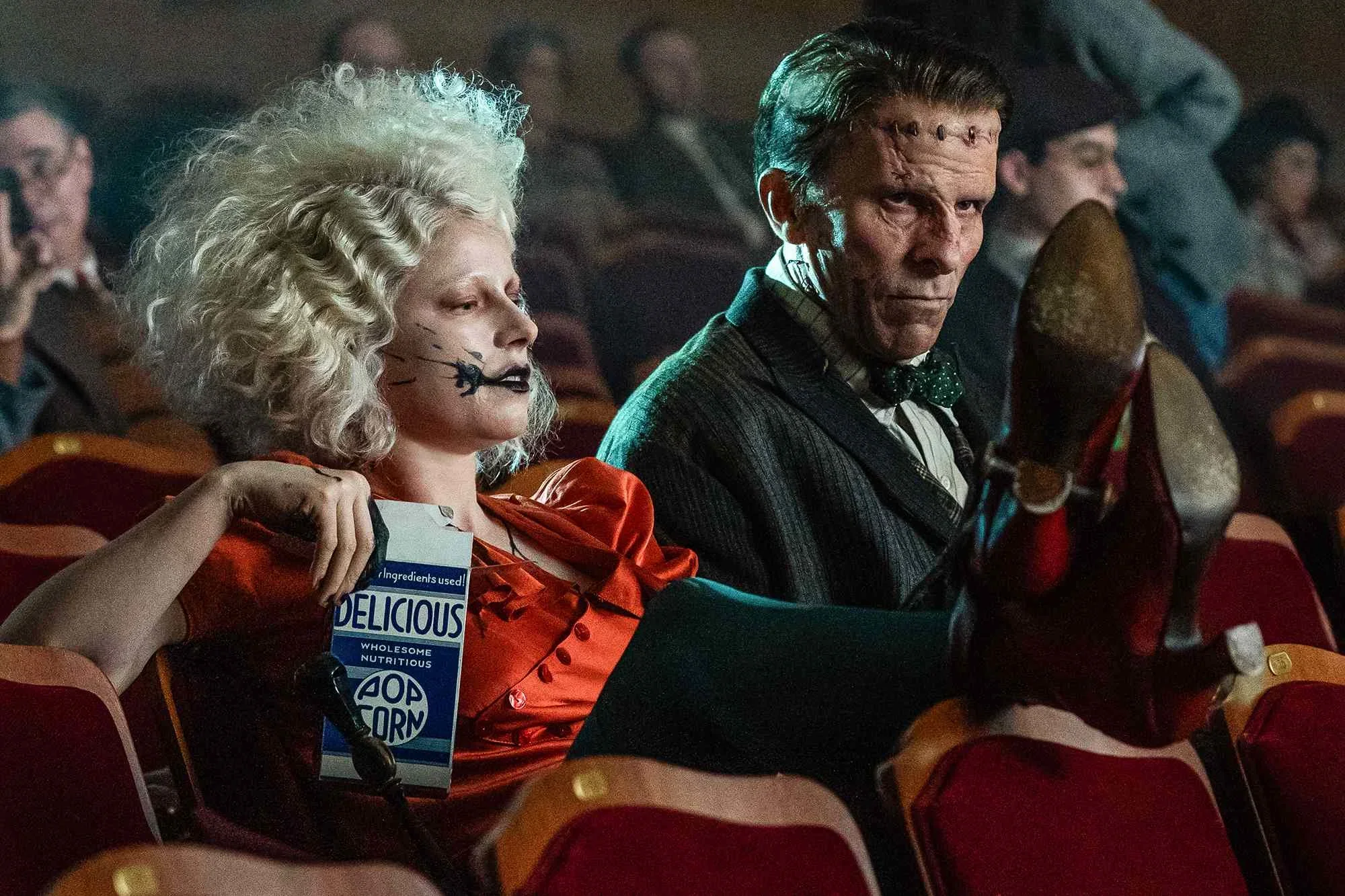
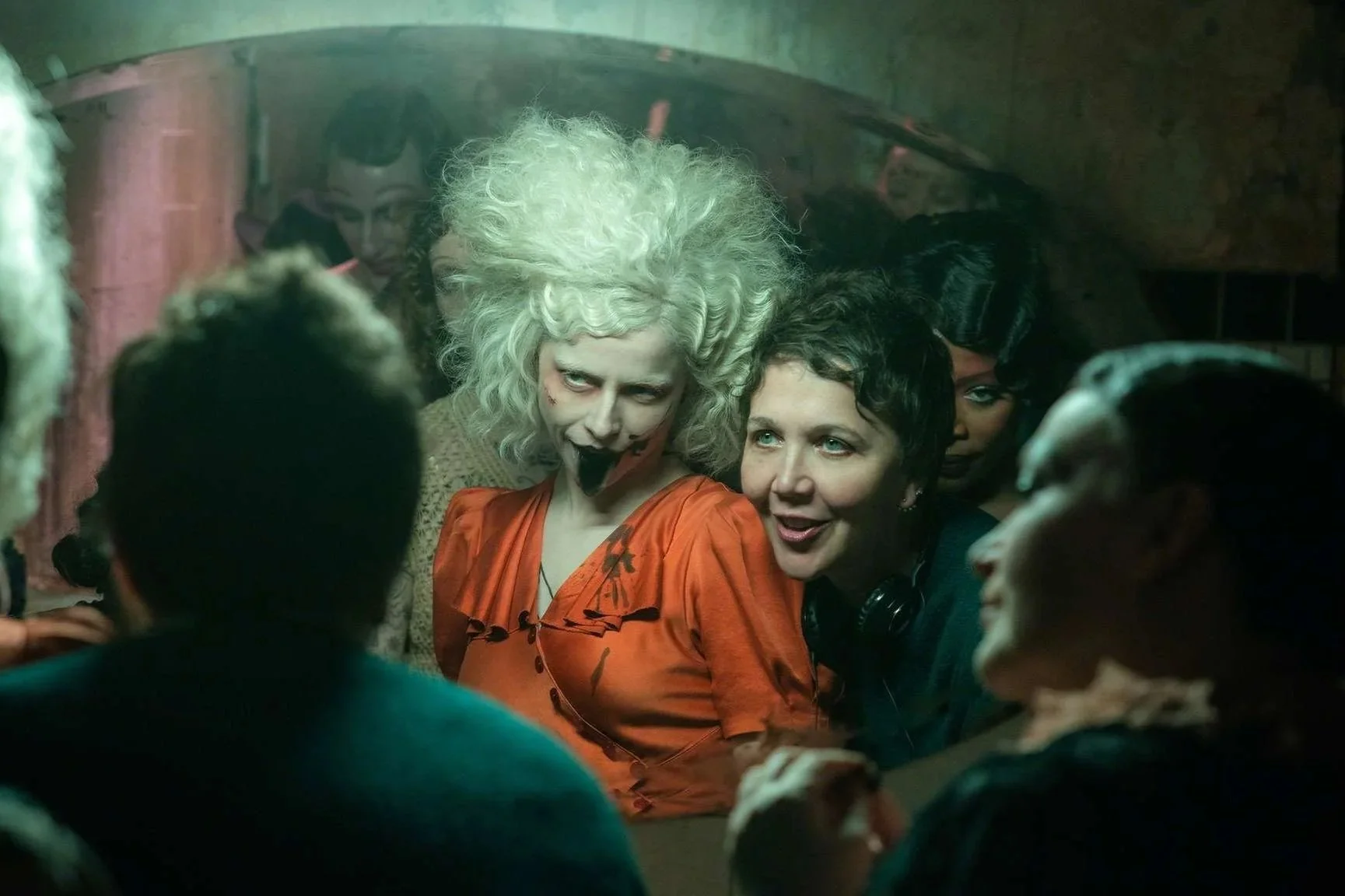
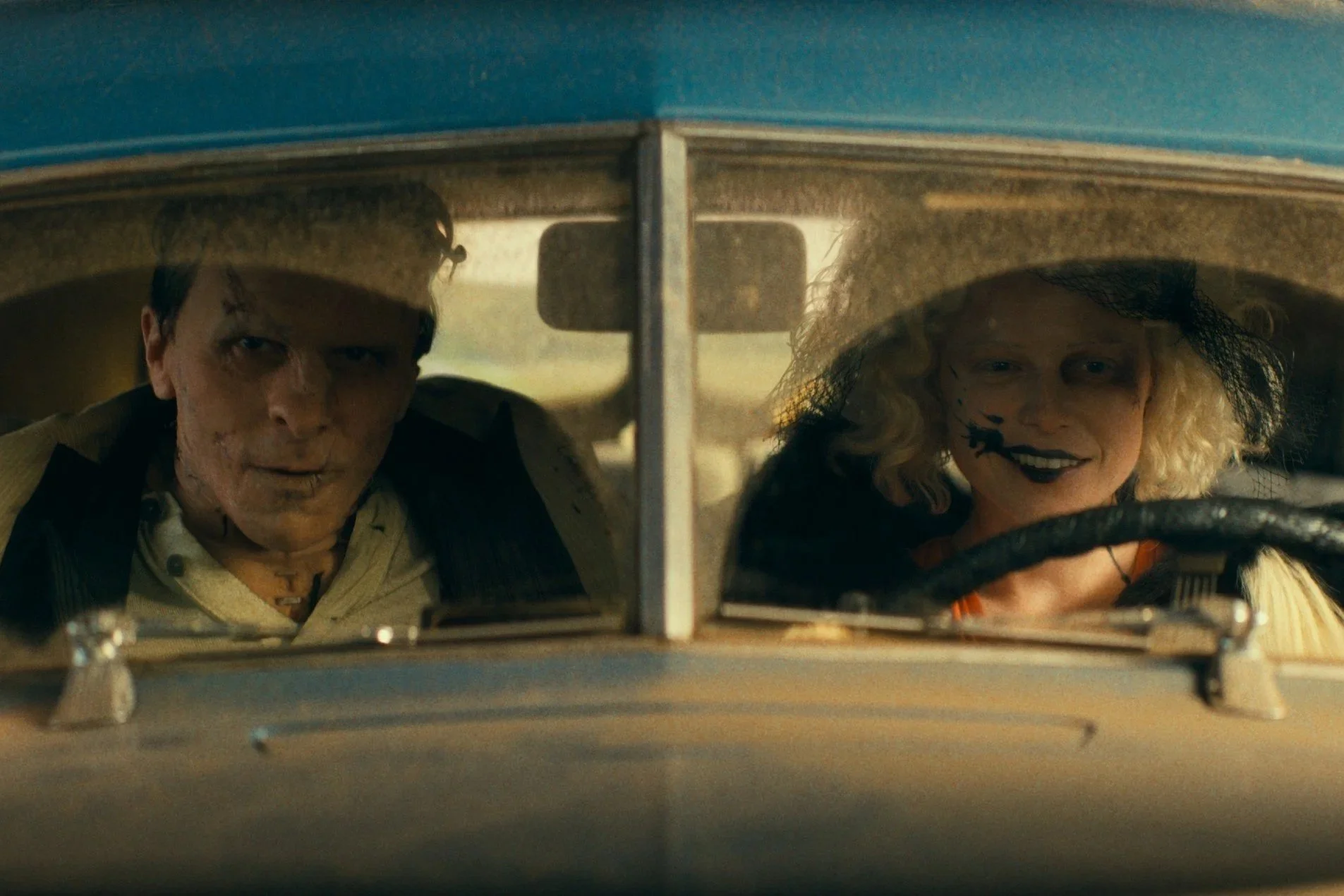
From the opening Mary Shelley possession sequence to the “Monster Mash” end-credits montage, The Bride! is a romantic, Gothic crime thriller that interrogates weighty themes of consent and female rage without ever sacrificing the wicked sense of fun driving this anarchic genre mash-up. Gyllenhaal’s second film, arriving after her 2021 psychological drama The Lost Daughter, begins as a course-correction. In Bride of Frankenstein (1935), Elsa Lanchester’s iconic title character appears on screen for mere minutes and doesn’t say a word. In the original novel, the bride only exists as an unfinished project. By re-centring the figure at the heart of her own narrative, Gyllenhaal has found a fresh angle for a story retold countless times. And that angle is a mouthful: the spirit of Mary Shelley, burdened with the need to tell a new story that she couldn’t have during her lifetime, half-possesses a young woman in 1930s Chicago named Ida, who is killed and then resuscitated by mad scientist Dr Euphronious (Annette Bening) to be a companion to Frankenstein’s monster, known here as Frank (Christian Bale).
© Warner Bros.
A recurring critique in the backlash to The Bride! can be boiled down to the word “mess”, and many will confuse its high energy and gleeful tonal blend for unintentional disorder when Gyllenhaal’s film is very openly a maximalist multi-genre pastiche grounded by the electric chemistry of Buckley and Bale. The pair blaze through a gorgeously-realised period crime thriller, courtesy of production designer Karen Murphy (Elvis) and DP Lawrence Sher (Joker), that juggles giddy romance and harrowing drama with dexterous skill. This is a film that features both joyous, goofy dance sequences and multiple scenes of sexual assault, scenes in which Gyllenhaal appropriately swaps the boisterousness of her loud genre flick for sensitive yet unflinching depictions of violence. As proven by test screenings and notes from Warner Bros., which led to some of these segments being edited, such scenes are bound to alienate certain audiences, and unfortunately, would likely go over better with many viewers as passing moments in a male-directed crime film than as thematically crucial sequences in an unyieldingly feminist film that many will mistake as “preachy” merely because of its subject matter.
© Warner Bros.
While the beating, revived heart of The Bride! is a story of female agency—an appropriate expansion of a narrative in which a woman is brought to life solely to be a wife—any misogynistic backlash is ironic because this is just as much a film about male loneliness. Not enough is being said of Gyllenhaal’s take on Frankenstein’s monster, making him an ostracised, sweet-natured cinephile who finds respite in a parasocial relationship with a dancing Old Hollywood star (Jake Gyllenhaal). Not to mention the director gets another gonzo performance out of Christian Bale, one of his best in years.
The Bride! has been described as Poor Things redux or, most regrettably, a “wokified” Joker: Folie à Deux. But this horror love story is really a Gothic reanimation of Wild at Heart, while also proving the most explicitly feminist major studio movie since Barbie. Like one of Frank and The Bride’s near-miss getaways, it feels close to a miracle that this film made it out of the studio system.