Mārama Review: Māori Gothic Horror is a Visceral Anti-Colonial Revenge Tale
A Māori woman travels to a Yorkshire manor to learn about her ancestors in Taratoa Stappard’s first feature
by Alex Kaan 17 April 2026
Watermelon Pictures / Dark Sky Films
While horror cinema has historically been fruitful ground to explore stories of Otherness, the genre still has plenty of oversights. That’s why, when a film like Mārama comes along, there’s an electric sense of inevitability seeing that framework wielded to tell a new story—especially one that directly and unflinchingly uses the genre to grapple with real-life atrocities.
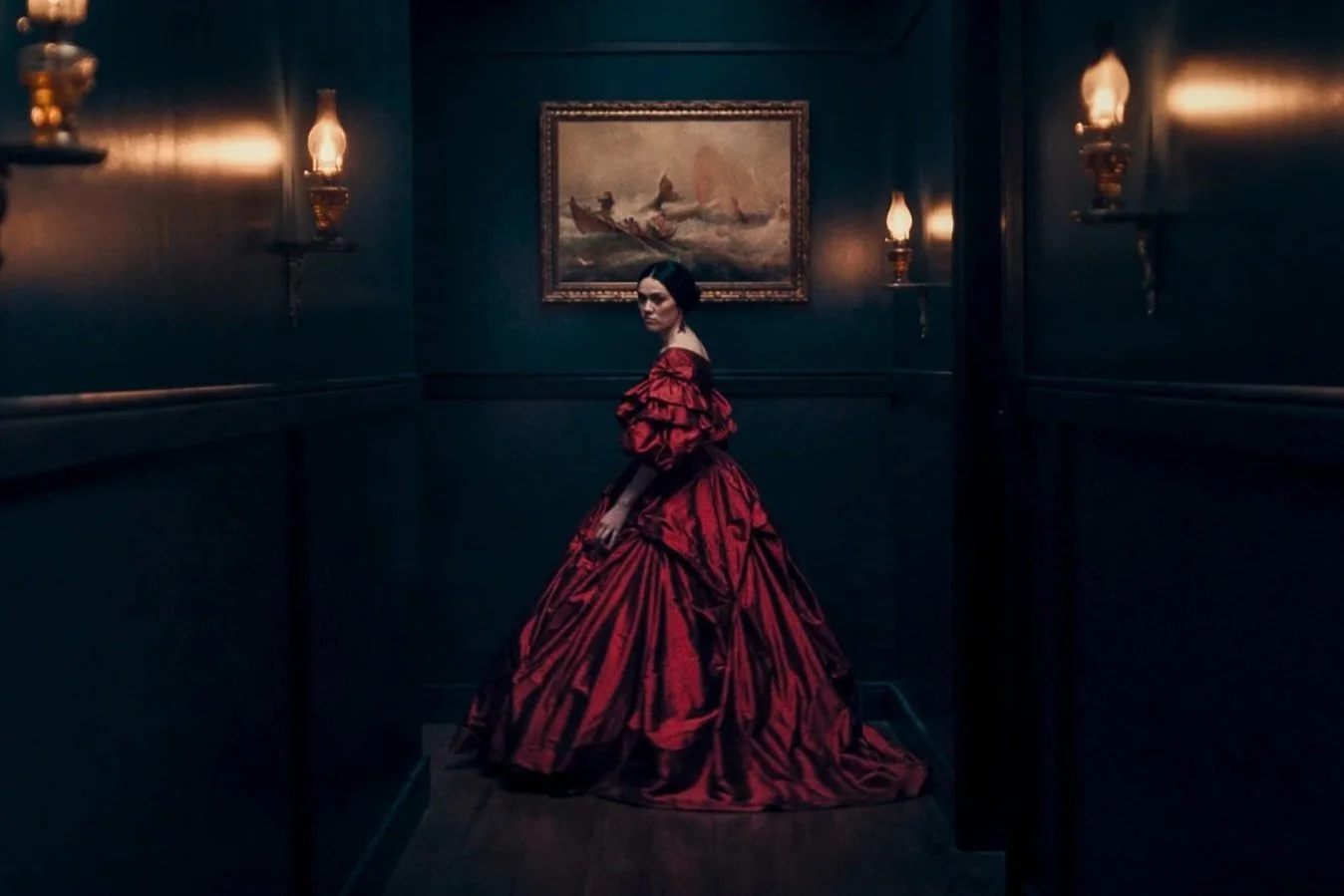
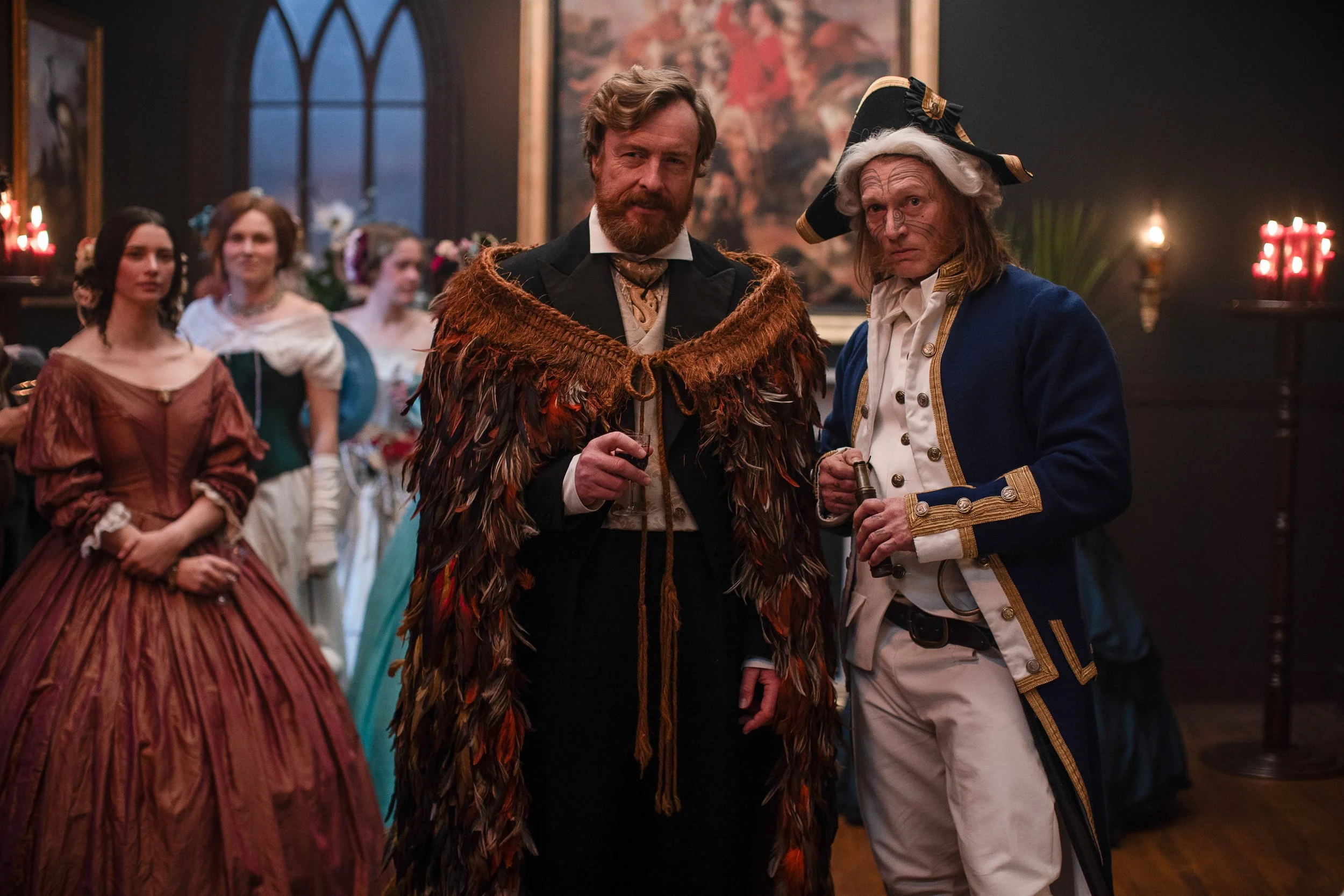
“To move into our future we must understand our past”, reads a title card at the start of Mārama, the debut feature from writer-director Taratoa Stappard, a Māori filmmaker raised in England. Understanding her past is precisely what our titular protagonist (Ariāna Osborne) is determined to do. In typical Gothic fashion, Mārama, going by the Anglicised name of Mary Stephens, has been summoned to a vast estate in Yorkshire by a man named Thomas Boyd, who claims to have information on the parents that she never knew. Yet when she arrives in England after the long journey from New Zealand, Mārama is met instead by another man, the wealthy Nathaniel Cole (Toby Stephens), who insists that she stay and teach his granddaughter Ann (Evelyn Towersey) as a governess—pointing out that it would be difficult for a woman of her ethnicity to find another position. Mārama accepts, but Cole won’t tell her about where Boyd is. As the extent of his fascination with Māori culture grows clearer, and Mārama is plagued by disturbing visions, it becomes evident that Cole is hiding a far greater secret.
Watermelon Pictures / Dark Sky Films
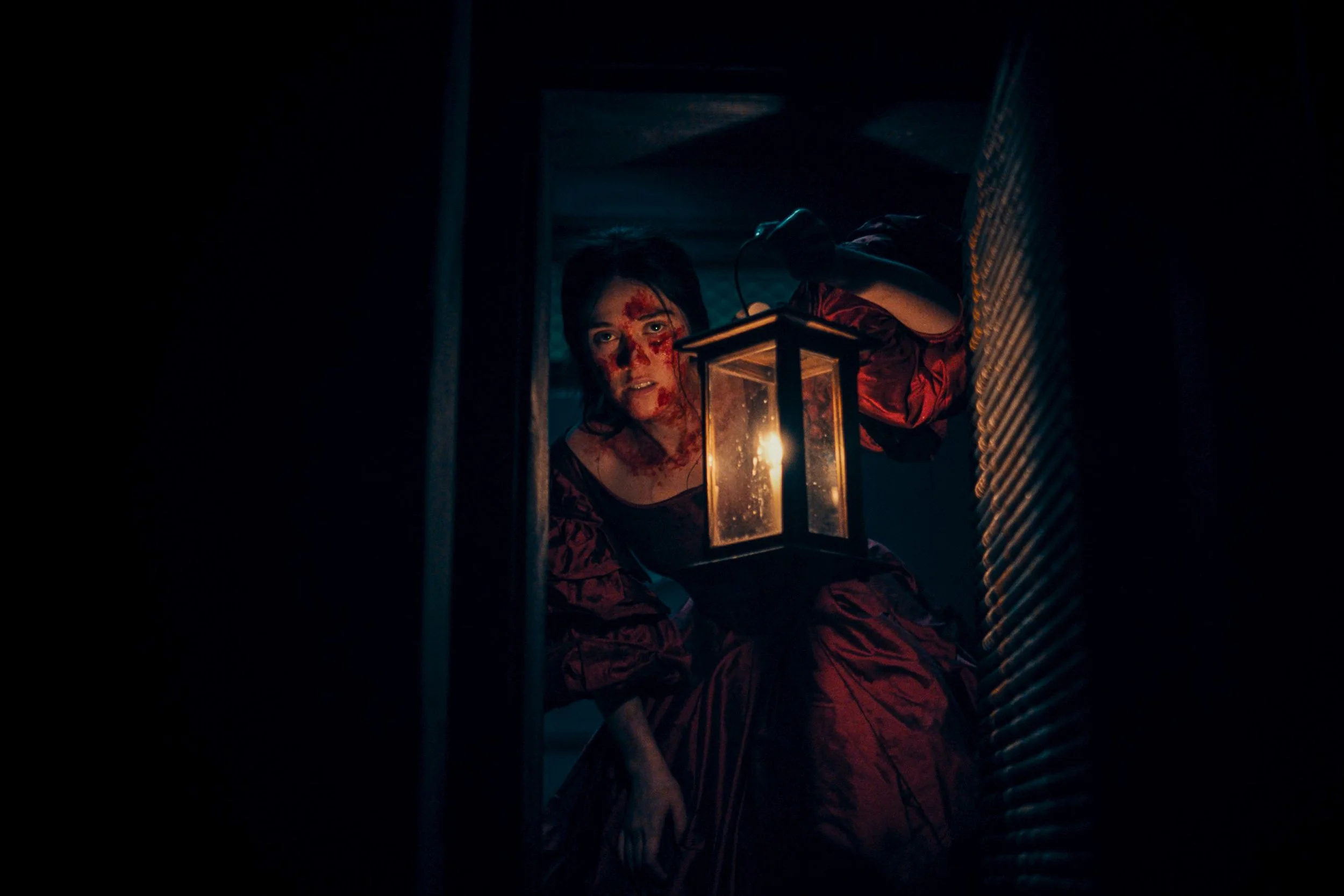
A moody ghost story unfolding in an opulent Victorian estate, Mārama is a stirring, rage-fuelled blend of indigenous horror and Gothic aesthetics that destabilises the Eurocentric subgenre to revelatory effect. Like Get Out before it, this is a fierce work of social horror that mines its most unsettling scares in the socially accepted fetishisation of another culture. The ghosts and gore are plenty frightful, but writer-director Taratoa Stappard finds just as much dread in a simple conversation littered with microaggressions. At first, when Cole reveals that he can speak the Māori language, it can be read as a welcoming gesture. But soon, every syllable he utters in Mārama’s tongue becomes more and more menacing.
Watermelon Pictures / Dark Sky Films
As the title character, Ariāna Osborne is an arresting lead. Surrounded by an affluent English family obsessed with her people, she plays the discomfort of Mārama’s situation perfectly, a portrait of simmering anger that finally boils over in a standout set piece when she performs a ceremonial haka dance. Stephens and Towersey equally impress, while Umi Myers gives a tender performance as Cole’s servant, and Erroll Shand shines with his dynamic turn as the boorish Uncle Jack.
Pairing all the atmospheric pleasures of Gothic horror with a forceful, solemn look at colonial history, Mārama is an exciting debut for Taratoa Stappard—and hopefully a sign of more to come.
Mārama is now playing in US theatres.