Cape Fear Review: Javier Bardem is Superb in Brutal Southern Gothic Fever Dream
Remaking the 1962 and 1991 films, the Apple TV miniseries stars Amy Adams and Patrick Wilson as a married lawyer couple stalked by a vengeful ex-con (Bardem)
by Alex Kaan 3 June 2026
Apple TV
In the age of endless reboots and (often mindlessly) recycled IP, there’s something about a Cape Fear remake that feels inoffensive. Martin Scorsese’s 1991 hit with Robert De Niro, Nick Nolte, and Jessica Lange was already a reimagining of the 1962 film with Robert Mitchum, Gregory Peck, and Polly Bergen, which, in turn, was adapted from John MacDonald’s 1957 book The Executioners. While the core story remains the same — a vicious ex-convict enacts revenge on the family of the lawyer who helped imprison him — each version has made key changes that uniquely engage with the central themes of justice and retribution, rather than serve as a facile copy.
And Apple TV’s new miniseries, developed by Nick Antosca (Brand New Cherry Flavor) alongside executive producers Martin Scorsese and Steven Spielberg, is no exception. A remake that more than justifies its existence, Cape Fear updates the morality tale of an all-American family in peril for the 2020s and delivers an excruciatingly tense, hyper-stylised psychological horror series drenched in a lush Southern Gothic atmosphere.
Apple TV
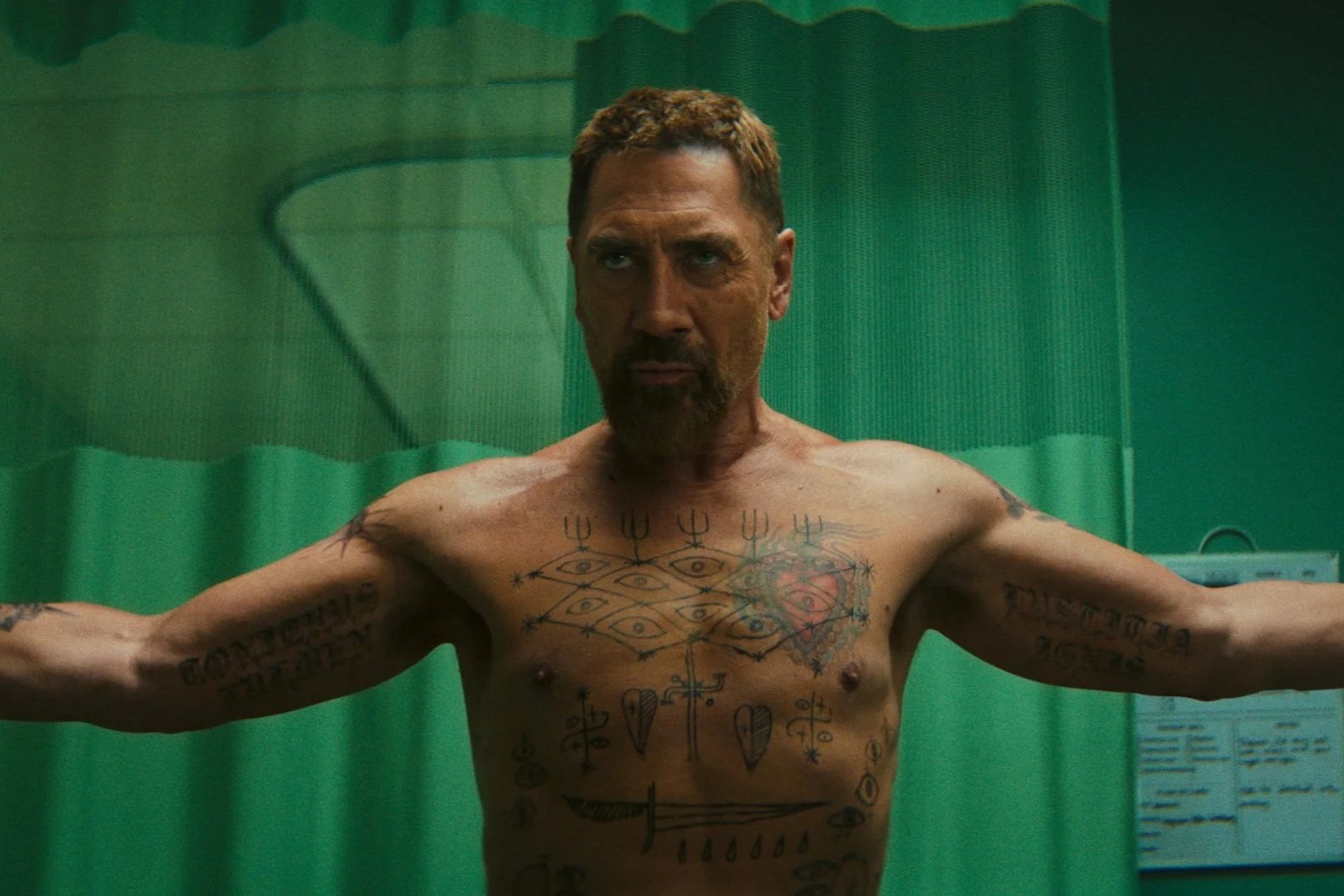
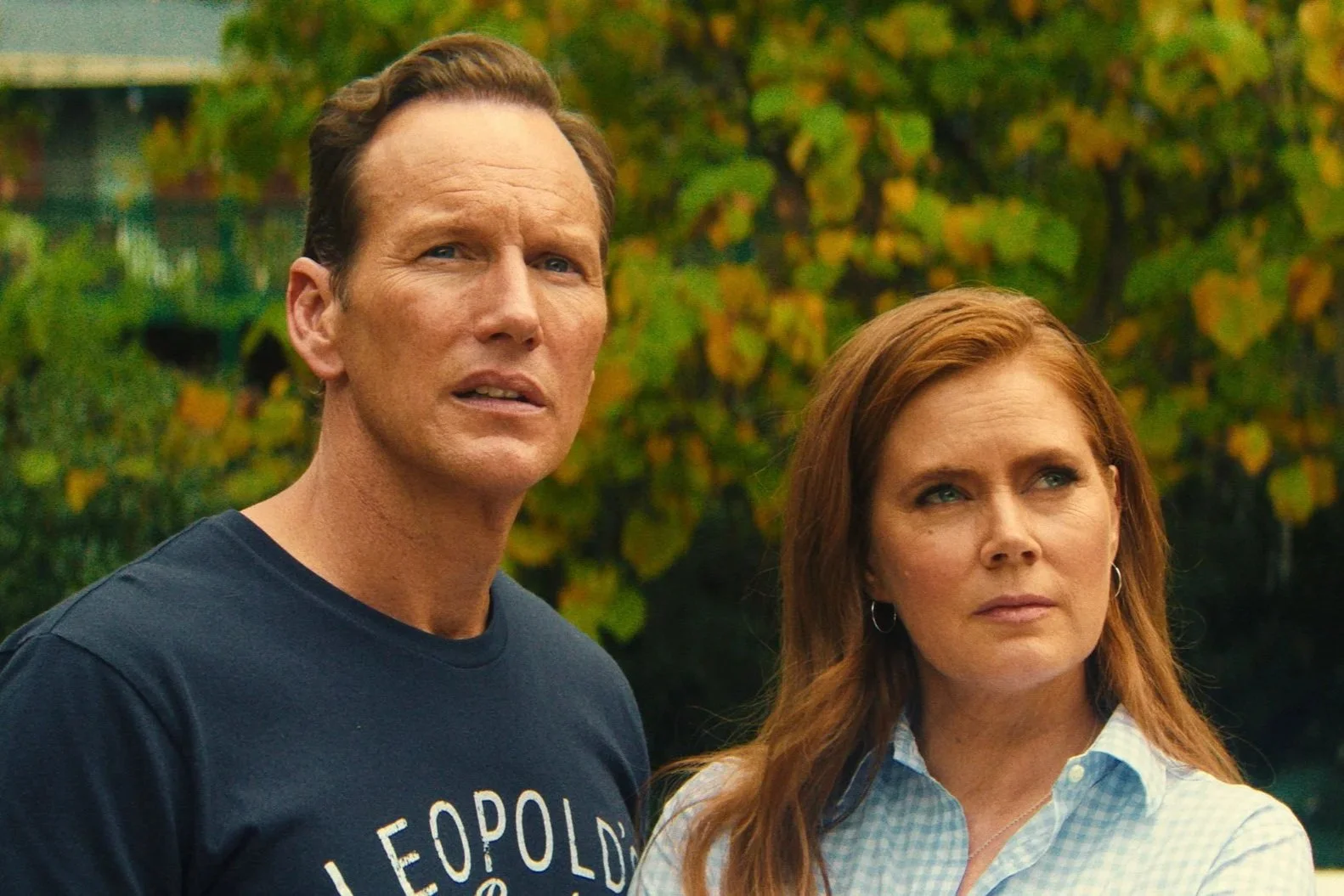
Lawyer power couple Anna (Amy Adams) and Tom Bowden (Patrick Wilson) are living the American dream, raising their two teenagers, Zack (Joe Anders) and Natalie (Lily Collias), in an idyllic Savannah home with a backyard and a pool. But the pair are unnerved to learn that Max Cady (Javier Bardem), Anna’s former client who was sentenced to life in prison for murder, has been released after 17 years when new evidence comes to light. As the enigmatic Max inserts himself into their life in increasingly unsettling ways, Anna and Tom begin to worry about the safety of their family — and that of a long-buried secret they decided to keep years ago.
A delicious slice of domestic psychological horror unfolding in a stormy Georgia setting, Cape Fear blends the baroque cinematic flair of Scorsese’s 1991 version with the pulpy charm of American Horror Story’s first season, to the point that one wonders how Jessica Lange hasn’t been conjured on screen. The rich visual language — defined by frenetic pans, a vibrant colour scheme, and inverted images lifted straight from the Scorsese film — looks like nothing else on TV and pairs brilliantly with the high drama of a seemingly perfect family unravelling.

Apple TV
While Robert De Niro’s unforgettable, camp-inflected turn as the diabolical ex-convict Max Cady is a hard act to follow, Javier Bardem is unhinged perfection as the iconic villain, playing a more grounded, humanised version of the character who remains just as magnetic and terrifying. Amy Adams and Patrick Wilson are likewise perfectly cast as the couple in Cady’s crosshairs, and the decision to make both of them responsible for his imprisonment complicates the gender dynamics of his revenge in a way that gives Adams’ character far more agency. In fact, it is she, not Wilson, who is directly playing the Nick Nolte/Gregory Peck figure.
Along with the gender-swapping, Cape Fear takes advantage of the 35-year-gap from the Scorsese film and makes good use of timely topics and technological updates, touching on home security systems, invasive drones, non-profits rectifying errors in the justice system, image-based abuse, catfishing, and much more. However, with several allusions to the 1991 film particularly, the series is equally rooted in the past. But rather than serving as cheap nostalgia bait, Cape Fear’s overt homages to previous iterations of the story are seamlessly woven into the fabric of the miniseries, from re-using Bernard Hermann’s thundering original score (again) to reviving De Niro’s infamously awful theatre etiquette.
A masterful thriller series that reinvigorates its source material with style, Cape Fear is a wild, nerve-wracking ride driven by the stellar performances of its three leads.