Aleshea Harris on the Power of Black Feminine Rage in Her Grindhouse-Inspired Revenge Thriller Is God Is
The playwright-turned-director breaks down her gory genre flick about twin sisters (Kara Young and Mallori Johnson) on a righteous quest for retribution. Janelle Monaé, Sterling K. Brown, Vivica A. Fox, and Erika Alexander also star.
by Payton McCarty-Simas 14 May 2026
Amazon MGM/Orion Pictures
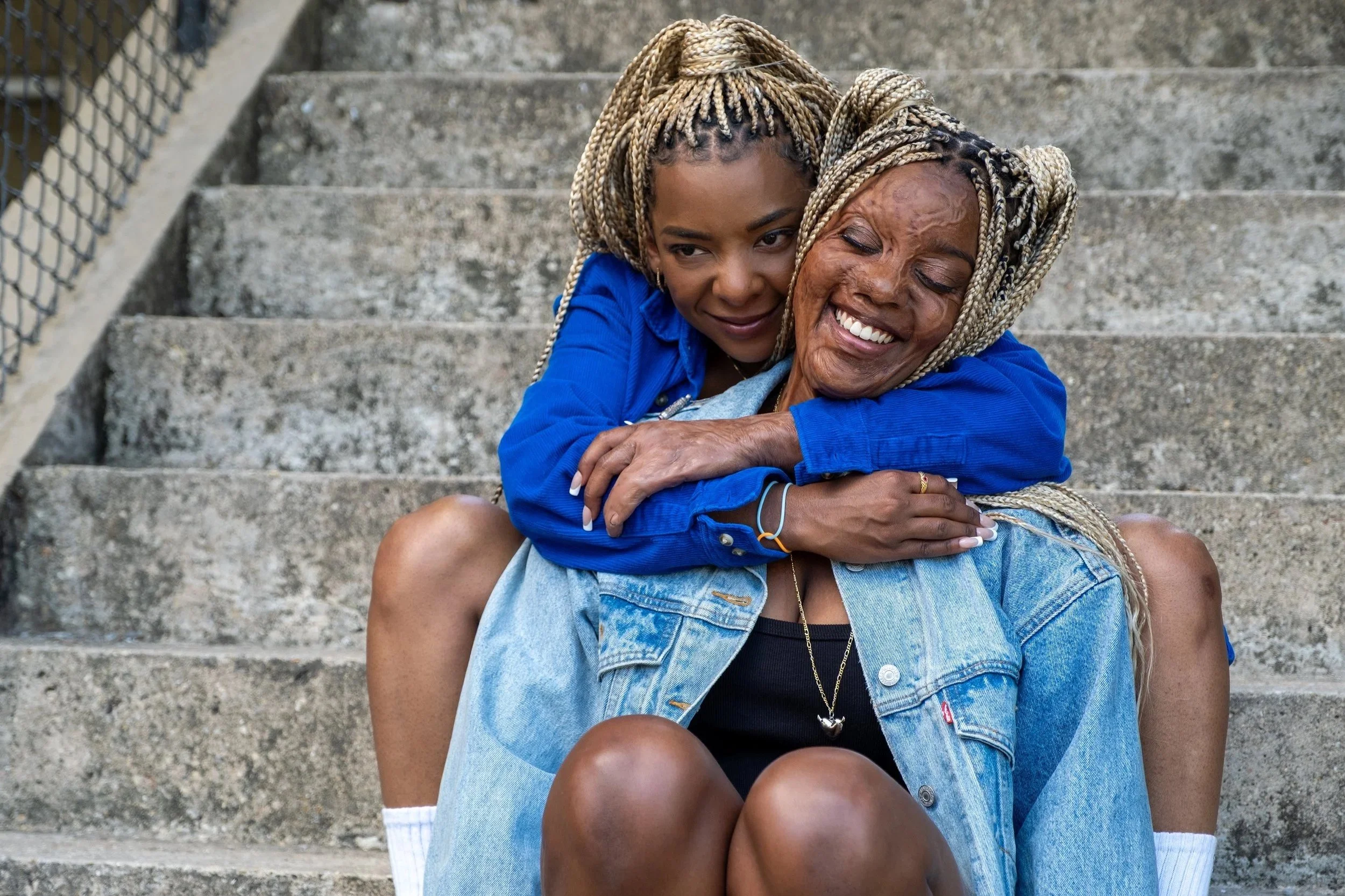
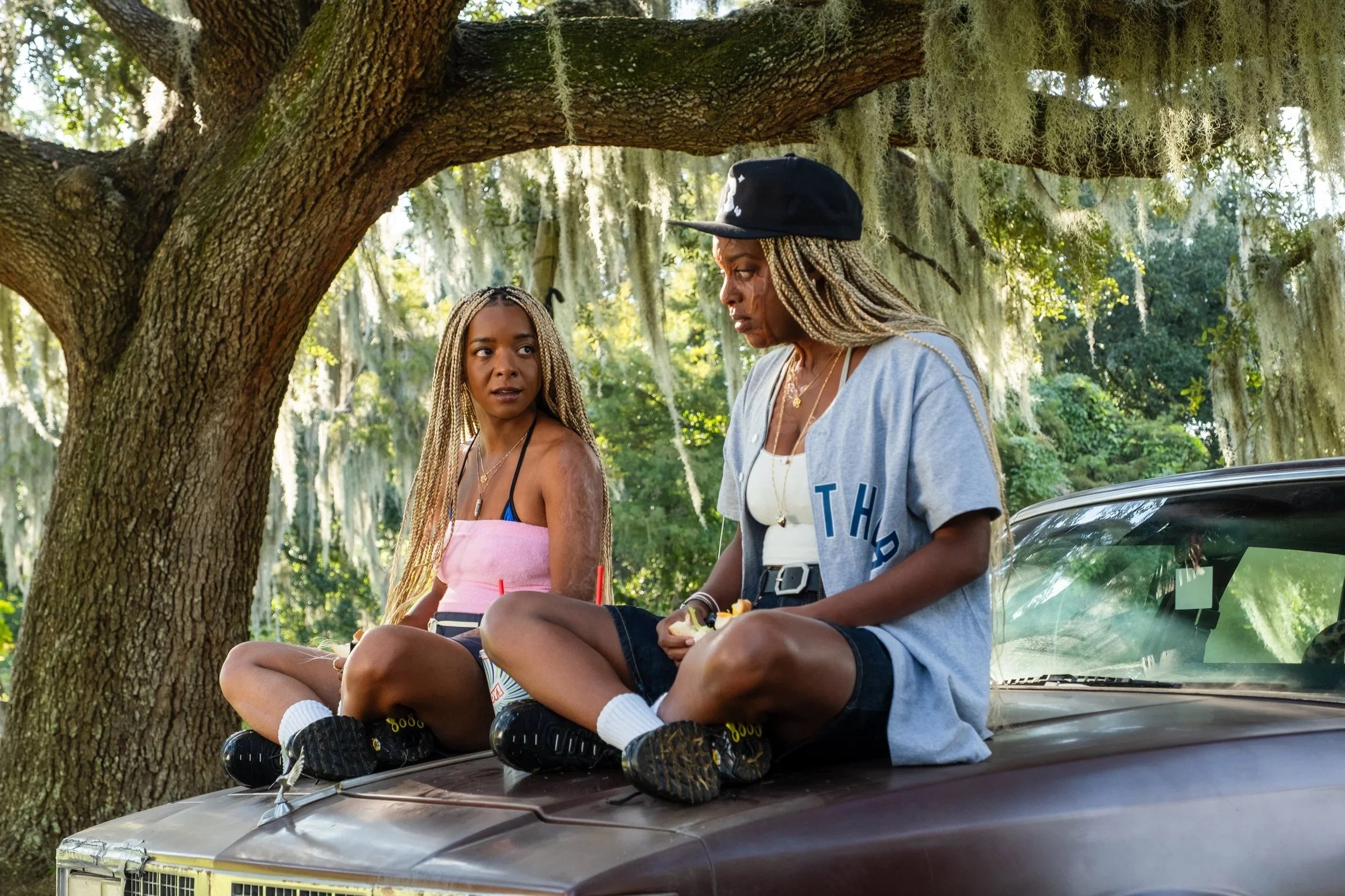
Is God Is, Aleshea Harris’ adaptation of her breakout 2018 play of the same name, is an ambitious, genre-blending revenge thriller that explores profound intergenerational violence with breezy wit and a take-no-shit attitude. When a set of twins played by Kara Young and Mallori Johnson reconnect with their estranged mother (Vivica A. Fox), they embark on a Southern road trip to find their daddy (Sterling K. Brown)––and kill him for what he did to them all. Produced by Tessa Thompson, the dynamic ensemble cast also includes Janelle Monaé, Erika Alexander, Mykelti Williamson, and Josiah Cross.
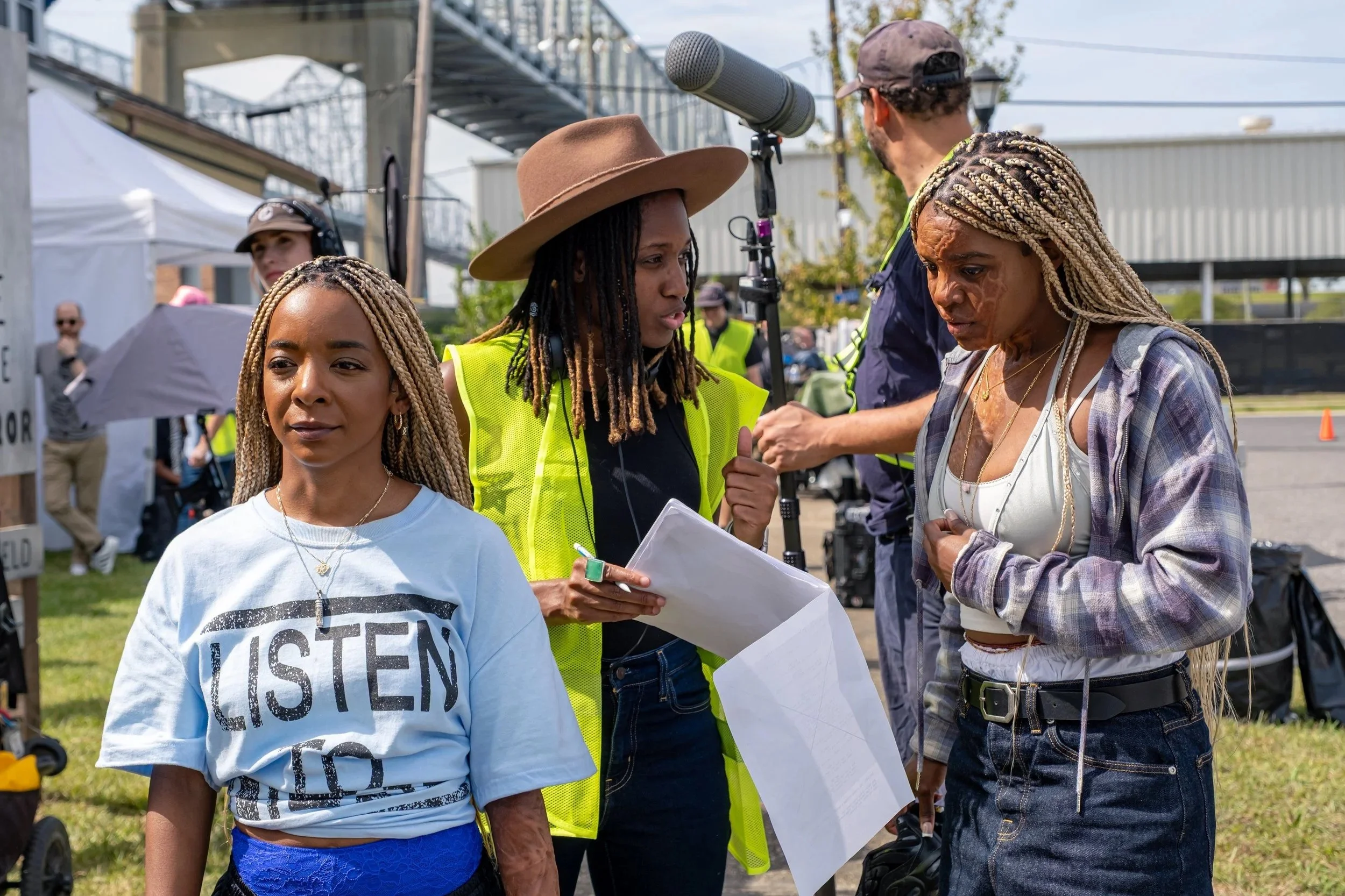
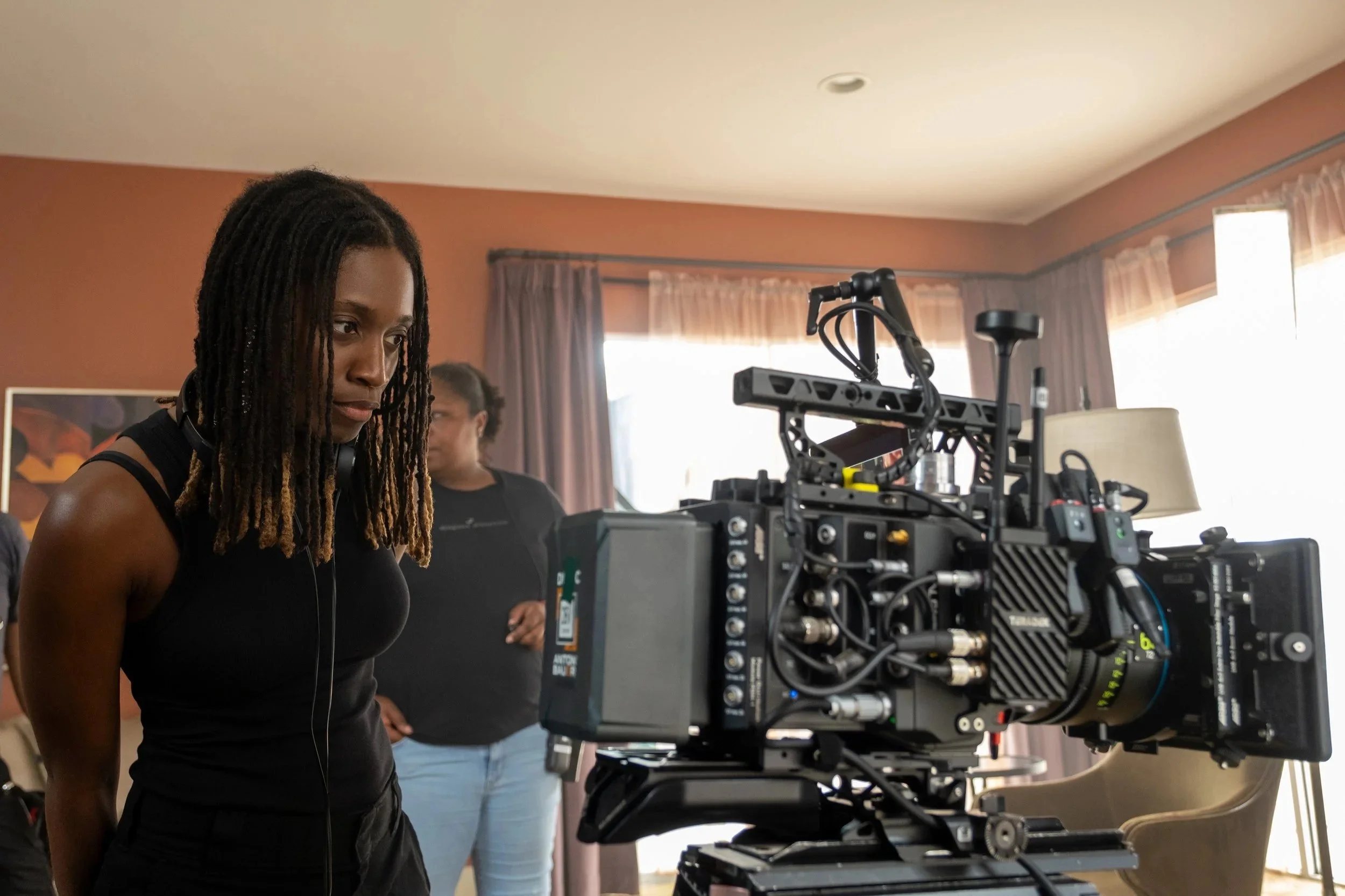
To mark the film’s release, Phantasmag met the writer-director over Zoom to talk about the power of words and how to find the right balance between rage and joy.
Amazon MGM/Orion Pictures
Phantasmag: Something that struck me immediately about this movie as unique was the way you play with words and language. We're adapting from a play, so language is of course going to be especially important in terms of the cadence and flow here, but the way you did it is really striking. Can you talk to me about the way you tried to incorporate text as both a sonic element and a visual component?
Aleshea Harris: I’m a total nerd about language. If you've seen the play on the page, I'm very specific about language and its performance. I was telling someone it's hard for me to start a play because I need to know its mother tongue first. I'm trying to be inventive, right? I don't want it to sound regular, whatever that means. It can't be normative; there's a kind of poetry. There's a great playwright who I love, Suzan-Lori Parks, and in one of her essays, she says, ‘Words are spells in our mouths.’ I think I'm weaving a very intricate spell with my language because the word impacts the actor's body, right? It does something to their corporeal space. Also, I'm really trying to honour poetic Black Southernism and speech, but it also isn't realistic to that either. It has my own flair. It's really important to me that the language be right, and that people don't say ‘gonna’ instead of ‘gon’, for example. I'm that particular. I don't like people messing with the language–– I think it changes its sensibility.
P: So, no improv on set?
AH: Not in this project for sure.
P: You have the text on the screen too for the twin telepathy, and even just the way that the title comes up is so considered–– the way it moves slowly without ever fully stopping on screen. That kind of visual play can be one of the real differences between film and theatre. Can you tell me more about that element of the adaptation?
AH: Well, the reason that we have those subtitles that are sort of adventurous in how they’re experienced is that I wanted to find a way to bring that typography from the play into the movie. It felt very organic to the story and to who these women are to have what I call their ‘twin-tuition’ play out this way. It's a language they have that's all their own, silent to the rest of us, but it's something that pings through their brains. I let the audience in by way of this quirky language on the screen, which gives us a sense of the world and of these twins.
Amazon MGM/Orion Pictures
P: I'd love to hear about the relationship between femininity, spirituality and rage in the way you wrote this story.
AH: Oh, my gosh, femininity, spirituality and rage… I think there’s obviously such a strong connection to these themes inside the movie. I'm definitely giving space to a particularly feminine rage, Black feminine rage, in this movie. I’m conscious of the ways that the culture pathologises Black women's rage–– and women's rage, period–– and I'm trying to really step on that here. I think that we gain spiritual power through our embrace of rage, through our embrace of the full measure of our humanity.
It feels like a big question, but I’m thinking about women and the spirit. This isn't a religious movie by any means, but there is a kind of spiritual duality inside of it––a concern for the spirit. All of my stories are like organisms with all these beings that know their own sense of the world inside. There are a lot of people having ‘knowings’ in this movie. I don't want to give some of them away, but people know something's going on with someone else’s body, or they know there’s someone under a table without looking. Then there's a more traditional spirituality in terms of Christian mythology and iconography.
P: What do you think the place of rage is in spirituality?
AH: I think that rage is useful, but I do think that it can be destructive in the same way that fire can be. It’s so nerdy to say that about this movie, but it can also be quite generative. Rage wrote this story, which has changed my life, so I think of it as such a tremendous force. There are things that I have done through anger I couldn't have done without it, right? So that’s useful for me and for other people. There's a fight inside of it. When I think about my spirituality and what I honour in terms of my ideas of God, I think about being an intentional and purposeful person who tries to make life better for other people. Rage figures in of that, and I carry that inside the DNA of this story.
Amazon MGM/Orion Pictures
P: Can we talk about joy in relation to these things? There’s such a nice tonal balance here between all this rage and real moments of joy. It’s a funny movie!
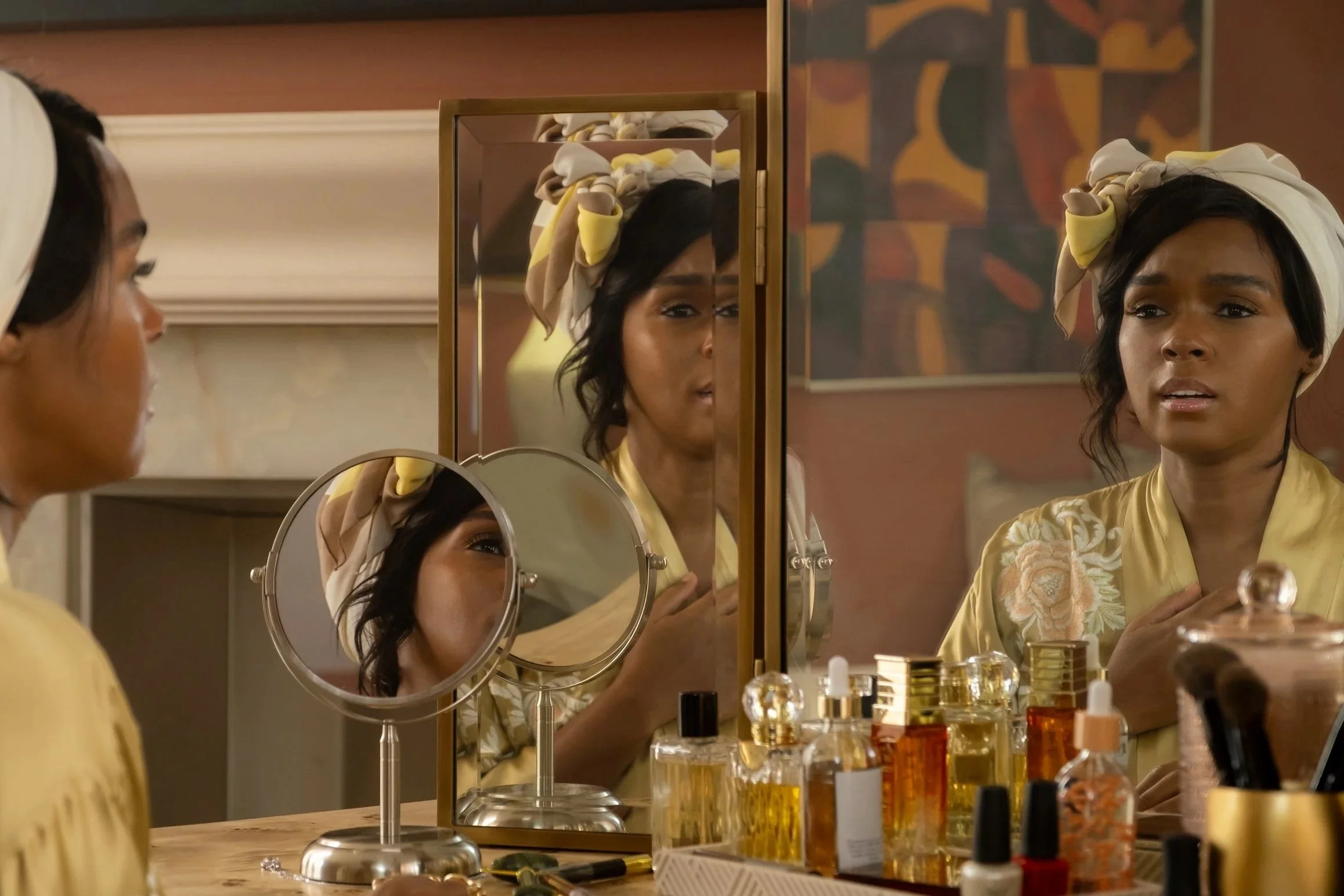
AH: I remember having a reading of the play once, and someone said, ‘Aleshea, what about joy?’ And I was like, “There's joy all up in this!” There's joy in my having made it, right? There's joy in inviting people into a kind of narrative that maybe we don't typically see. There's joy in catharsis. Joy is abundant. There are a lot of people enjoying one another in this movie––they don't know they're in a tragedy, right? So they're moving through their circumstances and having fun along the way, singing along to Prince in the car. I’m glad you felt that balance is there. It's critical to the success of this story. There's a way the tone of this could have been horrendous [laughs], just horrendous. And I hope that even though it is heavy, there is light.
Amazon MGM/Orion Pictures
P: We’ve been talking about language—music is another big element of this movie. The soundscape is really beautiful.
AH: Our composers were Joe Shirley and Moses Sumney, and they did an incredible job of finding the specific sound for the movie––something that was as unique as the movie. They were really supportive of it and helped deepen the story, and not be distracting. It was beautiful. Moses' voice coming in feels so right for the world we built, that falsetto that he can do. He's such a skilled singer and musician. Joseph as well. They worked so hard to build out a soundscape that held hands with the other sounds that happen inside the film.
Like I said, sound is very, very important to me. I wanted to make sure that we could build suspense appropriately, that we could do things that, again, helped to keep us three clicks to the left of centre. I remember talking to the sound designer once, and he had this idea to have the sound of a horse whenever the women start their car––the idea that their car is like their steed, right? I don't think we actually did that, but I think it was a cool way of thinking about sound. We engage sound a lot so that we're not showing some of this violence against women's bodies, depicting it dead on. You engage other senses to do that, and it can still have impact. We had a good time building out the soundscape.
Is God Is is playing in US theatres this Friday.