How Kevin S. Parker Captured the Atmospheric Soundscape of Horror Comedy Widow’s Bay
The production sound mixer discusses his Emmy-nominated work on the series, the value of sound in the horror genre, and how that clown scene terrified the crew as much as the audience
by Lana Thorn 2 August 2026
Apple TV
As genre film fans will note, sound is horror’s secret weapon. From a high-pitched scream caught amidst a moody scene of thunder and rain to the eerie textures of nearly-dead silence, a good soundscape is crucial to any film or TV show’s ability to frighten its audience, and Widow’s Bay is no exception.
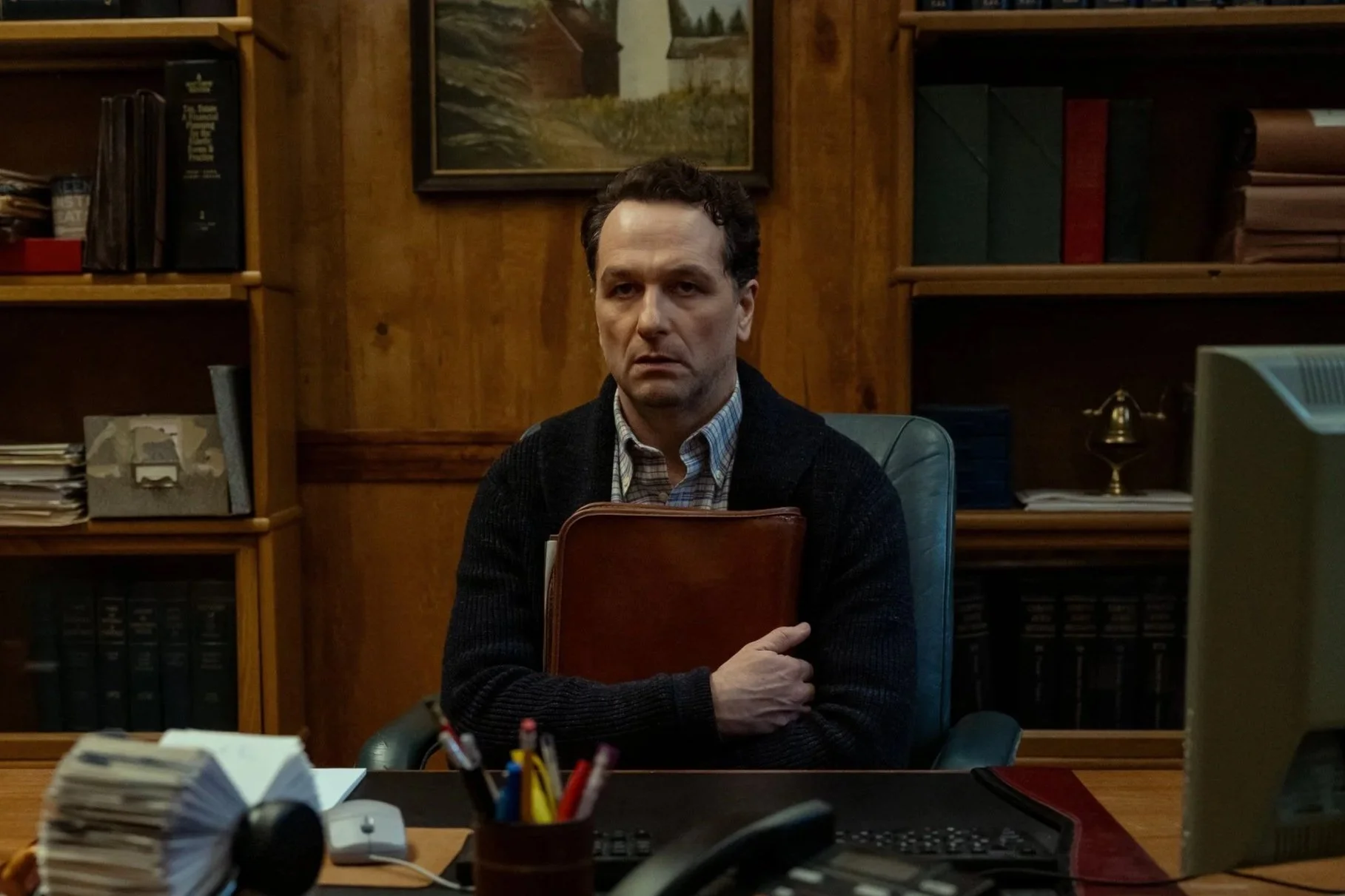
Charming critics and audiences alike, the hit Apple TV series follows an anxious mayor (Matthew Rhys) with an ill-fated objective: to turn his comically cursed New England island town into the next tourist hot spot. Praised for its rare, seamless blend of nail-biting horror and laugh-out-loud comedy, the show has already been renewed for a second season and earned a formidable 19 Emmy nominations, including one for Kevin S. Parker and his colleagues in the Outstanding Sound Mixing category.
A production sound mixer with 30 years of experience, working on projects like The Drama, The Perfect Couple, and Castle Rock, Parker was on set for every scene of the series, recording clean sound to ensure the on-set performances were captured in their entirety. Calling Phantasmag from his home in New England, he reflects on the importance of his job in dialogue-driven series like Widow’s Bay, the misconception that his work is all fixed or re-recorded in post-production, and his excitement at returning for Season 2.
Phantasmag: Can you tell me about your background and how you ended up working as a production sound mixer?
Kevin S. Parker: I've been doing sound for picture essentially since I was about 19 or 20 years old. I live in a small town in New England, a very spooky New England small town just as they’re usually presented. And there was a very good high-end recording studio in my town, and I used to go there and borrow equipment for DJing dances and whatnot. That kind of turned me on to sound as a career, thinking that it was something professional that respectable people made money with. But I’m not much of a musician, and I just had the natural inclination that to be a good music engineer you should at least be a competent musician. Instead, I was interested in the visuals: I fell into photography and video. So I started freelancing — this was in the 80s — and I gravitated towards that aspect of mixing sound and visuals together. I've always been attracted to the spoken word and storytelling, so [production sound mixing] fit very well. I did a lot of news and documentary, and then a ton of live television. Then I took some time off to become a sound designer at a professional theatre and worked my way into narrative film.
Apple TV
P: How was it working on news channels?
KSP: Very fast-paced. Everything changes at a moment's notice, and there are only a few people. It's yourself, a camera operator, a reporter... I was working for CNN, Fox, and all those folks. So it's much different than the film world, which is planned out into a big machine that moves slowly, whereas news is under-the-gun stressful. I got out of it because I worked a series of events that were a little bit too real. I was working for ABC when EgyptAir 990 went down, and I was one of the first people there. It was just carnage. I was one of the first people on location when JFK Jr’s plane went down because I happened to be on vacation in Cape Cod. I ended up at Ground Zero on September 11th for 60 Minutes Australia, so I worked for them for about 10 or 11 days down in New York. After that, I came back and decided I was pretty much done with news. That's when I started focusing on more entertainment-based stuff, and that slowly progressed into more feature work and narrative work.
P: How did you get attached to Widow's Bay, and what attracted you to the project?
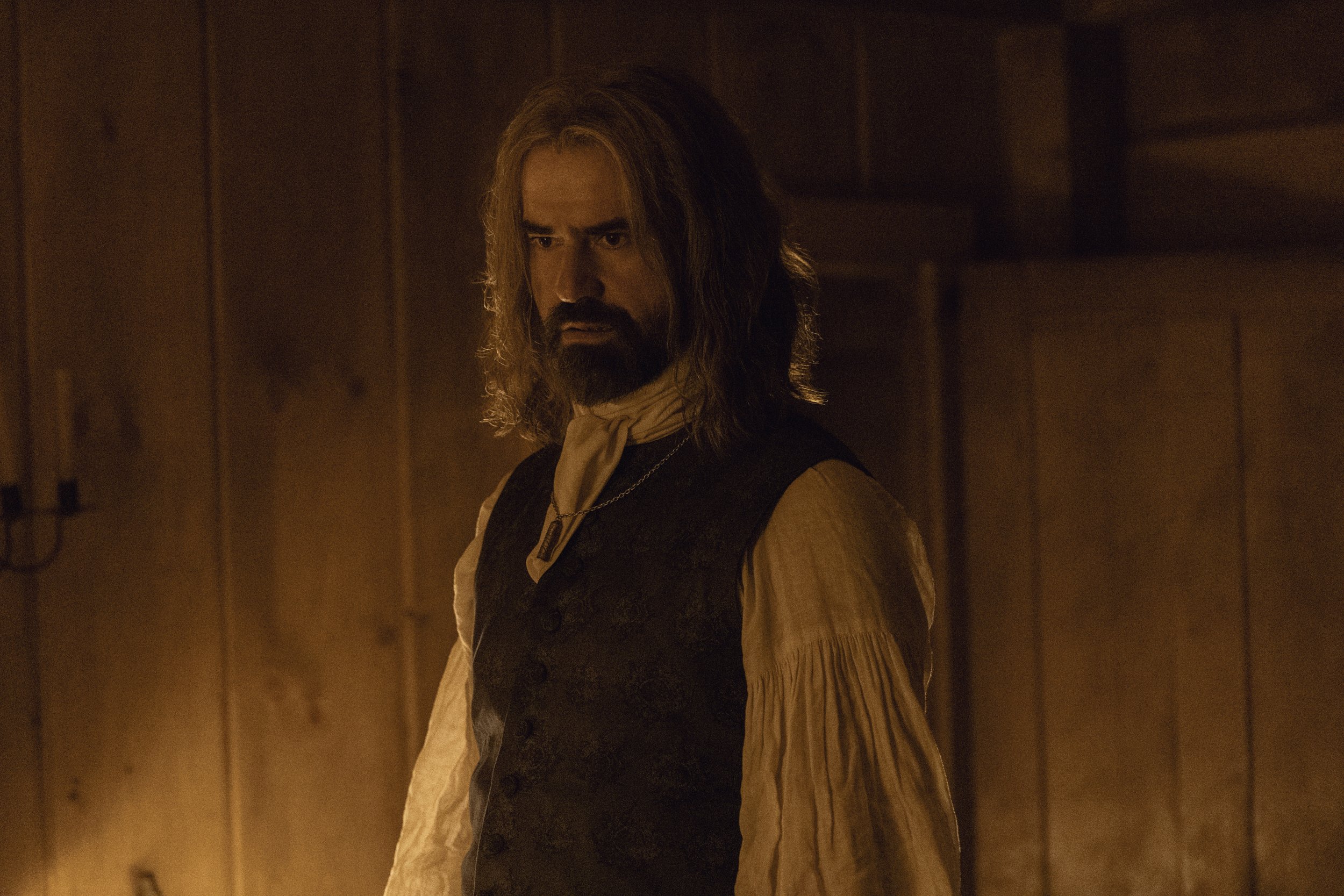
KSP: I got a cold call from a producer I had never met before, and she had gotten my name from a TV show on HBO I had worked on called Julia. So a producer called me and just said, ‘Hey, I got your name from so-and-so from Julia, and we're bringing an Apple TV show into town and are wondering if you might be available. It’s a half-hour comedy horror.’ Which immediately is weird because there’s not a lot of shows in that category — immediately I thought of the BBC version of Ghosts because I had just binged that with my wife. Her pitch was it’s from the perspective of the major from Jaws except it’s a haunted island and he’s trying to sell it as a tourist destination. I originally thought it would be something lighter like Ghosts, but I started getting the scripts and going through them, and I was like, Wow, this isn’t what I was expecting at all. The first thing we did was what’s called a pre-shoot day to make sure everything was technically working, and the first shot was the man in a trench coat by the side of the pond that Loftis sees on the TV when he goes to the inn. I remember we shot it and they had him walk off into the distance and just walk and walk. We cut, and I shared a look with a crew member, and we were both like, Wow, this is gonna be funky. As we kept shooting it, I realised it was something unique.
Apple TV
P: How was it working with showrunner Katie Dippold and director Hiro Murai?
KSP: They're absolutely fantastic. You'll never meet a nicer group of people to work with. Katie and Hiro were obviously on the same page. Everything was very well thought out. From my perspective, everything was in those scripts. Because oftentimes on television shows, we'll get scripts, and sometimes they're just an outline, or at least always subject to change. I don’t remember there being many revisions at all, which is relieving because it allows you to focus on your job. Christian [Sprenger], the DP, Katie, and Hiro were all so dialled in from day one, and it says a lot about the success of the show because it’s such a balancing act [between horror and comedy]. It felt like there was very little room for error, and they pulled it off, but it wasn’t luck.
P: As a production sound mixer, are directors and showrunners typically involved in your process? Did you get notes from Katie and Hiro?
KSP: I didn’t, because they seemed to trust me. We had editors on set, so they were immediately seeing dailies and hearing things, and within a few days, I got feedback from the editors saying that the tracks they're getting were fantastic and everything was very clean. So we started off on a good foot, and to be honest with you, a good production sound mixer should be a little invisible. They should just be able to hear that dialogue, and it was essential for me that the dialogue and the performances were captured as cleanly as possible on the day because they were very important to the balance of that script. I treated it like any heavy drama, which is what I tend to gravitate towards. I don't lean towards big special effects movies where they're just gonna replace everything I do anyway. If I’m working, I want my dialogue to make it. And it was very rewarding because it was about capturing these amazing performances, and not just about the scares. What's so appealing about this show is that it has a lot of really meaty dialogue that's important, with good performances around it.
So my job, in essence, is to step back and allow everybody to witness and capture the performances with as little interjection as possible, but there were a couple things I had to bring to their attention. For example, there was a commuter train around where we shoot, and you can hear it for miles because when it’s flat land in the summertime at night, sound really carries. So I had to mention it to somebody because I would guess there’d be no train on the island, and they were like, ‘You’re absolutely right.’
Apple TV
P: What was your relationship to the horror genre like before working on the show? I know you've worked on quite a few horror projects as well.
KSP: I think that because I'm mostly a New England-based production sound mixer. We tend to get a lot of horror movies just because of the environment we're in. I did an entire series called Castle Rock, and Stephen King is from our region. A lot of his stuff is set here, so I think that set the tone for creepy New England horror. So I've done my fair share of horror movies over the years: some of them good, some not so good. But they’re fun.
P: Do you approach the sound mixing in a horror project any differently to another genre?
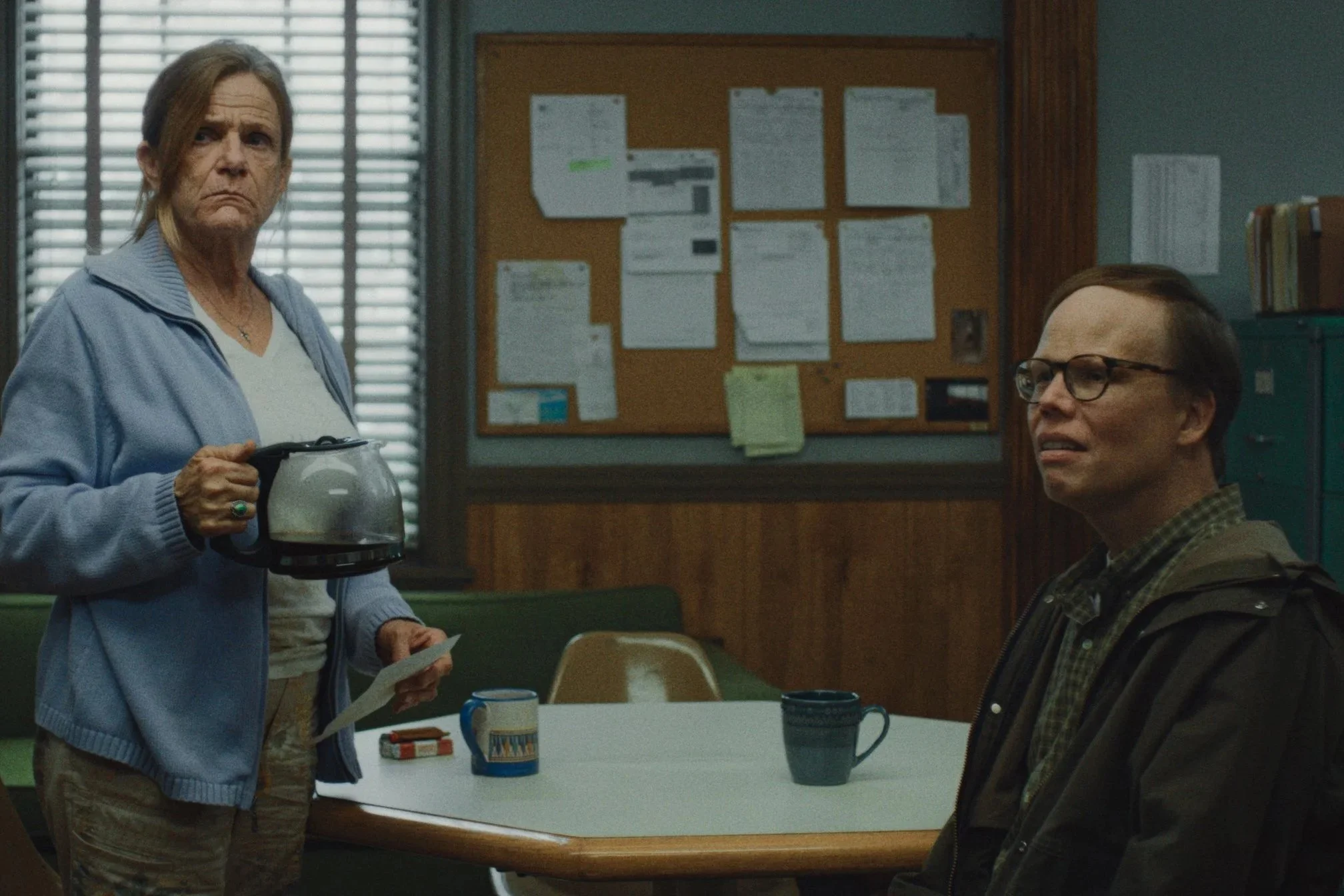
KSP: I will find myself trying to capture more sounds of sticks breaking or heavy breathing. If I was doing an action movie with a chase and a shootout after a bank robbery, I wouldn’t care much about the breathing and the sound of the chase because they’re gonna replace it all in post. I'll still try to get it, but on a horror movie, there are a lot of moments of silence broken up by small sounds of either breathing or exasperation or gasps, and those are really important to the storytelling. You try to get those sounds that you might not in other genres. And I know it seems like a very small thing, but the other difficult thing about horror movies is that you often go from something very quiet to something very loud, which is always complicated for us to record. You go from somebody who's barely breathing — and you wanna hear that because you wanna hear that sound of silence — but then they'll go into a scream, which for us is a nightmare.
Apple TV
P: Do you have a favourite moment like that — like a jump scare or anything specific — that you captured in Widow's Bay?
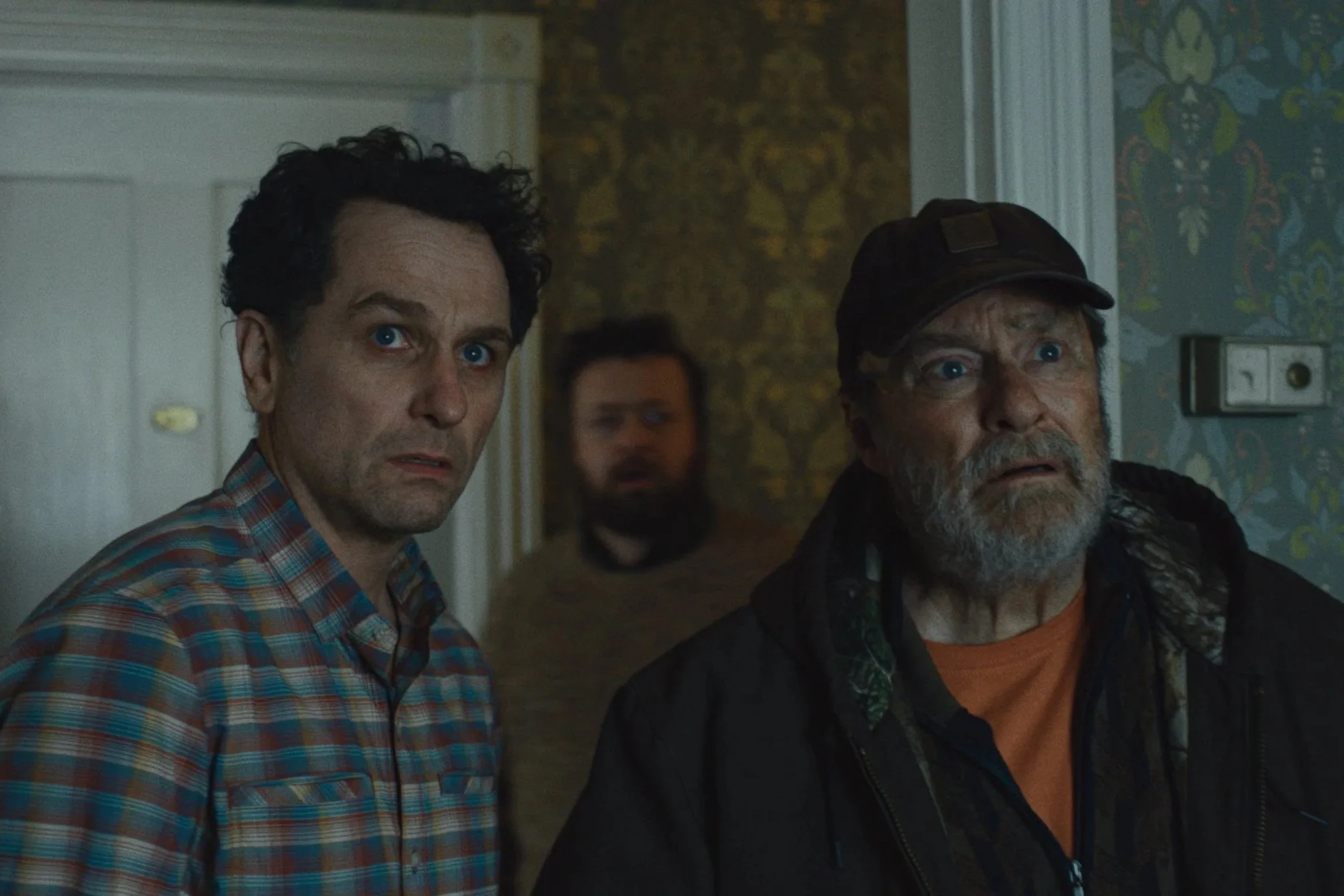
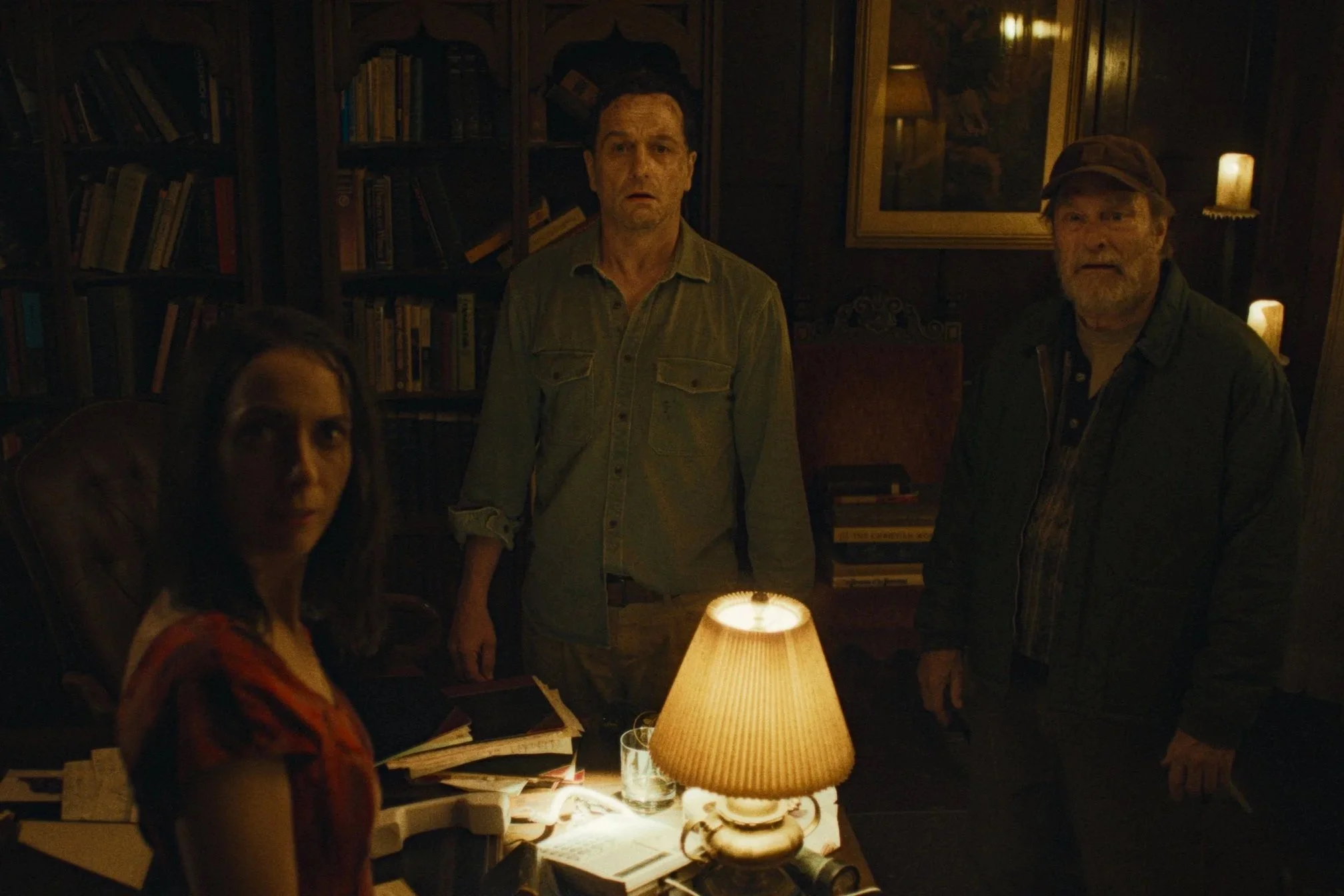
KSP: The clown was incredible. To see that in person, when he's scampering across that basement, everybody was aghast. Because everyone's busy and doing their thing, and then that happens and you’re like, ‘Holy God. That was scary.’ I think what you're seeing there was a real reaction from Matthew. You know, there was a lot of reality in his reactions to that clown.
P: What was a typical day on Widow's Bay like?
KSP: A typical day on Widow's Bay is you don't know what you're gonna get. You're gonna be doing the script — that wasn't an issue — but there would be moments in the script where you weren't sure if they were gonna be funny, and then the way they were performed, you realised just how funny they were. It’s like when you watch the show: there are moments where you might not know exactly why you're finding something so funny, but it's just a simple reaction from Kate [O’Flynn], Matthew [Rhys], Jeff Hiller, Stephen Root, or Dale Dickey. There was so much in those performances, so you never knew what you were gonna get, what little nuggets they were gonna pull out and what you'd be surprised by.
Apple TV
P: What was the hardest episode or scene to film this season?
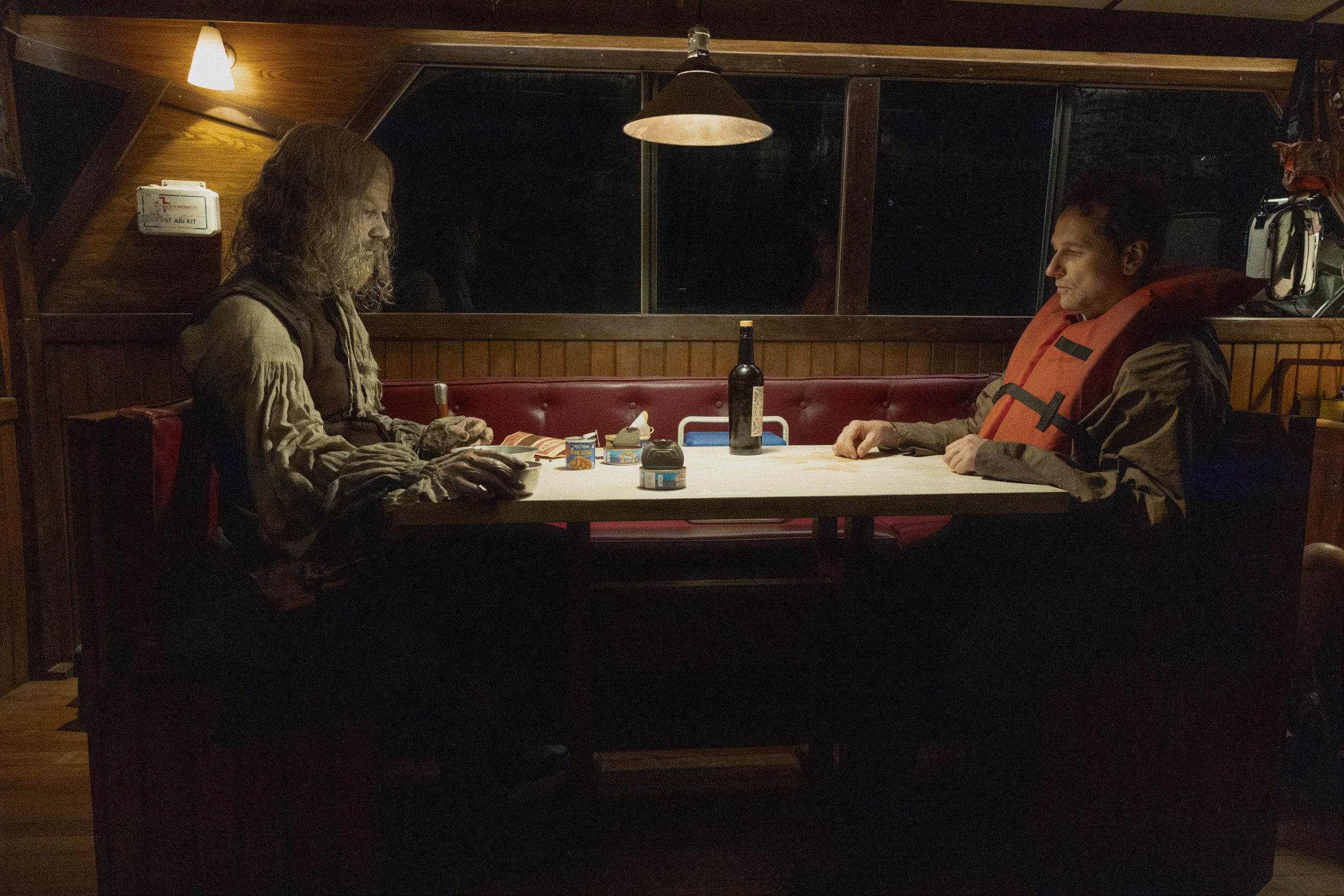
KSP: The boats are tough. They brought in a full-size real fishing boat, the one where they're motoring out with Hamish [Linklater]. That was brought into the stage and put up on gimbals. So it's all pneumatic, and from a sound standpoint, it was complicated because there were a lot of noises to be mitigated, but the special effects department did an amazing job of taking care of that in advance. We're in New England, so we work on boats a lot, and they're always difficult because there’s lots of tight spaces and low ceilings where you can't get the microphone in. And there was a lot of back-and-forth dialogue while the boat’s moving around and things are making noise. Also, they built a 20,000-gallon tank so that we could float the other boats out for the scenes of the kids being lost on the boats. That’s always tough because you don't really know how you're gonna get out there, but it worked out.
Then the rainstorm [in Episodes 9 and 10 ] was difficult. Everybody was in rain jackets. The costume designer, Alex Boviard, who is absolutely amazing — I’ve worked with her before on a movie called Thoroughbreds — she was really good about coming up to me in advance and knowing how important the dialogue is in these scenes. This is a whole episode where there's a lot of exposition you don't wanna miss, and you don't wanna have to have them recreate it. So she came to me, and with my utility, Ryan Baker, who's worked with me for years, we went through all the jackets and figured out which ones worked for picture and which ones people would talk in. If you have characters who have a lot of dialogue, you need jackets that are quiet. But you don't really know if what you've planned out is gonna work until you start shooting. You can try as much as you can, but really, you discover it on the day, and luckily it all worked out well. And the fact that they came to me in advance, it goes to show everybody was on the same page. That all started from the top, from Katie to Hiro to Christian, and worked its way down through the entire project.
Apple TV
P: What is a common misunderstanding or misconception about your role as a sound mixer?
KSP: The biggest misconception is that they’ll just fix it in post. They can fix certain things in post, or they'll ADR it, but 95% of actors hate ADR. Because they usually have to get called in to do a day of ADR, and they'd rather not work if they don't have to, which is totally understandable. They have to put themselves back in the mindset for what they were experiencing during the day. And you have some very subtle performances, and it may be very difficult to get your head wrapped around, like, Where was I? To try to recreate something just because there's a noise or you're hearing a generator, nobody ever wants to do that. I think that's the biggest misconception. I actually had somebody say to me, ‘Oh, so you're a production sound mixer. They just replace all that stuff afterwards anyway, right?’ And of course, my goal is to not have any of it replaced. My goal is to preserve all those performances from that day. When there are these moments of whispering or quiet talk, the last thing you wanna do is be putting in all of this noise reduction, because that’s when you hear [subtle details]. If it's somebody screaming at the top of their lungs and there's wind blowing everywhere, you'll never hear it. But in those sensitive moments when it really matters, you wanna get it as clean as possible. So that’s what you hear all the time: ‘Fix it in post; fix it in post.’ Oh, God.
P: Is there a movie that sound plays a big part in that you wish you’d worked on?
KSP: The Conversation. That was a movie that put soundscape on the map in a lot of ways. That's a movie that often comes up for a lot of sound mixers, and sound is such a central theme to that entire thing. Another good one is Rosemary’s Baby. As for new movies, 1917 was great. There are so many now because sound is such an integral part of filmmaking, and it's almost like you can rediscover a movie. If you decide that you're going to just focus on the sound, and you go somewhere with a really good surround sound system, if you just close your eyes and listen to it, you'll be amazed at what's there. There's a whole world there that's been built to accentuate the picture, but it's also an art that stands on its own. One of our post mixers, Tim Hoogenakker, he keeps saying, ‘If you get a chance, watch Widow's Bay in Dolby Atmos. Because they have built an entire world of atmospheric sounds that are in different spots all around the soundscape.’
Apple TV
P: Congratulations on your Emmy nomination. How did it feel to get nominated, and where were you when that happened?
KSP: I was working on a two-day project, and I got a text that read, ‘Congratulations, you've been nominated.’ I'd been refreshing the page, looking and looking, and I got the text about the same time. It was a little bizarre to be on set but not on any sort of narrative project. It was just a day's worth of work with some great people, but it was bizarre. I was like, ‘I just got nominated for an Emmy,’ and the reaction in the room was like, ‘You did?’ I was like, ‘I guess I'll go back to work’ [laughs].
The beauty of that is, as a production sound mixer, I am there on the day. I see every take. I listen to every take. So I'm one of the few people who have sat and watched and critically listened to every single take that we've had. And we're shooting it all out of order, and — I’ve said this before, but I think it's very apt — in my mind, it's like I have puzzle pieces on a table that are not assembled, and I've been told what the picture is, but I've never seen the puzzle pieces match the picture. The first time I get to see that is when I turn on the TV, and I watch an episode like everyone else. Because then it's been handed off to post, so they'll start dealing with that five months later. At this point, I'm far removed from it. So it's been really fantastic because the nomination is with multiple people, and they’re people I've never worked with before. I was in Boston filming the show, and it got sent off to them four months after it had all been edited. So it’s been a fantastic experience to now be able to talk about the same project with people who have had their hand in it at different times. The nomination has been incredibly flattering, but it's also professionally very fulfilling. You have all these things you think about as you’re working, like, I hope they appreciate the fact we put carpet over the floor so they're not hearing footsteps, or that I put cork underneath all those plates in this dinner scene so that it's nice and quiet. You’re watching it worrying: Maybe I should have shut that fan off down the hallway that was keeping everybody cool when it was 100 degrees, so it’s great to circle back and talk about it, and I’m very proud of the show. I couldn't be happier to have my name attached to it. If you're gonna be nominated for an Emmy, it’s an honour to have it for this show because it’s just so well done.
P: How do you feel about the prospect of returning for the second season?
KSP: Oh, I'm so excited. My calendar is cleared out. Honestly, I just wish it was happening sooner because we are all wanting to jump back into it, but the reality is we wrapped about a year ago. It’s been maybe a little less than a year since we wrapped it, but Katie [Dippold] and all those folks, they were working right up until probably a month before it went to air. So they need the time to put their heads back together and give themselves a little bit of space so that they can start working on it.
Widow’s Bay is now streaming on Apple TV.