Director Benjamin Finkel on the Uncanny Valley Horror and Devastating Drama of Family
The writer-director reflects on his horror drama with Ruth Wilson, which turns his childhood experience of losing his father to cancer into a dreamy haunted house story
by Lana Thorn 24 September 2026
Fifth Season
While the elevated horror boom of the 2010s has given us no shortage of genre films hinging on metaphors about trauma and grief, surprisingly few horror movies have confronted the pain of losing a loved one to cancer. For Benjamin Finkel, that experience provided the backbone of his debut feature, which is less a metaphor for grief than it is a surreal, richly atmospheric supernatural drama that transforms the disorienting realities of his childhood into a horror film.
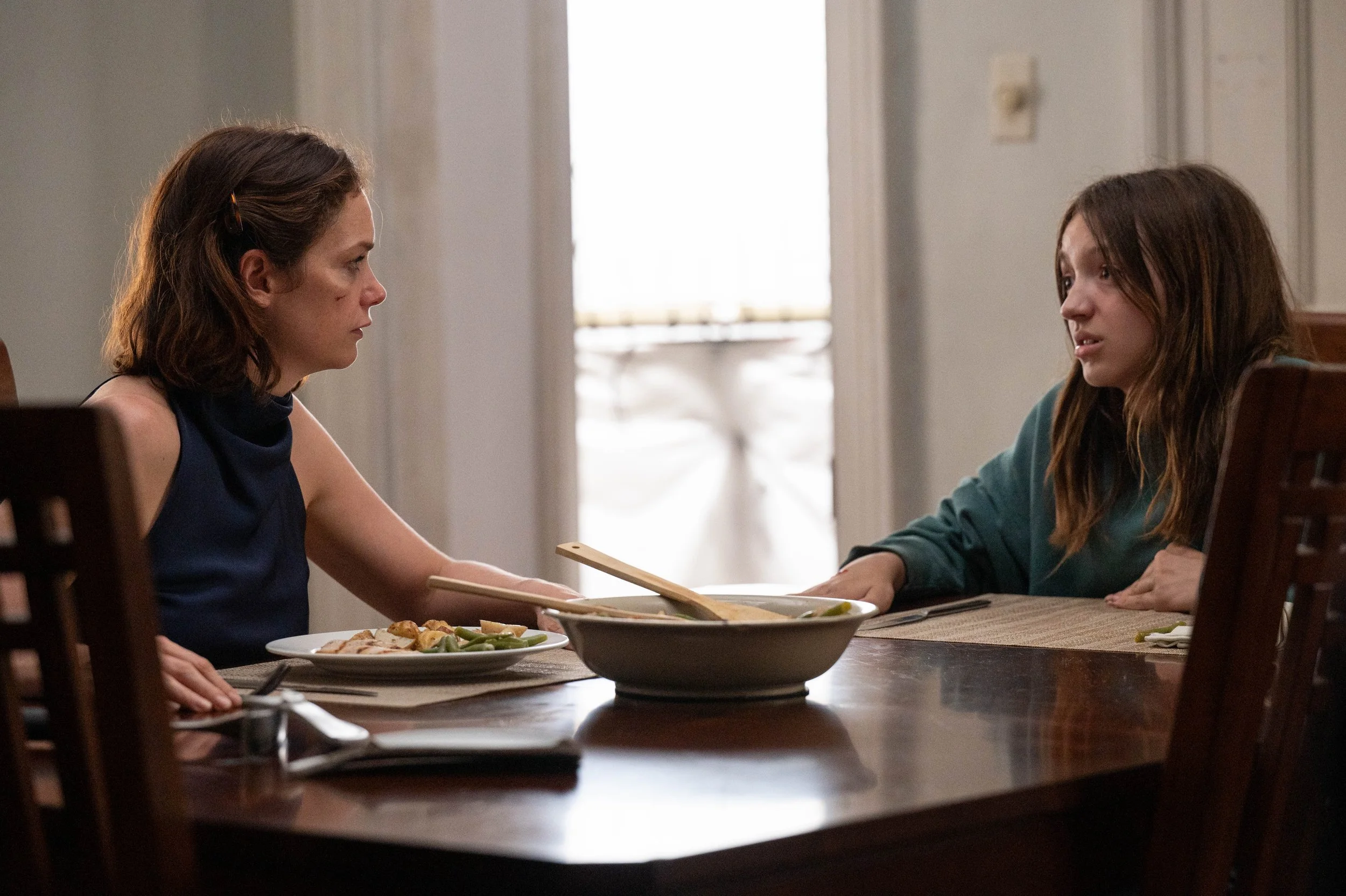
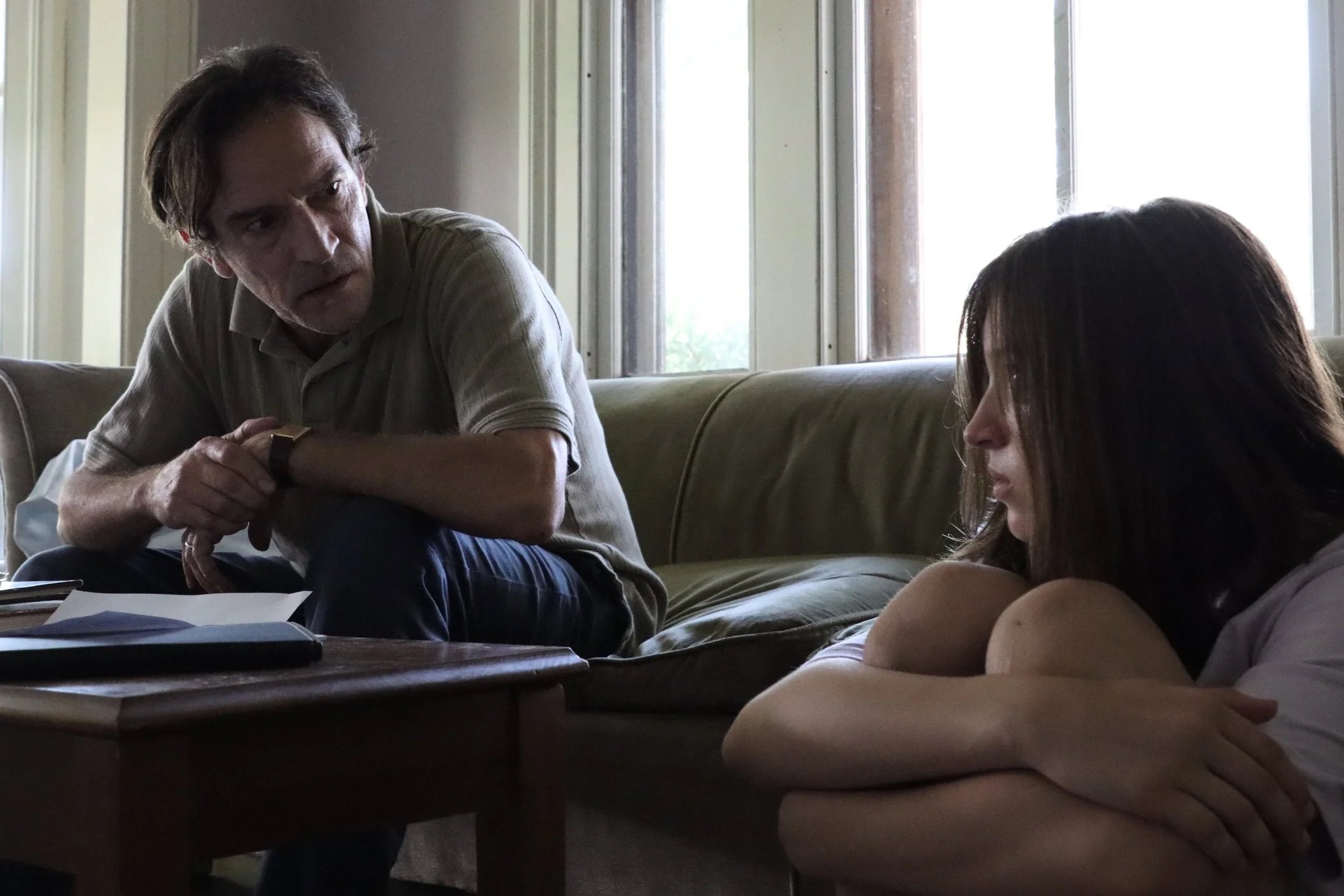
That film is Family, which, after a successful launch at SXSW in 2024, is finally getting a theatrical release. With the protagonist as a stand-in for Finkel’s younger self, it follows a 10-year-old girl (Cameron Dawson Gray) who starts to believe that her stern mother (Ruth Wilson) and sick father (Ben Chaplin) are trying to kill her as she spirals into a haunted fantasy land.
Calling ahead of the film’s release, Finkel spoke with Phantasmag about getting vulnerable performances from his lead trio of actors, designing a menacing soundscape through score and sound design, and crafting that already-viral standing dog scare.
Phantasmag: Family draws on your personal experiences. When did you realise you wanted to adapt that subject matter into a film, and more specifically, into a horror film?
Benjamin Finkel: During my childhood, my father was sick with cancer. It's interesting; as a child, it's just normal. You just totally accept it, you know? I didn't know that other kids didn't wash their hands twice every time they came in the house [laughs]. These little tiny things. Then he passed away when I was 14. A few years after that, I started collecting little photographs and notes in places from the area around where I grew up, and it all started coalescing. Everything I'd been feeling around that experience, everything that I had been thinking and very slowly processing, I just started writing it over the course of a few years.
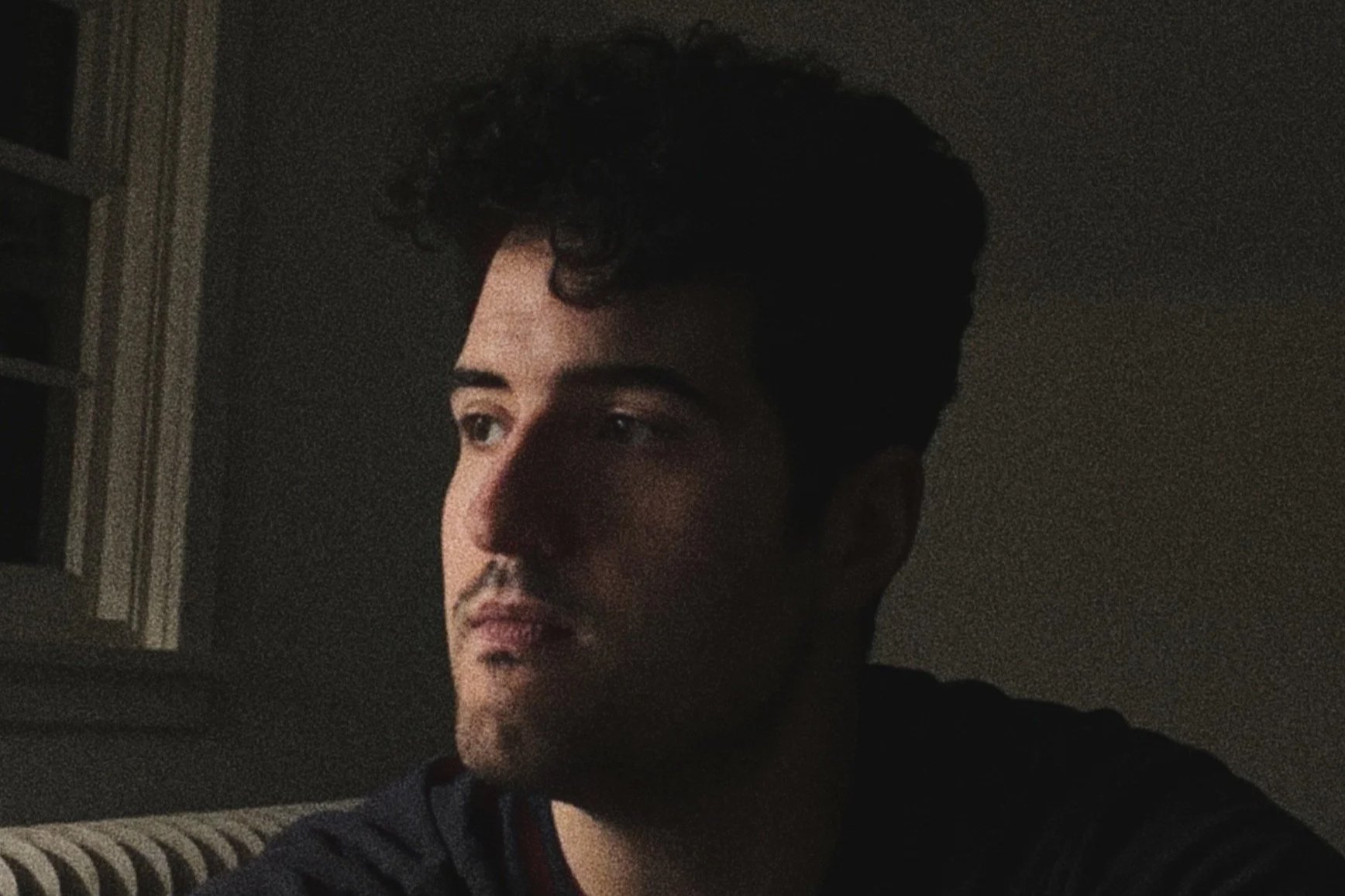
Writer-director Benjamin Finkel
As I was writing it, I didn't have any ambition for it at all. I was just drawn to this feeling I had as a kid, of standing in the street in the middle of the summer with the streetlights winking in the distance, and there are fireflies and cicadas, and you’re looking up at the stars when you feel like reality is going to fall down like a blanket and just dissolve. That felt so powerful and intoxicating to me, and I wanted to write something that took all of these feelings of childhood, as well as the feeling of how a family falls apart and reforms itself around the sick person who almost becomes an object you can’t address, like a dying star. It will burn your eyes out if you look at it. Then I showed it to someone, and they were like, ‘Oh, you wrote a horror film.’ And I was like, ‘I guess I did.’
P: I have to ask this next question because I actually had a nightmare after watching the dog scene, which has already lit up the internet. Can you walk me through how you crafted that scare, and what was it inspired by?
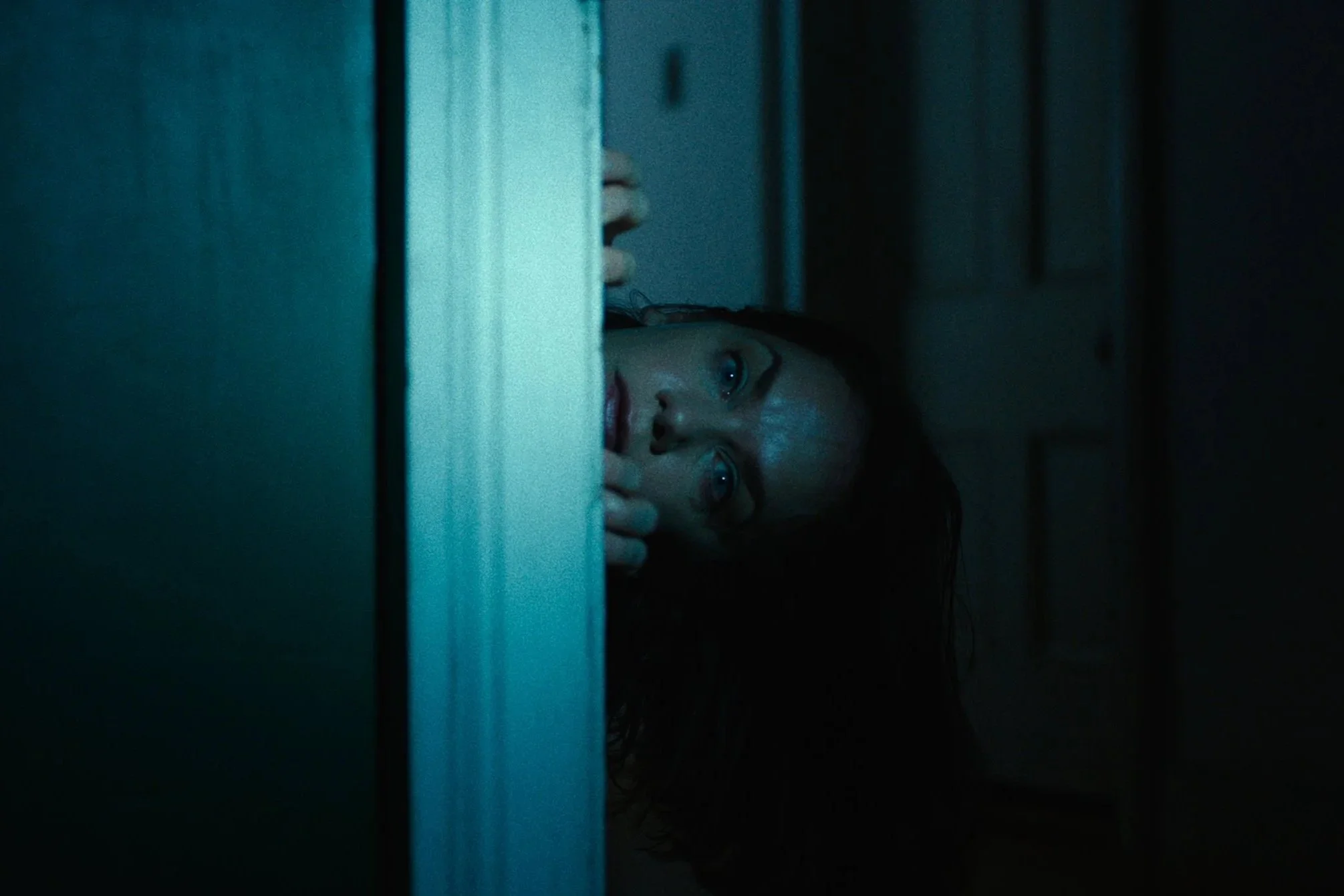
BF: It was an image I had in my head for 15 years: a dog, specifically a greyhound, standing on two feet. My neighbour growing up had greyhounds, and they're beautiful, so sweet, but also terrifying-looking [laughs]. They’re like little aliens. I thought if we could get a greyhound standing up on two feet, it would be amazing. There was this artist named Sarah Sitkin who I was obsessed with. When we were making the film, I spent like two years sending her letters and got no response. Finally, she reached out, and we got on what was like the greatest Zoom meeting I’ve ever had, and she was like, ‘You wrote the story of my life.’ So she crafted a puppet for us of the greyhound, as well as the prosthetics for [spoiler alert] the creature at the end. Then we all got puppeteers from Sesame Street to operate it on set. It was really important to be that I had someone who understood the beauty of that form. Because the greyhound is such a beautiful animal, but they’re also so weird and scary. I’m excited for people to see the film because it has a lot of images like that which I’ve been thinking about for a long time.
Fifth Season
P: As with those images, the film’s style of horror felt very uncanny valley. There’s always a feeling that something is off. Why was that specific brand of horror the right vehicle for you to tell this story?
BF: I love Kurosawa films. I’m obsessed with that slowness, with the way he’s able to inject an empty room with just a feeling. What he does with cinema is so amazing because he unblocks the frame, and you become aware of everything that’s outside it. That was the goal here. To take the most beautiful afternoon in the world with a light warping through the glass into a beautiful home and turn that towards the uncanny. The whole space and all that beauty can be weaponised, and that spoke to my experience growing up. I was very lucky to live in a very nice, very old house. And as a kid, your parents are your world, and if there's something wrong with your parents, there’s something wrong in the world. So I wanted the beauty of the house — the architecture, the space — to almost become the subject of the horror.
P: You've said that you wrote the script with kind of like the sound in mind. How did you build the film’s soundscape, from the score to the sound design?
BF: I worked with two wonderful sound designers, Lewis Goldstein and Tom Ryan. They brought so much to the film because so much of the movie is about the sound, these weird resonances and harmonics. For me, sound is the only way you can touch the audience physically. So it was amazing to see them build up the layers for just one sound, like the way the walls sort of shiver and creak like the house is moving. Fifteen things can be stacked on top of each other in order to give it that perfect, buttery clunk. So their attention to detail is really wonderful. Then my composer, Logan Nelson, just added an entire other layer. Because this is a film where the score and the sound design mesh together. Logan brought a sense of beauty, space, and texture that was important for that.
Fifth Season
P: Lastly, I wanted to ask you about getting such raw performances out of your actors. What conversations did you have with them?
BF: It was different with each actor. I was very fortunate to have veteran, powerhouse actors for the parents. With them, it was conversations about the backstory. With Ruth Wilson, I remember I wrote her an eight-page single-spaced life history. And then here’s what’s crazy. I’m putting in details of what happened to her character, Naomi, when she was twenty-three, and then you could see it on screen. I was writing, She’s a concert pianist. She has the confidence to go in front of 1500 people and perform. And you can just feel it in the way she holds herself in the film.
It was the same thing with Ben Chaplin, who was incredibly generous. The thing about this film is that everyone had had an experience with someone in their life going through a long-term illness, and Ben Chaplin brought that into the performance. I remember I was getting ready to tell him a detail about how my dad, but then he was like, ‘I’m going to hold my body this way because I’m going to feel it in my kidney.’ He already had an entire body of knowledge, and the way he was able to put it physically into his performance was wonderful. And then, obviously, at the centre and heart of this film is this child actor, this performance by Cameron [Dawson Gray]. We saw 1200 kids to find this person, and it was always conditional on finding that person. I remember seeing these wonderful child actors, but it was like, ‘Here’s a child auditioning for this role’. And then it was, ‘Here’s Johanna’. That was just a spark that they carried through the entire production.
Family is playing in select US theatres and on Digital VOD from this Friday, September 25th.