Carrie at 50: Why No Remake Can Ever Come Close to Brian De Palma’s Masterpiece
Half a century later, the big-screen adaptation of Stephen King’s debut novel is as urgent and devastating as ever
by Alex Kaan 3 November 2026
Amazon MGM Studios
Time is not always kind to horror films. While the quality of Steven Spielberg’s Jaws is indisputable, the practical effects and creature feature frights of the classic summer blockbuster cannot be expected today to cause the same kind of panic it did in the summer of 1975, when it turned sharks into a widespread phobia and was blamed for a decrease in coastal tourism. Yet looking back at Brian De Palma’s Carrie, which first spooked audiences in November 1976 after the most galeophobic had just recovered from the Spielberg thriller, the decades have done little to diminish the film’s impact.
The first and perhaps best Stephen King film adaptation, Carrie is no less moving 50 years on. Despite its indelible imprint on pop culture, fuelled by endless remakes and parodies courtesy of The Simpsons and Glee, the film’s visceral horrors and tragic beauty remain entirely undiluted. Even with a worthy reimagining from acclaimed horror auteur Mike Flanagan (The Haunting of Hill House) fresh in audiences’ minds, the new Prime Video miniseries proved that the themes of this high school bullying story are more pressing than ever, and yet it can’t hope to supplant this classic as the definitive on-screen version of King’s debut novel.
Amazon MGM Studios
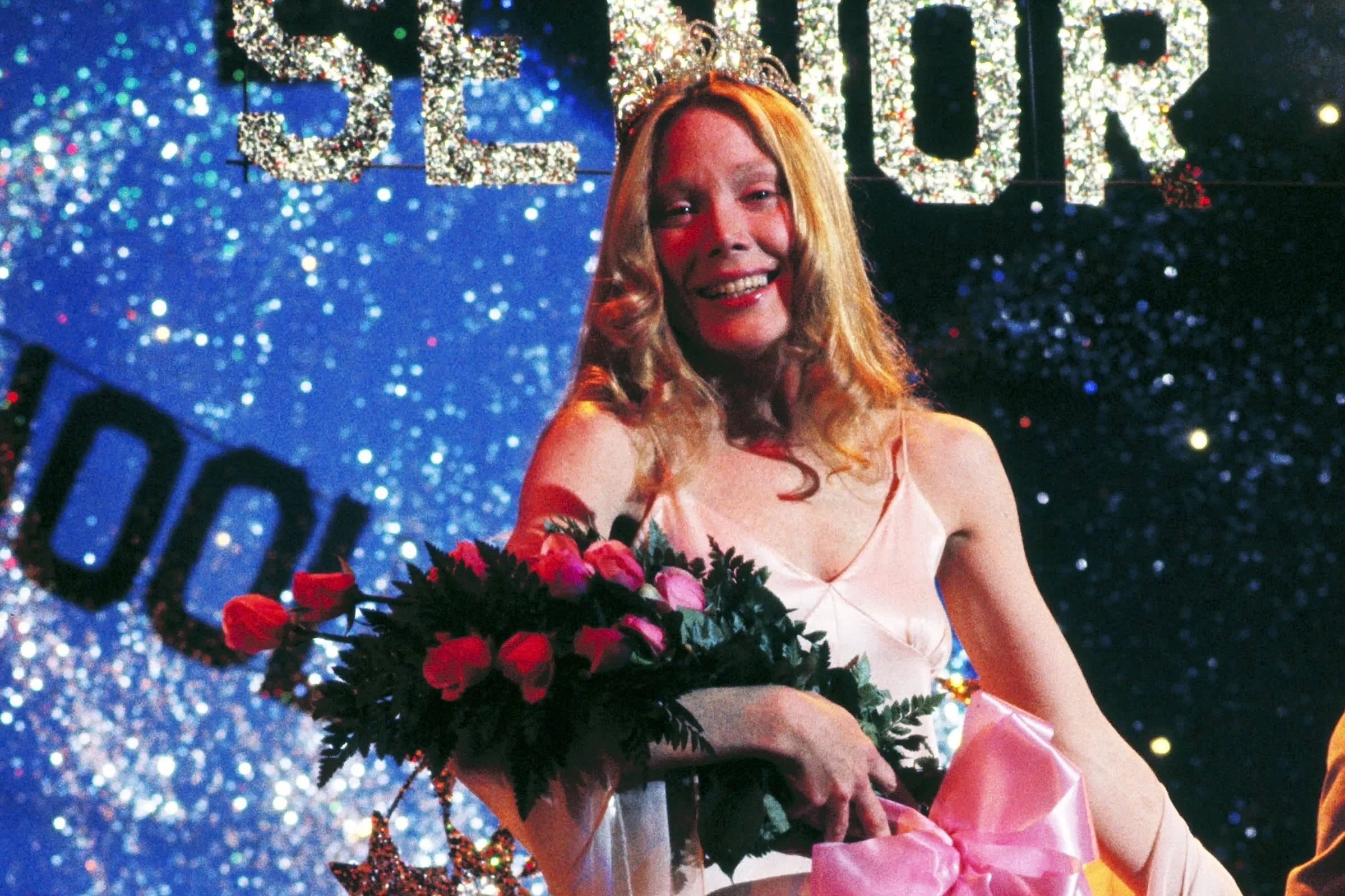
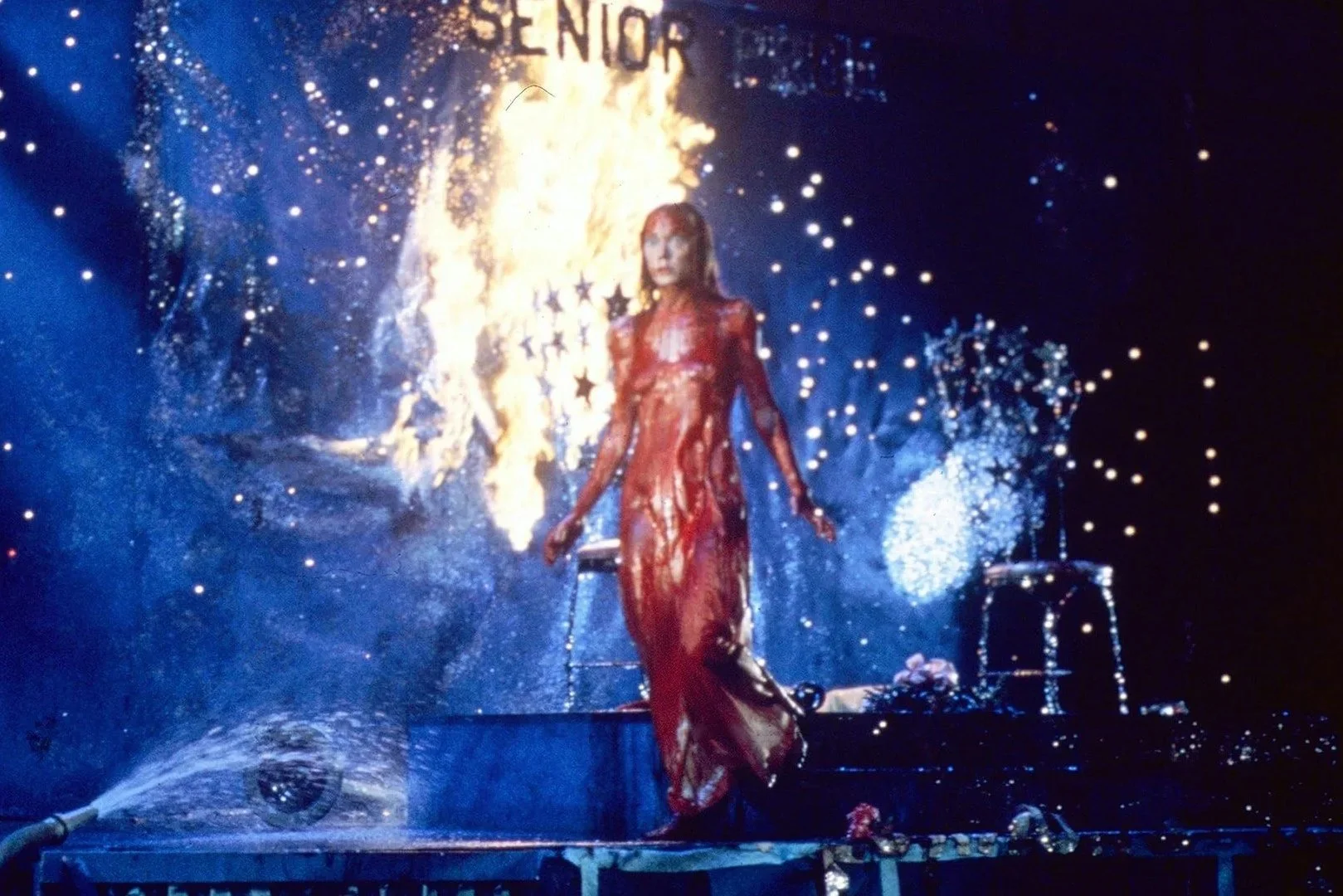
Unfolding in a tight 98 minutes, the film follows the book fairly faithfully, telling the tale of Carrie White (Sissy Spacek), a telekinetic social outcast ridiculed by her classmates at school and abused by her religiously zealous mother (Piper Laurie) at home. The narrative is bookended by two now-iconic scenes: Carrie is mercilessly bullied after she gets her first period in the girls’ locker room, while later, she unleashes her powers and kills her peers after Chris Hargensen (Nancy Allen) and Billy Nolan (John Travolta) douse her in pig’s blood just as she’s crowned prom queen. This latter set piece, like Darth Vader’s true identity or the fate of Romeo and Juliet, is so burned into the popular imaginary that most viewers will see the film for the first time already knowing the end. Yet that inevitability, rather than spoil the surprise, imbues the film with a thick tension, an almost nauseating anxiety that never lets up until the explosive finale.
Despite its dated stylistic flourishes, from split-diopters to split-screens, there is a timeless power to De Palma’s Carrie. Where Mike Flanagan’s new miniseries dissects the hatred spread by social media, the 1976 film is a more primal tale of bullying and female repression that outmatches most every modern genre film in the seismic impact of its horror thrills.
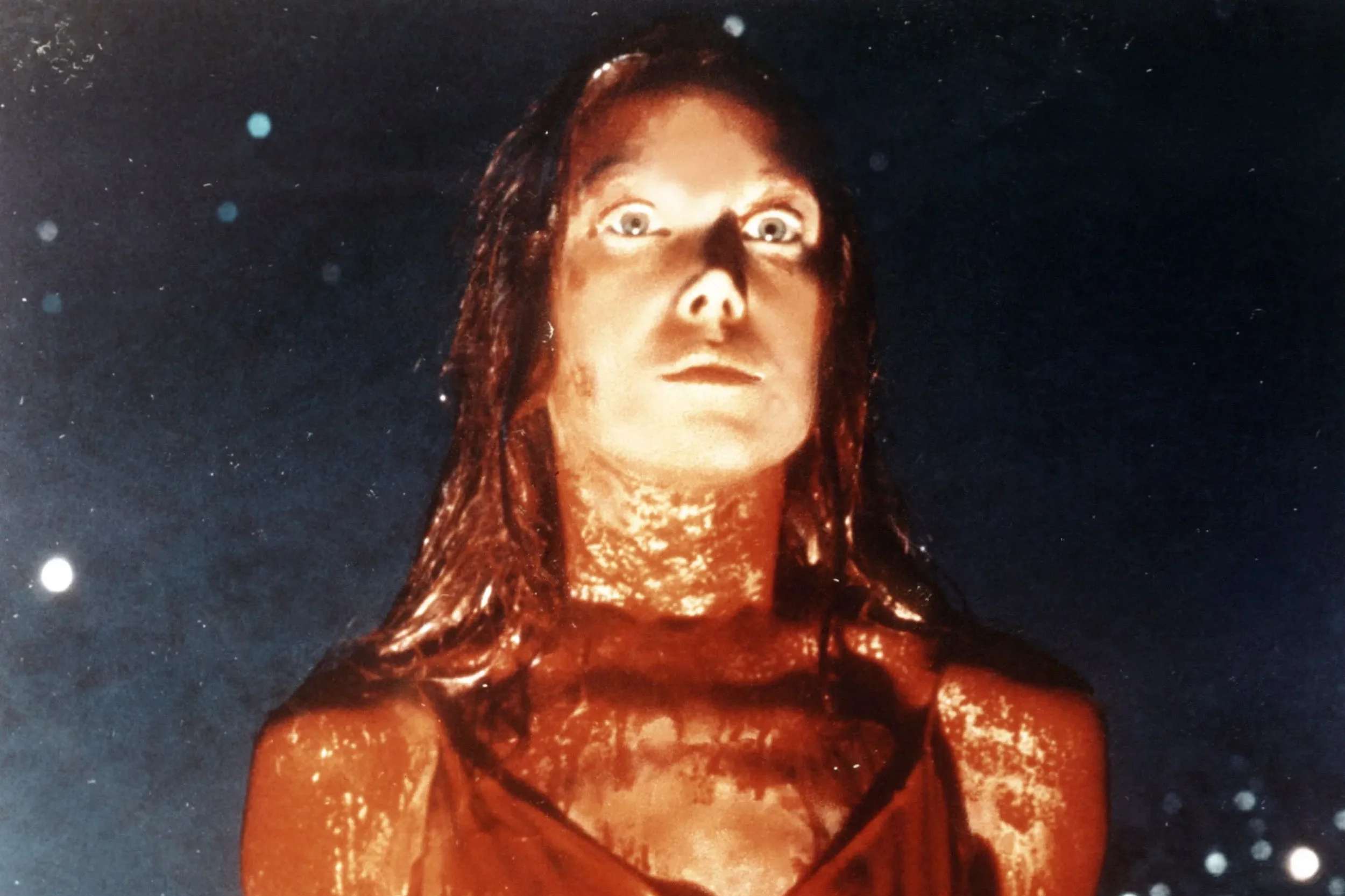
When the contents of Chris and Billy’s bucket hit Carrie in slow motion and De Palma cuts all sound except the trickling blood, her anguish and humiliation are laid as bare as they can be, distilling the trauma of social alienation into a single grotesque image. What follows, as the idyllic small-town American charm of a high school prom is turned into a Grand Guignol bloodbath, is a phantasmagoric yet somehow logical outcome that validates the real-life horror of what Carrie endured prior.
Amazon MGM Studios
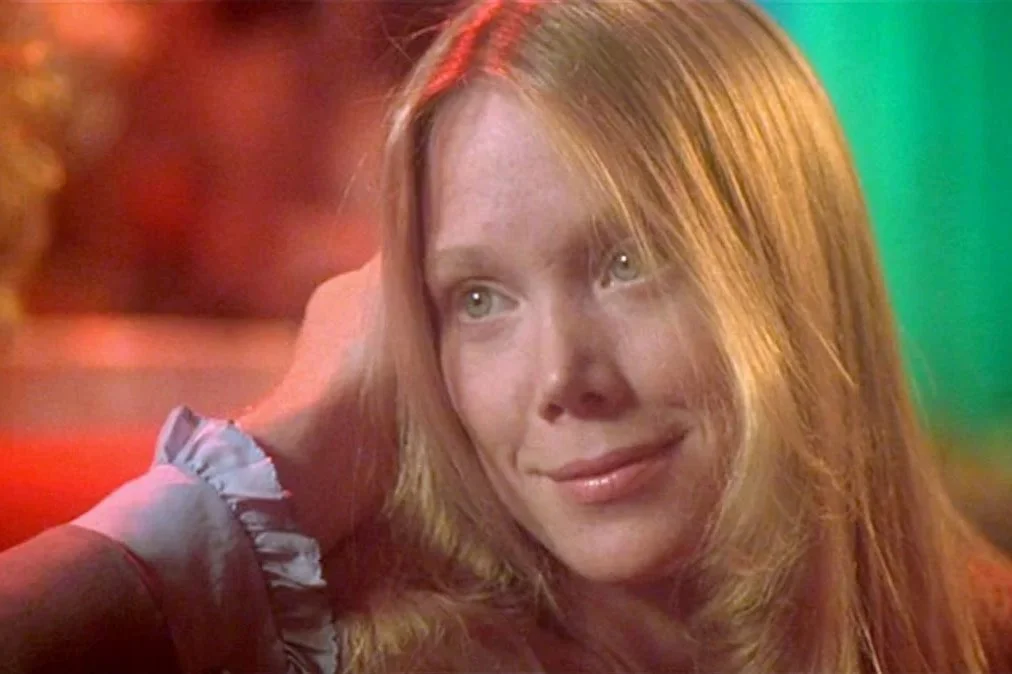
And with all credit to the actresses who have followed in her footsteps, no one has embodied Carrie White like Sissy Spacek. Raw, ethereal, and ultimately terrifying, she secured her place in cinema history with that piercing stare that triggers the climactic scene. From Alien’s Ripley to Scream’s Sidney Prescott, horror is rightly celebrated for its strong female protagonists, yet Carrie gives voice to a rare kind of heroine: a girl who deserves every ounce of the audience’s sympathy, yet is still a fearsome villain.
That Carrie White is brought to life with such sensitivity may be a bit of a surprise for Brian De Palma fans, given that the director is best known for classic macho crime dramas (Scarface, The Untouchables, Carlito’s Way) and stylish Hitchcock riffs (Blow-Up, Dressed to Kill, Body Double). But he shows ample reverence for Carrie’s inner life, and when he leans into his signature formal audacity, the shock-and-awe it generates pairs perfectly with her fraught emotional journey, avoiding saccharine melodrama and achieving a difficult blend of pathos and horror spectacle.
The strength of that blend comes from one of De Palma’s frequent collaborators. Aside from Spacek’s performance, the beating heart of Carrie is Pino Donaggio’s score, a lush, expressive masterwork that delicately balances the fragile innocence of teenage girlhood (his main titles cue for the opening locker room scene) with the Gothic horror that defines Carrie’s home life and the third act.
Amazon MGM Studios
On the subject of that opening scene, it remains a rare object of criticism in the context of an otherwise unilaterally heralded film. Carrie begins with a tracking shot moving through the locker room of girls who are supposed to be 16-year-olds, and for some, perhaps reading into the erotics of De Palma’s filmography, it is a sequence defined by a pervy gaze. Far Out Magazine went as far as comparing the scene to “the start of some dodgy porno”, describing Donaggio’s theme as “romantic”. Yet the critique feels more like an unsubstantiated reading of authorial intent and an imposition. De Palma is no stranger to capturing a sexual image, and yet there is nothing sexual about this scene and the bodies of adolescent girls. Shaped by a score that is heartbreaking rather than “romantic”, the sequence is an expression of innocence, vulnerability, and isolation, revealing Carrie’s emotional state just before the shock of her first period.
One of the greatest films — of its genre or any other — in cinema history, Carrie’s tender tale of an ever-relevant social issue has lost none of its power 50 years later, and it should remain just as horrifying in another half a century.