Stranger Things Sticks the Landing — but Only After a Disastrous Final Season
Disappointing fans and critics alike, the fifth season of the Netflix series is an overstuffed yet undeveloped conclusion
by Alex Kaan 4 January 2026
Courtesy of Netflix
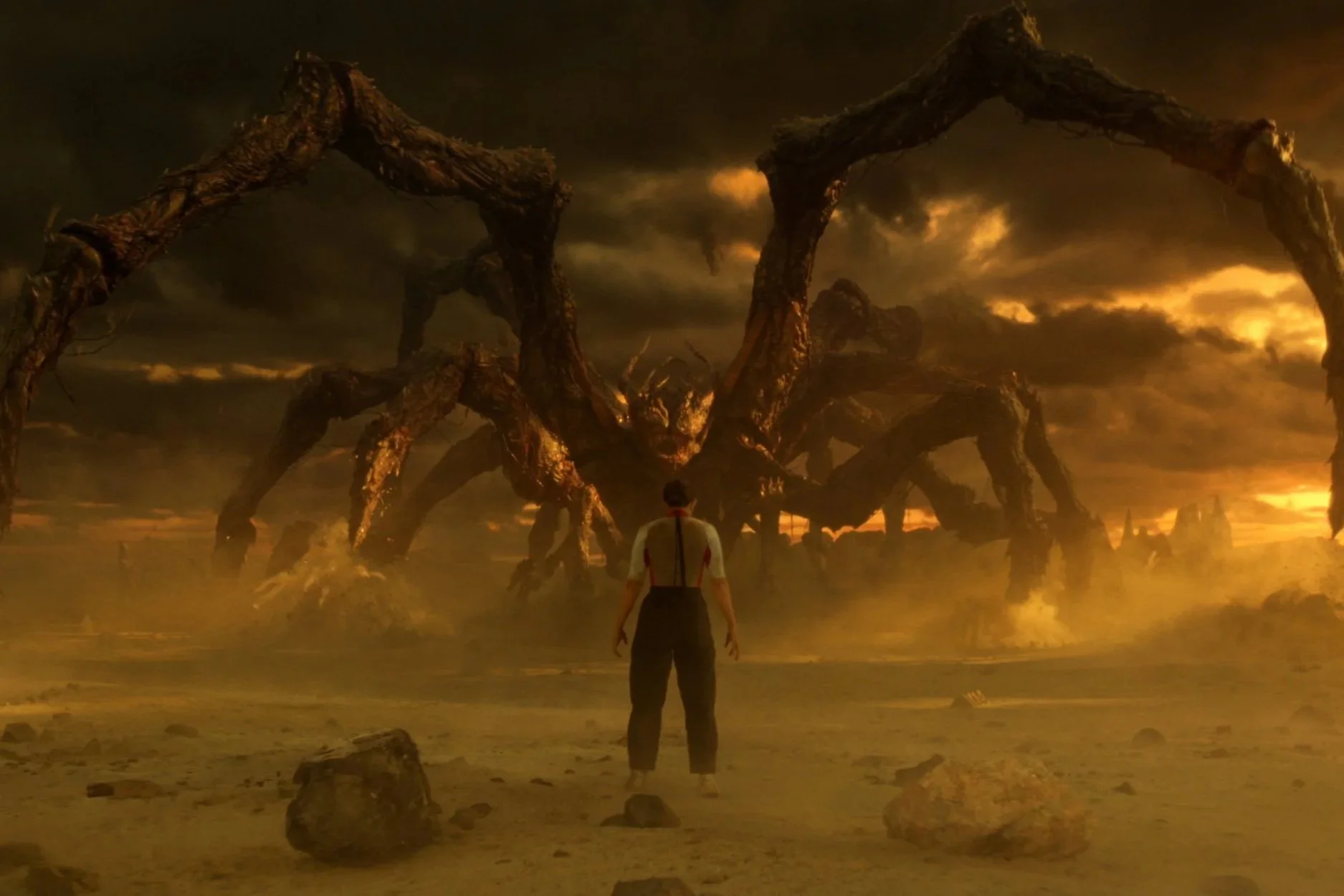
After nine years, Stranger Things has come to a close. The 80s-set sci-fi horror series, the most-viewed TV show in Netflix’s catalogue, concluded with a 2-hour finale that served as a poignant farewell to characters beloved by a massive global fanbase. However, despite the touching ending, the seven preceding episodes are easily the worst in the series, with fans critiquing the inconsistent writing of the creators and showrunners, the Duffer Brothers. Channelling our inner Mr. Clarke, we’re scientifically breaking down what went wrong with the last season of this all-time great series.
Warning: this article contains spoilers for the final episode of Stranger Things
Courtesy of Netflix
Character “deaths”
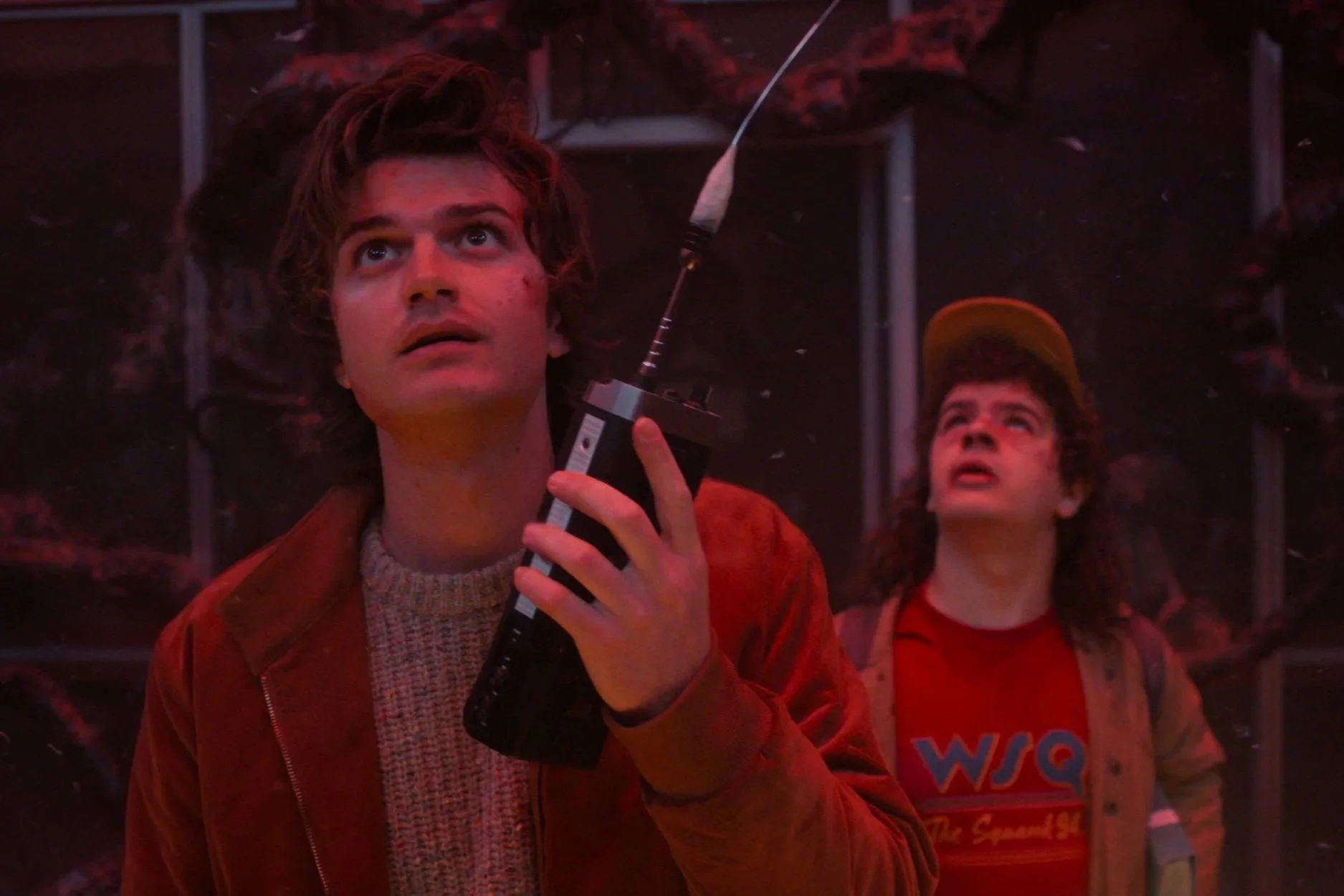
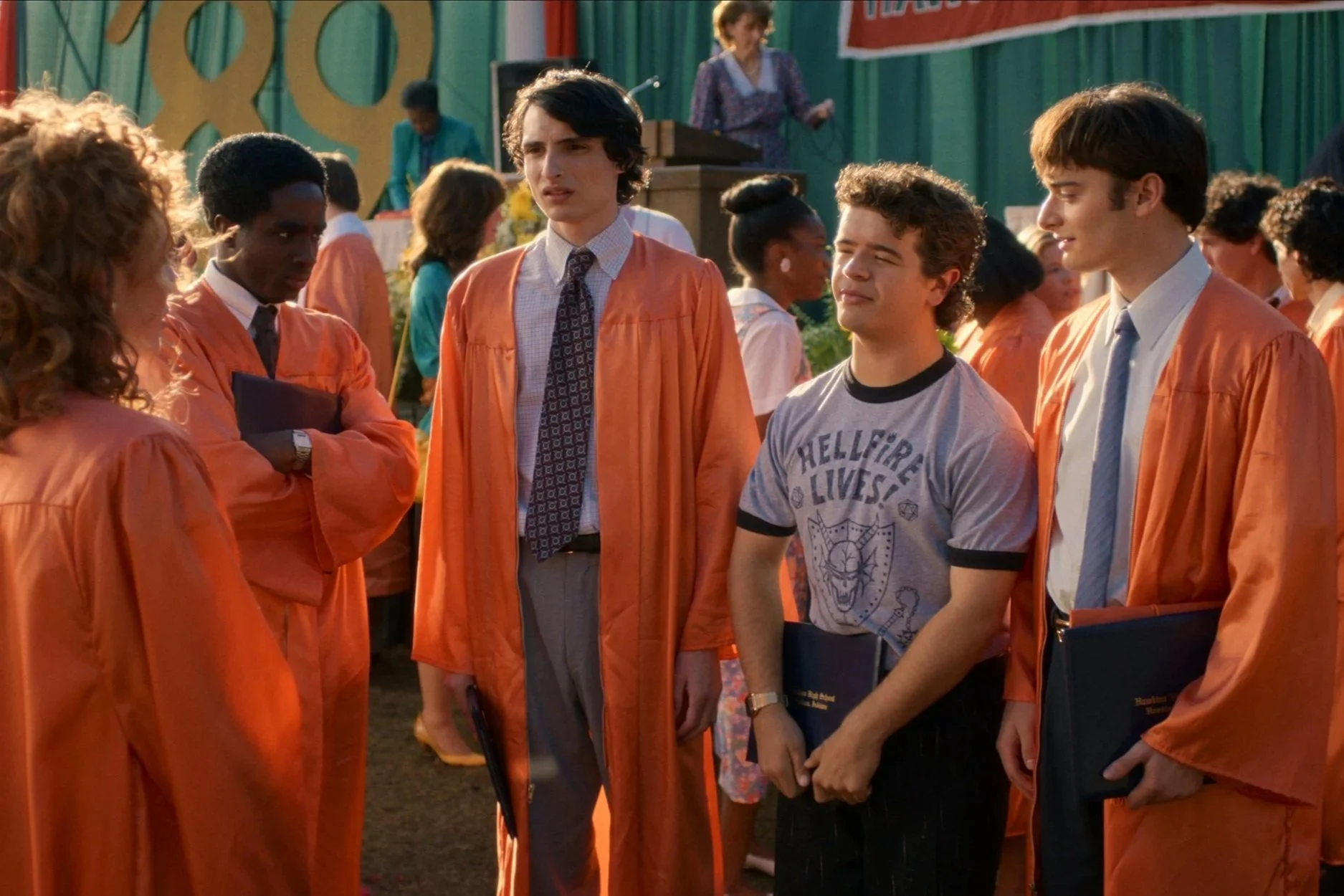
The bittersweet epilogue, which sees the younger kids graduate and the rest of the Hawkins crew try to move on from the trauma they endured, is a course-correction filled with exactly what this season has sorely lacked: character moments. What began as a masterful ensemble horror mystery devolved into a mess of A-to-B, action-heavy storytelling that ‘killed off’ its characters in the more damning sense: stopping their arcs and treating them as little more than soulless action figures.
The character most affected may well be Nancy Wheeler (Natalia Dyer). After a Season 3 narrative saw her facing misogyny in her career as a journalist—prompting her to investigate on her own with Jonathan (Charlie Heaton), get fired for doing so, and ultimately kill her rude coworker when he’s possessed by the Mind Flayer—Nancy hasn’t had much to do but be a Ripley-type heroine. While Dyer can certainly play the part, the issue is one that has affected most of the main cast this season: watching them battle monsters is uninteresting when the interiority of the character is neglected.
Courtesy of Netflix
The Nancy, Jonathan, and Steve triangle
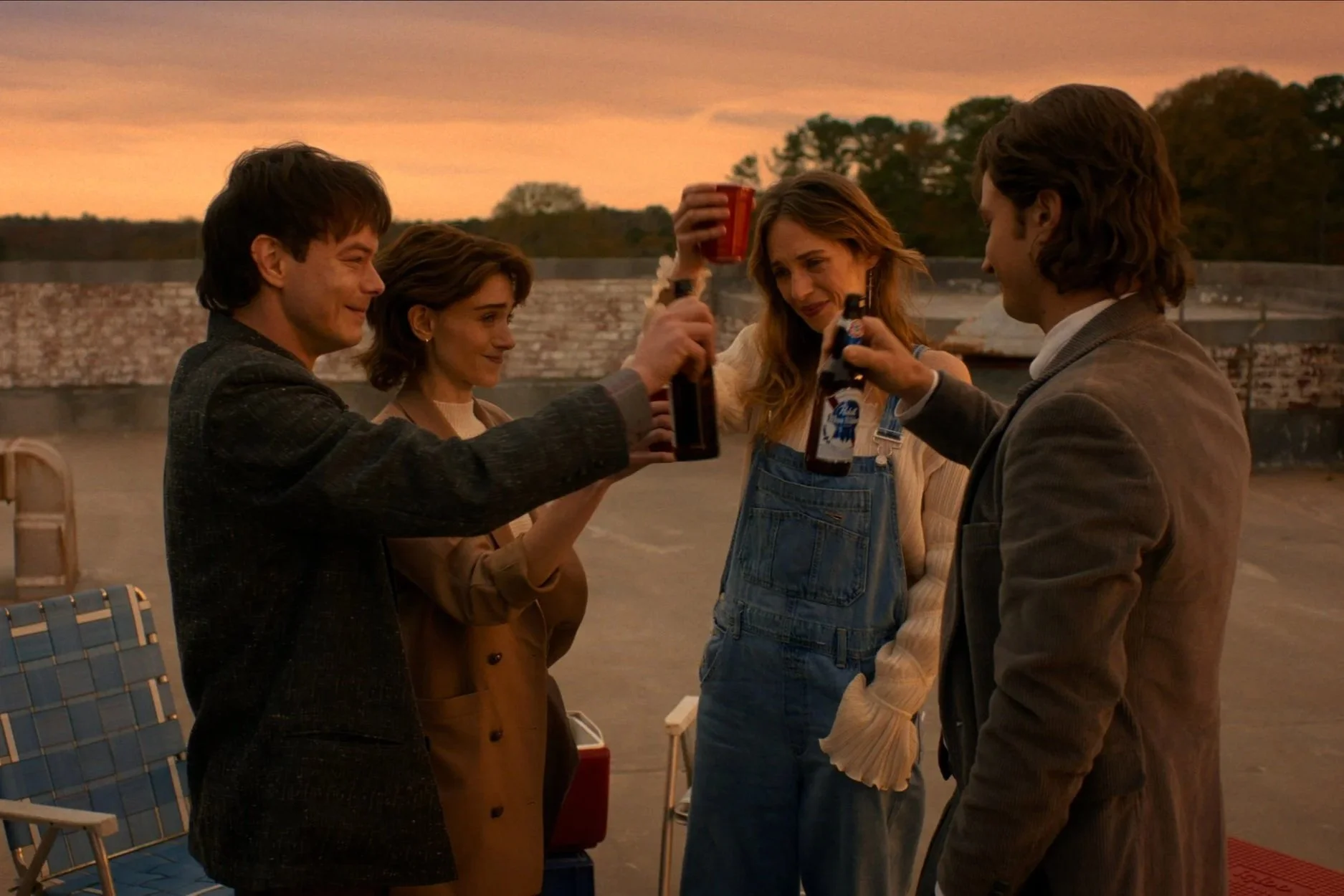
The end of Nancy’s development actually coincides with the Season 4 revival of a love triangle that the show began with, and placing her between Jonathan (Charlie Heaton) and Steve (Joe Keery) before she eventually ‘chooses herself’ isn’t the progressive storyline the Duffers think it is. Coming to terms with Nancy’s independence punctuates all three of their arcs, but it rings hollow because her wants and needs have barely been explored in the last two seasons. In the end, the undercooked love triangle comes at the expense of the development of all three characters.
Courtesy of Netflix
Girl, Interrupted
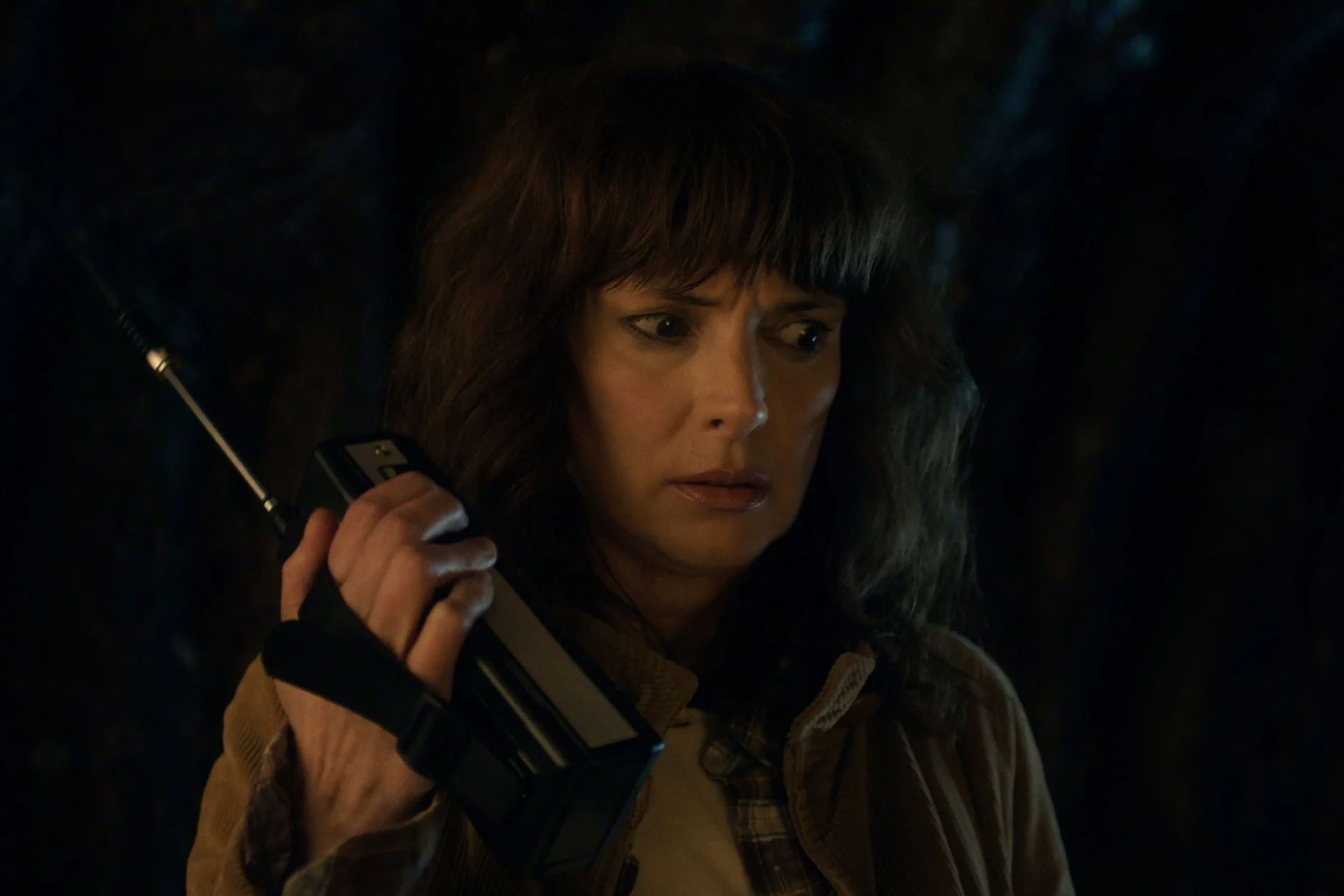
Speaking of interrupted arcs, by Season 5, Joyce Byers (Winona Ryder) has been entirely de-centred. Considering that the show worked best as a character-driven mystery with her at the lead, it’s painful to see an actor of Ryder’s calibre be reduced to a passenger to the plot. Stranger Things 5 sees Joyce learning to trust Will after understandably wanting to overprotect him, but anything in her emotional spectrum outside of that relationship is sidelined. Ryder’s main job this year is to merely react to Will’s evolution into a sorcerer, and while the climactic moment when she beheads Vecna is well-earned in the context of the whole series, it would have carried far more weight if she had been awarded a more layered storyline this season.
Courtesy of Netflix
Purple Rain
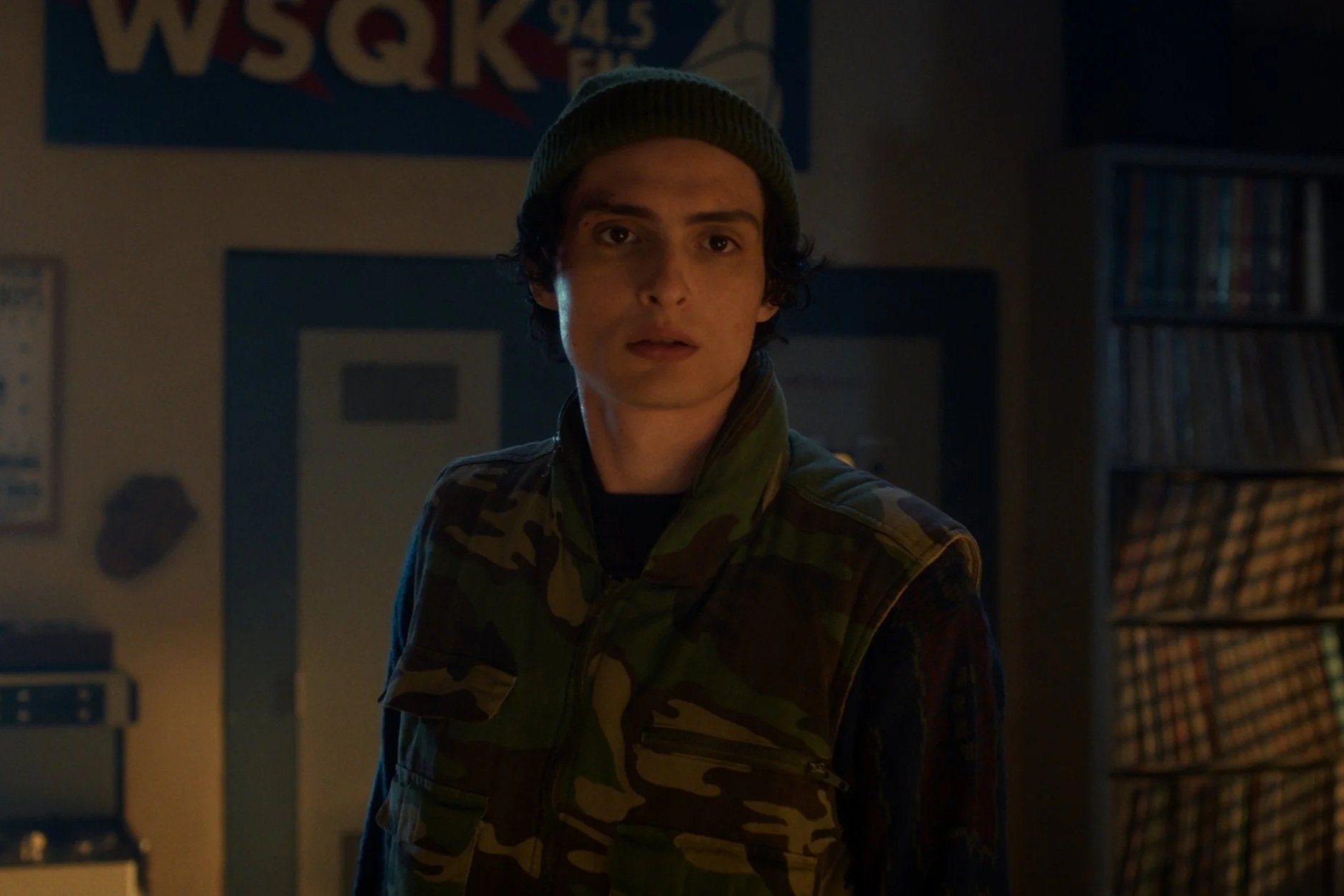
In one of the Duffer Brothers’ most bizarre choices, Mike and El have hardly any screen time together, leading fans to speculate that they broke up offscreen between seasons. From Season 1, theirs is ostensibly the show’s central relationship, something that the Duffers only seem to remember in a climactic good-bye scene in The Void set to Prince’s “Purple Rain”. Because they have barely interacted in the previous seven episodes, the scene relies on clips from the first four seasons for its emotional heft.
Moreover, Mike, in particular, has been sidelined since Season 3. He was clearly positioned as the ‘lead kid’ at the beginning of the show and the heart of the friend group, but in Stranger Things 5, like Joyce, he feels like a bystander to the action.
Courtesy of Netflix
Vecna defanged
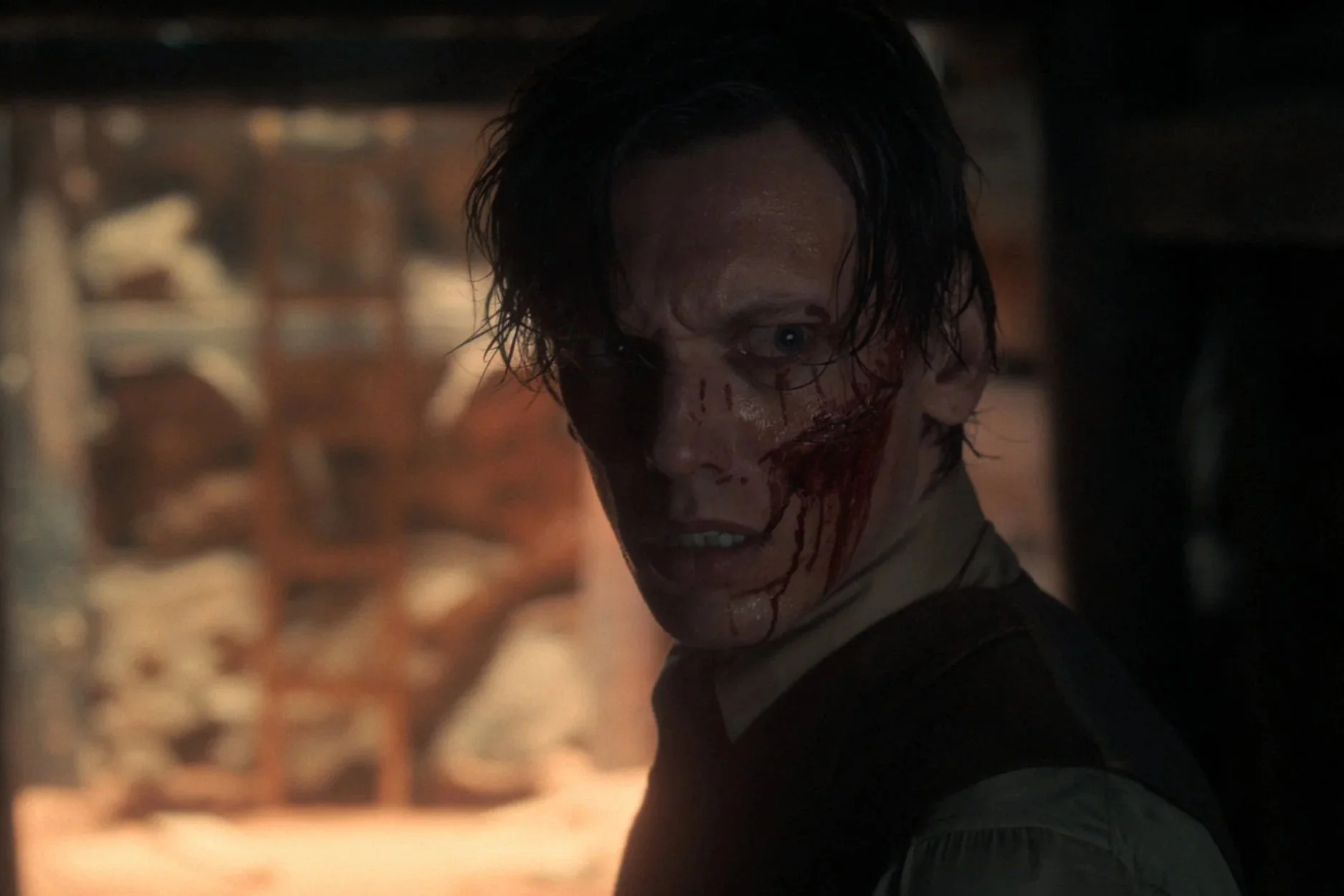
Watching Jamie Campbell Bower as Vecna this season is a frustrating endeavour. He’s an actor at the height of his powers with a wildly menacing presence, but his performance is consistently undermined by a confused script that nullifies Vecna’s threat. In Season 4, the series’ big bad was ruthless, killing his victims after making their eyes bleed and their bones crack. Now, he spends most of his time as an evil Mr. Rogers to a group of kidnapped children in a plot line that never manages to be as chilling as it should be, while his incapacity to kill a single one of the ensemble this season lowers the stakes significantly.
Courtesy of Netflix
Will coming out
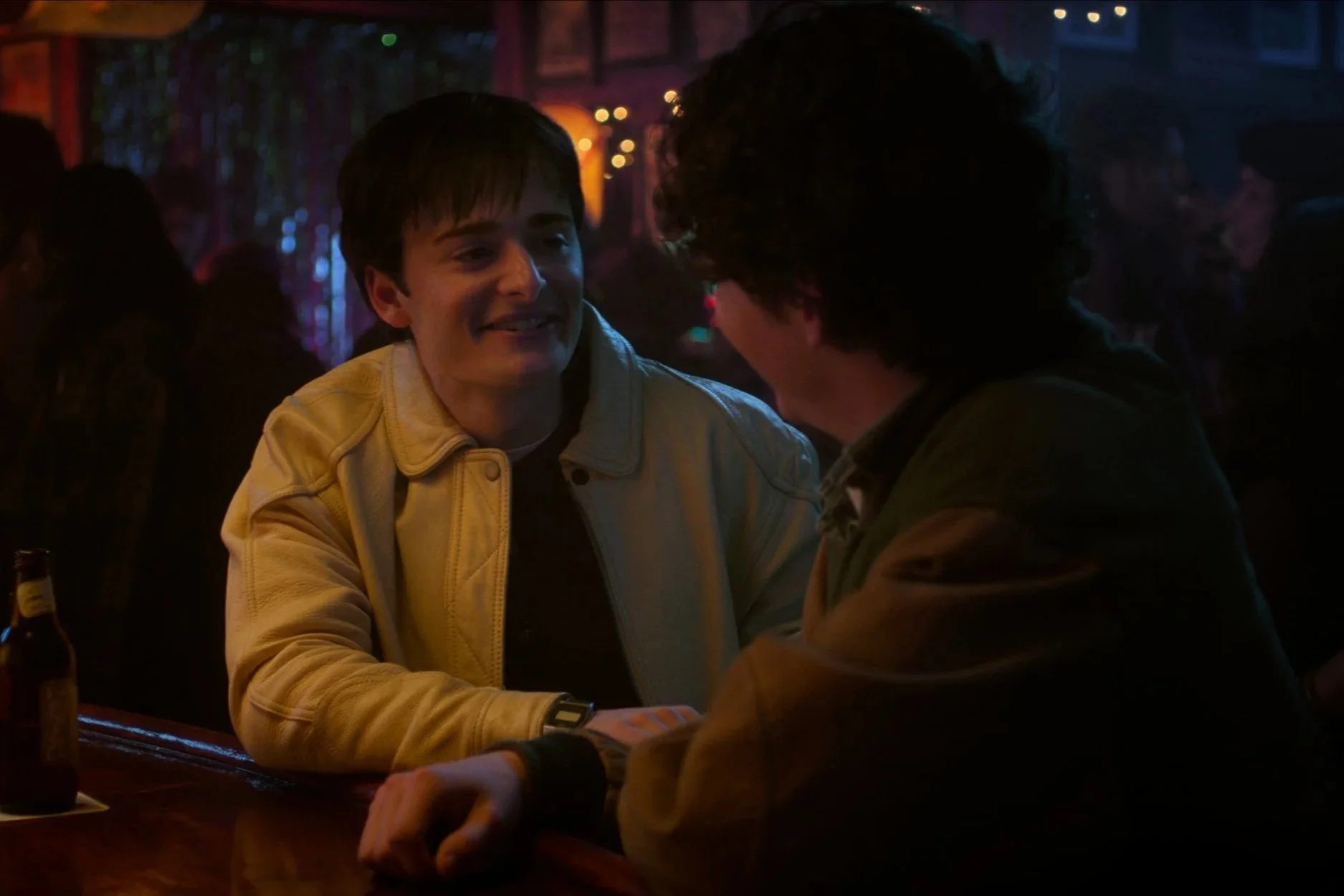
Will’s coming-out scene has drawn heavy criticism, but making the character’s sexuality a central part of his arc this season isn’t the problem. His queerness has always been a factor, playing an especially poignant role in Season 3 when he starts to feel ostracised from his friend group as they split up into romantic pairings. Instead, the issue is clumsy, inauthentic writing that ultimately objectifies Will’s queerness to make a point about ‘outsiders’ accepting each other. When each of Will’s friends and family declares their support for him, fans have aptly noted an unsavoury similarity to the Marvel Cinematic Universe, where a scene that should have been grounded and intimate ends up feeling implausible and over-polished.
Courtesy of Netflix
The “vanishing” of Holly Wheeler
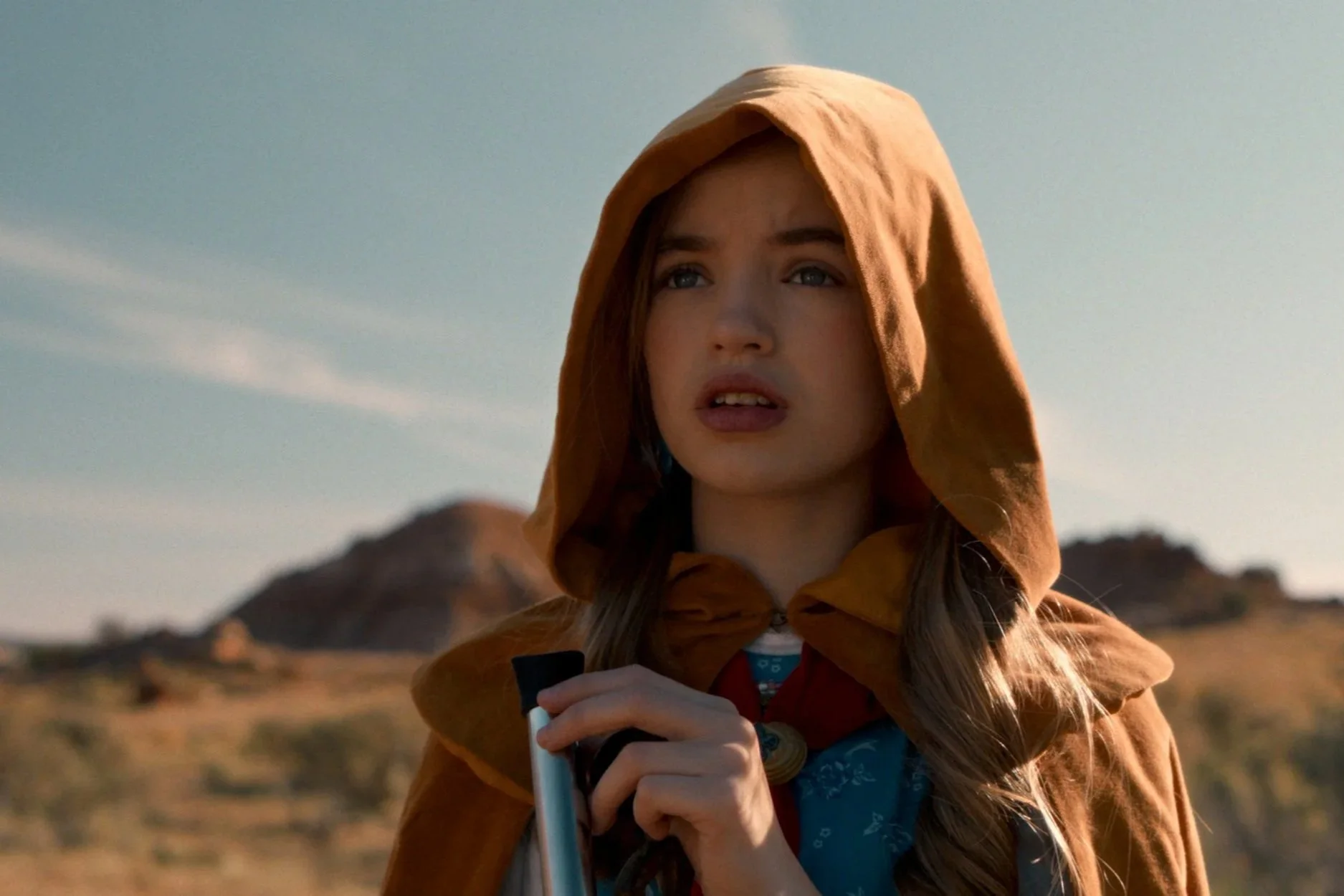
For a girl gone missing, Holly Wheeler has far too much screen time. There is nothing fundamentally wrong with her character, nor Nell Fisher’s performance, but it is another baffling decision to age-up a non-speaking background character who should have canonically been seven years old and give her more of a focus than the majority of the 18-person main cast.
Courtesy of Netflix
Not-so-rockin’ Robin
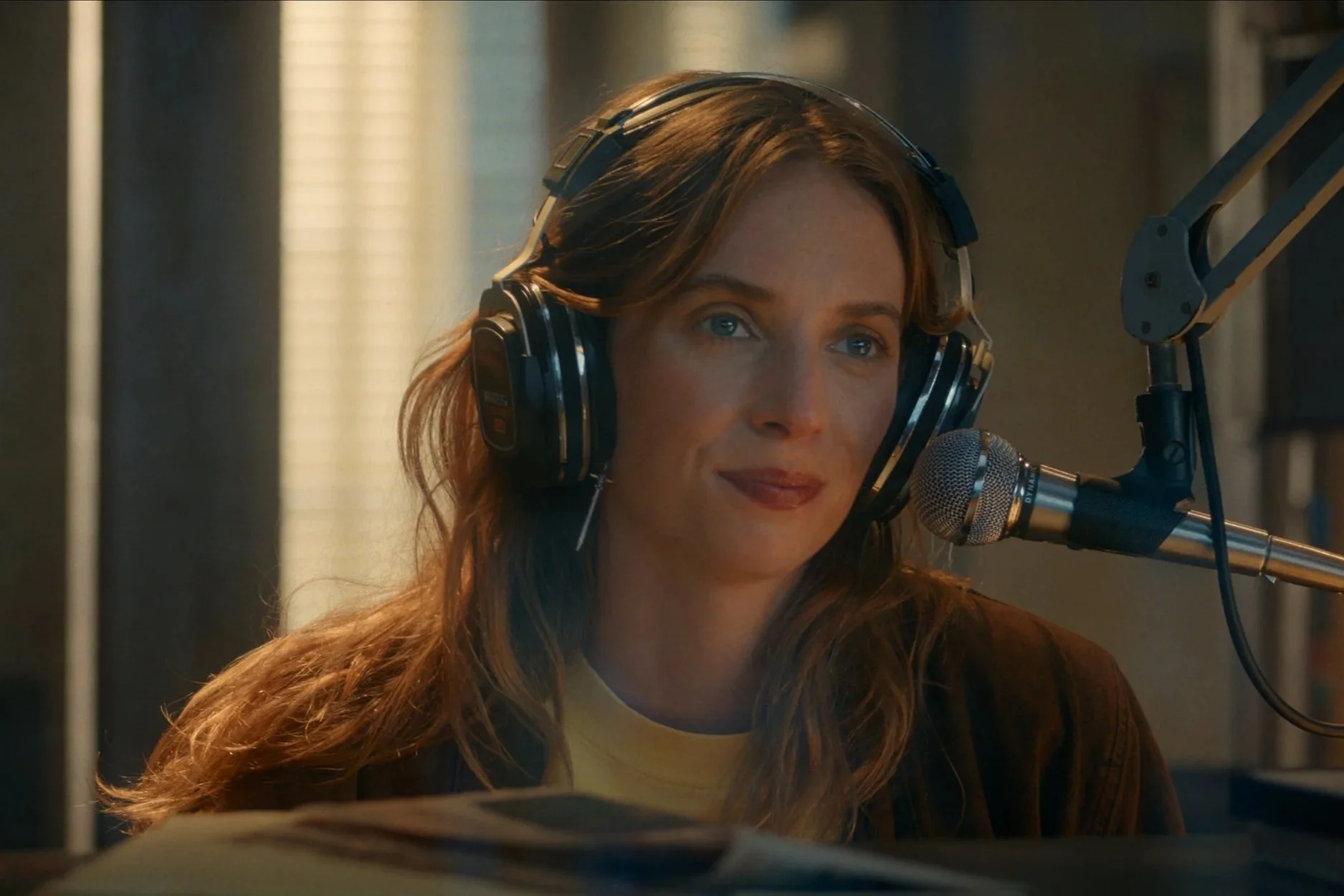
Pre-Season 5, The Duffers had a remarkably strong track record of adding exciting new characters into the mix (Max, Billy, Murray, Bob, Eddie, Argyle), and Robin certainly fell into that category. Her status as a neurodivergent lesbian in a major franchise viewed across the globe is noteworthy, boundary-breaking representation, but in the final batch of episodes, Robin has become a one-dimensional stock character. The Duffers underserve a Robin, failing to give her any layers besides her sexuality and her neurodivergence, and the portrayal of the latter aspect feels somewhat inauthentic because of the complete disappearance of her playfully snarky demeanour in Stranger Things 3. The counter-argument is that Robin was masking her neurodivergence in that season, but she was put through the wringer and injected with truth serum by the Russians, so it stands to reason that we would have at least seen flashes of her more genuine self.
Courtesy of Netflix
Writing for convenience
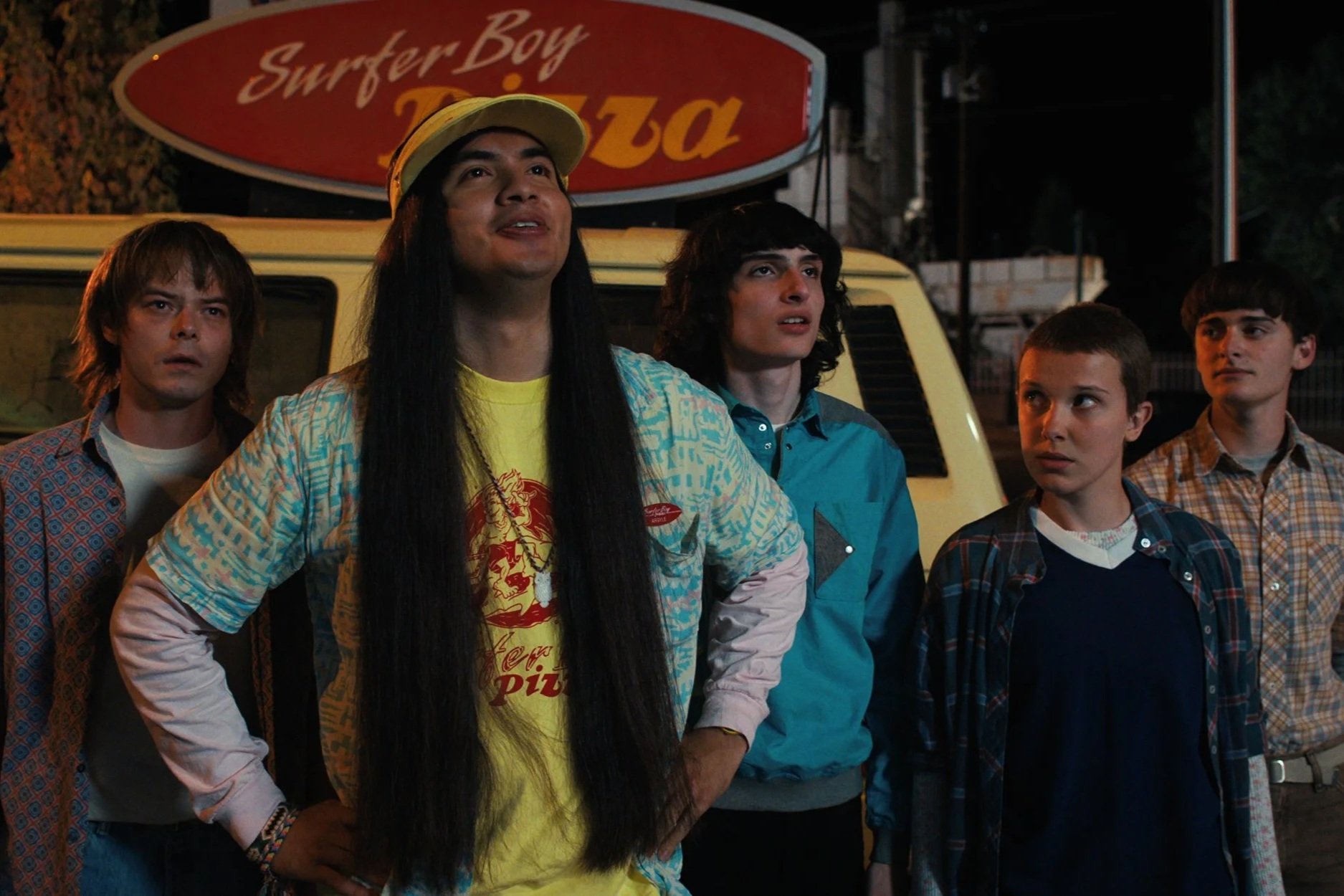
Yes, Stranger Things is a fantasy series that requires a certain suspension of disbelief, but there has always been a consistency in the narrative’s internal logic. Aside from the gaping plot holes, Season 5 finds the Duffer Brothers wilfully writing off characters and neglecting their own established canon without bothering to give their audience an explanation. An excellent comic relief character from Season 4, Argyle is written off without explanation, despite being in Hawkins when the ‘earthquake’ happens and having helped the California-based crew temporarily defeat Vecna. It makes sense that he wouldn’t return, given the bloated cast, and that he would go back to California if he could escape the quarantine zone before it was strictly enforced, but neglecting to address the disappearance of a main crew member is another careless decision. A more egregious offence is the vanishing of Max’s mother—as actress Jennifer Marshall put it in an Instagram post after the finale, “What kind of mother isn’t there for her child while she’s in the hospital?” A brief conversation between her and Lucas as they wait beside Max’s bed would have been an excellent moment to explore the complex grief of Max being in an unexplained coma for a year and a half. Not to mention, again, the decision to age-up Holly Wheeler.
Courtesy of Netflix
The Duffer Brothers’ press tour
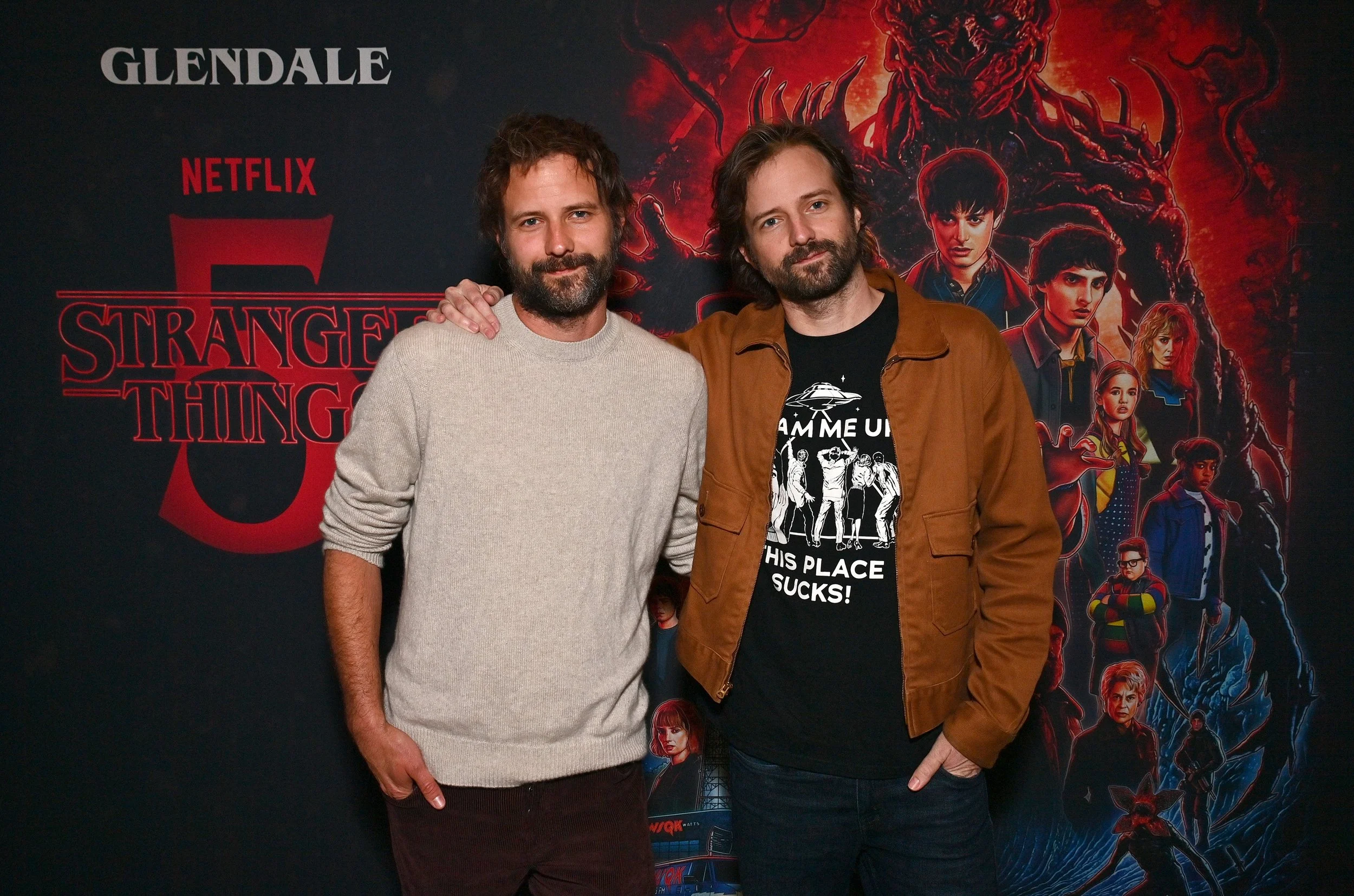
With Stranger Things originating as a mystery, its devoted fandom has spent nine years looking for clues and anxiously waiting for lingering questions to be answered. Season 5 has not only refused to answer many of those questions, but has left fans confused by a series of plot holes, which only become more frustrating considering the Duffer Brothers’ vague responses in post-finale interviews that suggest a fundamental lack of consideration for the mythos they had so delicately built up for nearly a decade. Why were there no Demogorgons in the Abyss ready to help defend the Mind Flayer? The Duffers state that they were there somewhere, and Vecna was just surprised by the “sneak attack” on his home base. Why did Vecna need to kidnap 12 children? The Duffers have said that there is “no specific reason”. What happened to some of the main cast, like Murray? The Duffers simply do not know.
Courtesy of Netflix
How did we get here?
The most vexing part of watching Stranger Things 5 is that its issues are rooted in one of its greatest strengths: the writing. For Seasons 1 through 4, the Duffer Brothers have consistently excelled at dividing screen time across a sprawling cast, before an interconnected story ultimately draws the whole gang together. They had character pairings that felt both utterly surprising and organic, like Dustin’s chance encounter with Steve in Season 2, which led to an endearing friendship, or Billy’s (Dacre Montgomery) ill-fated romance with Karen Wheeler (Cara Buono). That scene when Billy and Karen first meet after she’s reading a romance novel in the bath is a masterclass in unexpected writing and delicately balancing tones (it’s a comedic respite in the middle of the action-packed Season 2 finale, after all), and it’s the kind of fun, adventurous storytelling that Season 5 doesn’t go remotely near.
The Duffers also did a great job of raising the stakes year after year, with Stranger Things 4 a dark, horror-heavy season, in which Vecna’s eye-bleeding, bone-breaking antics put the whole of Hawkins under constant threat. It is easy to see what went wrong in Season 5, but it is near impossible to understand how such exciting storytellers abandoned their principles to make such a muddled and underwhelming season of television. When the 1989 epilogue begins after a rushed final battle, it’s emotional viewing not only because we’re bidding goodbye to these characters, but because it feels like a return to the strengths of a once-great TV show.
Stranger Things Sticks the Landing — but Only After a Disastrous Final Season
Disappointing fans and critics alike, the fifth season of the Netflix series is an overstuffed yet undeveloped conclusion
by Alex Secilmis 4 January 2026
Courtesy of Netflix
After nine years, Stranger Things has come to a close. The 80s-set sci-fi horror series, the most-viewed TV show in Netflix’s catalogue, concluded with a 2-hour finale that served as a poignant farewell to characters beloved by a massive global fanbase. However, despite the touching ending, the seven preceding episodes are easily the worst in the series, with fans critiquing the inconsistent writing of the creators and showrunners, the Duffer Brothers. Channelling our inner Mr. Clarke, we’re scientifically breaking down what went wrong with the last season of this all-time great series.
Warning: this article contains spoilers for the final episode of Stranger Things
Courtesy of Netflix
Character “deaths”
The bittersweet epilogue, which sees the younger kids graduate and the rest of the Hawkins crew try to move on from the trauma they endured, is a course-correction filled with exactly what this season has sorely lacked: character moments. What began as a masterful ensemble horror mystery devolved into a mess of A-to-B, action-heavy storytelling that ‘killed off’ its characters in the more damning sense: stopping their arcs and treating them as little more than soulless action figures.
The character most affected may well be Nancy Wheeler (Natalia Dyer). After a Season 3 narrative saw her facing misogyny in her career as a journalist—prompting her to investigate on her own with Jonathan (Charlie Heaton), get fired for doing so, and ultimately kill her rude coworker when he’s possessed by the Mind Flayer—Nancy hasn’t had much to do but be a Ripley-type heroine. While Dyer can certainly play the part, the issue is one that has affected most of the main cast this season: watching them battle monsters is uninteresting when the interiority of the character is neglected.
Courtesy of Netflix
The Nancy, Jonathan, and Steve triangle
The end of Nancy’s development actually coincides with the Season 4 revival of a love triangle that the show began with, and placing her between Jonathan (Charlie Heaton) and Steve (Joe Keery) before she eventually ‘chooses herself’ isn’t the progressive storyline the Duffers think it is. Coming to terms with Nancy’s independence punctuates all three of their arcs, but it rings hollow because her wants and needs have barely been explored in the last two seasons. In the end, the undercooked love triangle comes at the expense of the development of all three characters.
Courtesy of Netflix
Girl, Interrupted
Speaking of interrupted arcs, by Season 5, Joyce Byers (Winona Ryder) has been entirely de-centred. Considering that the show worked best as a character-driven mystery with her at the lead, it’s painful to see an actor of Ryder’s calibre be reduced to a passenger to the plot. Stranger Things 5 sees Joyce learning to trust Will after understandably wanting to overprotect him, but anything in her emotional spectrum outside of that relationship is sidelined. Ryder’s main job this year is to merely react to Will’s evolution into a sorcerer, and while the climactic moment when she beheads Vecna is well-earned in the context of the whole series, it would have carried far more weight if she had been awarded a more layered storyline this season.
Courtesy of Netflix
Purple Rain
In one of the Duffer Brothers’ most bizarre choices, Mike and El have hardly any screen time together, leading fans to speculate that they broke up offscreen between seasons. From Season 1, theirs is ostensibly the show’s central relationship, something that the Duffers only seem to remember in a climactic good-bye scene in The Void set to Prince’s “Purple Rain”. Because they have barely interacted in the previous seven episodes, the scene relies on clips from the first four seasons for its emotional heft.
Moreover, Mike, in particular, has been sidelined since Season 3. He was clearly positioned as the ‘lead kid’ at the beginning of the show and the heart of the friend group, but in Stranger Things 5, like Joyce, he feels like a bystander to the action.
Courtesy of Netflix
Vecna defanged
Watching Jamie Campbell Bower as Vecna this season is a frustrating endeavour. He’s an actor at the height of his powers with a wildly menacing presence, but his performance is consistently undermined by a confused script that nullifies Vecna’s threat. In Season 4, the series’ big bad was ruthless, killing his victims after making their eyes bleed and their bones crack. Now, he spends most of his time as an evil Mr. Rogers to a group of kidnapped children in a plot line that never manages to be as chilling as it should be, while his incapacity to kill a single one of the ensemble this season lowers the stakes significantly.
Courtesy of Netflix
Will coming out
Will’s coming-out scene has drawn heavy criticism, but making the character’s sexuality a central part of his arc this season isn’t the problem. His queerness has always been a factor, playing an especially poignant role in Season 3 when he starts to feel ostracised from his friend group as they split up into romantic pairings. Instead, the issue is clumsy, inauthentic writing that ultimately objectifies Will’s queerness to make a point about ‘outsiders’ accepting each other. When each of Will’s friends and family declares their support for him, fans have aptly noted an unsavoury similarity to the Marvel Cinematic Universe, where a scene that should have been grounded and intimate ends up feeling implausible and over-polished.
Courtesy of Netflix
The “vanishing” of Holly Wheeler
For a girl gone missing, Holly Wheeler has far too much screen time. There is nothing fundamentally wrong with her character, nor Nell Fisher’s performance, but it is another baffling decision to age-up a non-speaking background character who should have canonically been seven years old and give her more of a focus than the majority of the 18-person main cast.
Courtesy of Netflix
Not-so-rockin’ Robin
Pre-Season 5, The Duffers had a remarkably strong track record of adding exciting new characters into the mix (Max, Billy, Murray, Bob, Eddie, Argyle), and Robin certainly fell into that category. Her status as a neurodivergent lesbian in a major franchise viewed across the globe is noteworthy, boundary-breaking representation, but in the final batch of episodes, Robin has become a one-dimensional stock character. The Duffers underserve a Robin, failing to give her any layers besides her sexuality and her neurodivergence, and the portrayal of the latter aspect feels somewhat inauthentic because of the complete disappearance of her playfully snarky demeanour in Stranger Things 3. The counter-argument is that Robin was masking her neurodivergence in that season, but she was put through the wringer and injected with truth serum by the Russians, so it stands to reason that we would have at least seen flashes of her more genuine self.
Courtesy of Netflix
Writing for convenience
Yes, Stranger Things is a fantasy series that requires a certain suspension of disbelief, but there has always been a consistency in the narrative’s internal logic. Aside from the gaping plot holes, Season 5 finds the Duffer Brothers wilfully writing off characters and neglecting their own established canon without bothering to give their audience an explanation. An excellent comic relief character from Season 4, Argyle is written off without explanation, despite being in Hawkins when the ‘earthquake’ happens and having helped the California-based crew temporarily defeat Vecna. It makes sense that he wouldn’t return, given the bloated cast, and that he would go back to California if he could escape the quarantine zone before it was strictly enforced, but neglecting to address the disappearance of a main crew member is another careless decision. A more egregious offence is the vanishing of Max’s mother—as actress Jennifer Marshall put it in an Instagram post after the finale, “What kind of mother isn’t there for her child while she’s in the hospital?” A brief conversation between her and Lucas as they wait beside Max’s bed would have been an excellent moment to explore the complex grief of Max being in an unexplained coma for a year and a half. Not to mention, again, the decision to age-up Holly Wheeler.
Courtesy of Netflix
The Duffer Brothers’ press tour
With Stranger Things originating as a mystery, its devoted fandom has spent nine years looking for clues and anxiously waiting for lingering questions to be answered. Season 5 has not only refused to answer many of those questions, but has left fans confused by a series of plot holes, which only become more frustrating considering the Duffer Brothers’ vague responses in post-finale interviews that suggest a fundamental lack of consideration for the mythos they had so delicately built up for nearly a decade. Why were there no Demogorgons in the Abyss ready to help defend the Mind Flayer? The Duffers state that they were there somewhere, and Vecna was just surprised by the “sneak attack” on his home base. Why did Vecna need to kidnap 12 children? The Duffers have said that there is “no specific reason”. What happened to some of the main cast, like Murray? The Duffers simply do not know.
Courtesy of Netflix
How did we get here?
The most vexing part of watching Stranger Things 5 is that its issues are rooted in one of its greatest strengths: the writing. For Seasons 1 through 4, the Duffer Brothers have consistently excelled at dividing screen time across a sprawling cast, before an interconnected story ultimately draws the whole gang together. They had character pairings that felt both utterly surprising and organic, like Dustin’s chance encounter with Steve in Season 2, which led to an endearing friendship, or Billy’s (Dacre Montgomery) ill-fated romance with Karen Wheeler (Cara Buono). That scene when Billy and Karen first meet after she’s reading a romance novel in the bath is a masterclass in unexpected writing and delicately balancing tones (it’s a comedic respite in the middle of the action-packed Season 2 finale, after all), and it’s the kind of fun, adventurous storytelling that Season 5 doesn’t go remotely near.
The Duffers also did a great job of raising the stakes year after year, with Stranger Things 4 a dark, horror-heavy season, in which Vecna’s eye-bleeding, bone-breaking antics put the whole of Hawkins under constant threat. It is easy to see what went wrong in Season 5, but it is near impossible to understand how such exciting storytellers abandoned their principles to make such a muddled and underwhelming season of television. When the 1989 epilogue begins after a rushed final battle, it’s emotional viewing not only because we’re bidding goodbye to these characters, but because it feels like a return to the strengths of a once-great TV show.