Saccharine Review: Queer Body Horror is an Unnerving Weight-Loss Parable
Recently acquired by IFC and Shudder, the latest feature from Relic director Natalie Erika James stars Midori Francis (Grey’s Anatomy)
Words by Alex Kaan 4 February 2026
Courtesy of Sundance Institute
The body horror boom of the 2020s was to be expected. As conventional diet culture intertwines with the superficial currency of social media and dating apps, the subgenre has reared its misshapen head in everything from Netflix thrillers (It’s What’s Inside) to Oscar-winning satires (The Substance). A thorny topic that this current wave hasn’t broached yet is the current state of weight-loss drugs. That is, until Saccharine.
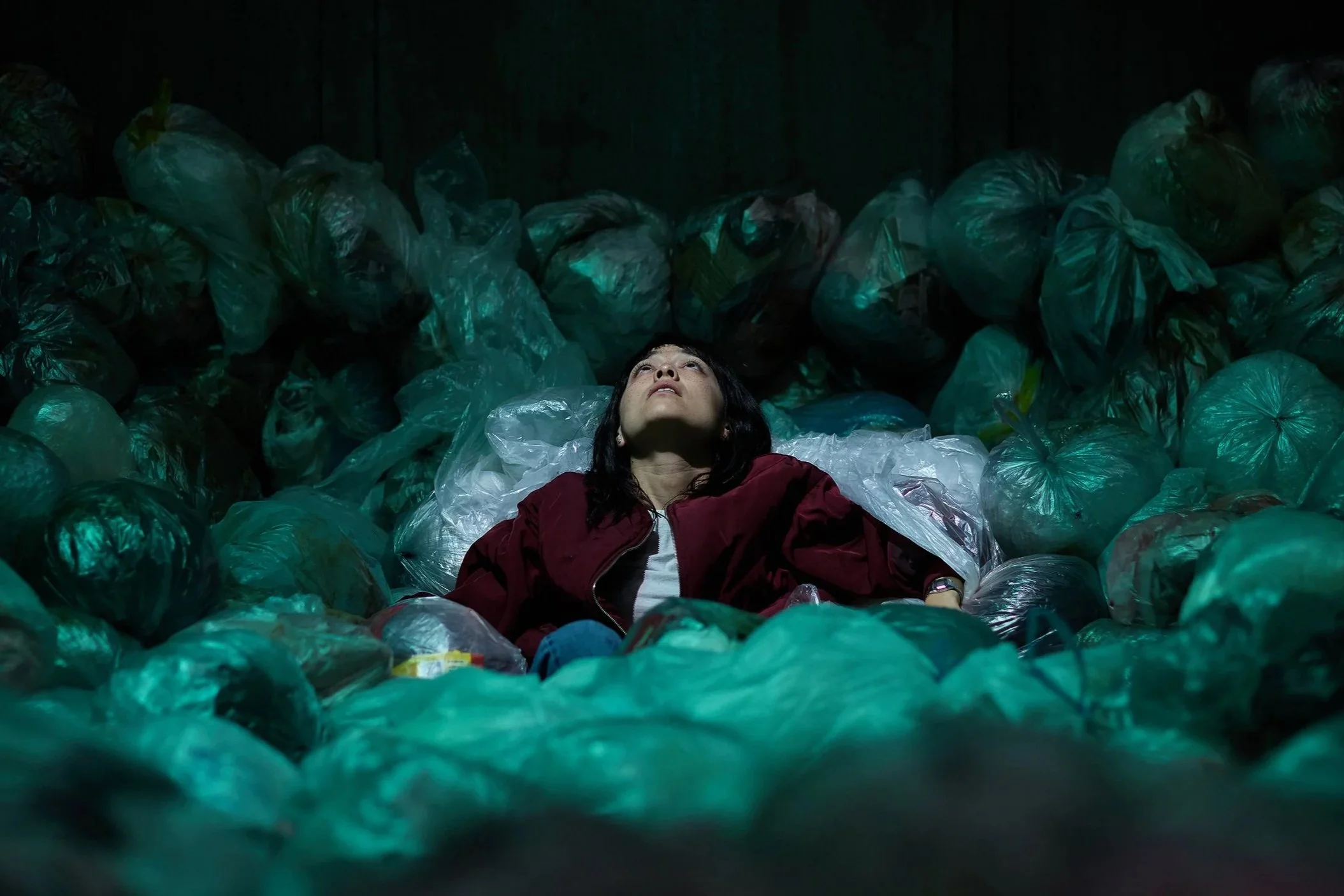
Where her Sundance debut Relic explored dementia through a haunted house film, Aussie director Natalie Erika James (Apartment 7A) returns to the festival to tackle the Ozempic era head-on with Saccharine’s gnarly premise: a young med student is possessed after taking miraculous diet pills made of human ash. Struggling with binge-eating, mild-mannered Hana (Midori Francis) decides to join a 12-week workout program after crushing on the instructor, Alanya (Madeleine Madden). Her friend Josie (Danielle Macdonald) suggestively asks her, “Have you figured out whether you want to be with her, or just be her?” Simultaneously, she runs into an old schoolmate (Annie Shapero) who—after Hana initially doesn’t recognise her because of her dramatic weight loss—gifts her a pricey off-market drug. When Hana goes to extreme lengths to replicate the medication once she discovers its disturbing key ingredient, she finds herself haunted by the ghost of the dead body she has been ingesting.
Courtesy of Sundance Institute
More traditionally unsettling than the comedy-tinged satire of The Substance or The Beauty, Saccharine is a gripping exercise in dread that rivals its best body horror contemporaries for raw genre thrills. The first half especially is a tightly-paced anxiety trip defined by stylish montages that blend scenes of Hana eating, exercising, and masturbating, uncannily soundtracked by Hannah Peel’s chugging, rhythmic score. It’s arresting viewing that foregrounds the interwoven elements of Hana’s psyche to make for an effective character study, and the commentary is sharp too. As Hana scrolls on TikTok, she sees everything from fitness influencers to body positivity to farcical trends like the “potato masher challenge”, where women try to fit their whole arm through the kitchen utensil to prove how slim they are.
While the film maintains a well-crafted sense of unease throughout, its narrative begins to unravel in the latter half. There are simply too many ideas at play, from allusions to the hungry ghosts of Hana’s Asian heritage to the generational trauma of unhealthy relationships with food. These are interesting plot points worth exploring, but they don’t fit together cohesively in James’ busy, ambitious script. Moreover, the clumsily underlined reveal of Hana’s significantly overweight father (Robert Taylor in a fat suit) further complicates the film’s message. While James has spoken about how her father struggled with food addiction, the representation here feels like an inauthentic, borderline exploitative plot device.
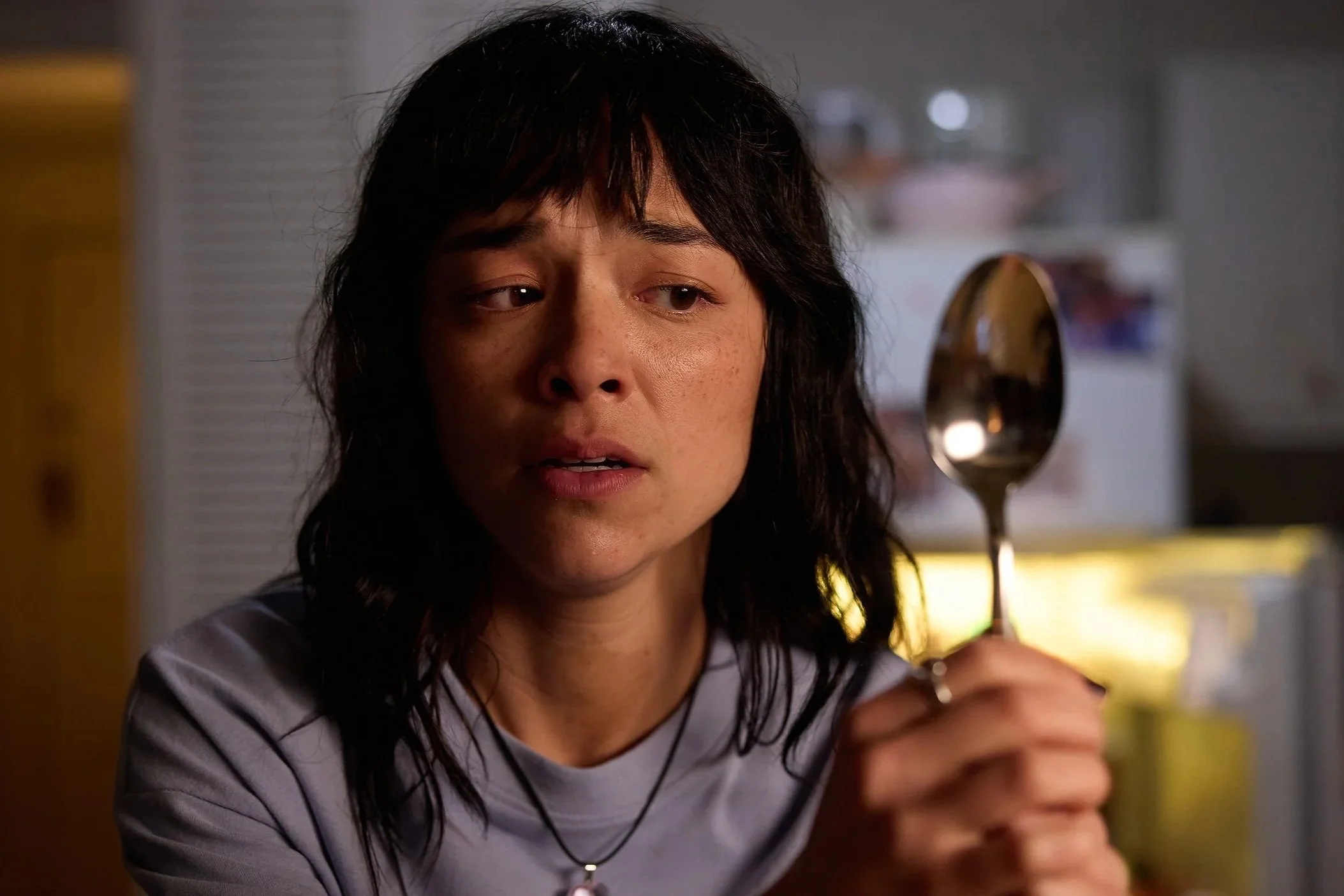
Meanwhile, storylines get dropped and picked up again—like Hana’s obsessive relationship with Alanya, which remains one of the film’s highlights. Still, even when the film lags, the absurd psychodrama of Saccharine is anchored by a formidable Midori Francis, who stars in nearly every scene. Whether expressing her protagonist’s lust, anxiety, queer longing, or sheer terror, she delivers an absorbing performance of relentless intensity.
While an overwrought script leaves Saccharine with a muddled message at its core, at its best, Natalie Erika James’ return to independent cinema is engrossing psychological body horror and a disquieting reflection of modern diet culture.