15 Black Queer Horror Characters You Should Know
An introductory list spanning film, TV, and literature from Interview with the Vampire to Lovecraft Country
by Mark O. Estes 27 February 2026
© AMC
Black History Month has long been an opportunity to showcase the achievements of Black characters in the horror genre. These tributes usually come in listicles featuring Black directors, films, books, and so on. But rarely, if not ever, do Black queer characters get a chance to shine during the month. They may appear on some of the lists mentioned above, or even in some of those Black horror films of note, but it’s worth celebrating this intersectional minority because Black queer history is Black history.
Before we leave Black History Month behind, I’ve assembled an introductory, stand-out list of Black queer characters in the horror genre, a group that is significantly growing in numbers and further populating our screens. This isn’t a slight to any of the other Black queer individuals that I’ve covered before. I regard the entire Black queer horror canon as a family of sorts—like cousins you love from afar—and I will still put my verbal hands on anyone who slights them. Whenever we discuss Black representation in horror, these 15 characters deserve their flowers alongside their heterosexual counterparts.
Warning: Spoilers ahead for the media mentioned
Bobby McCoy (Blacula, 1972)
© American International Pictures
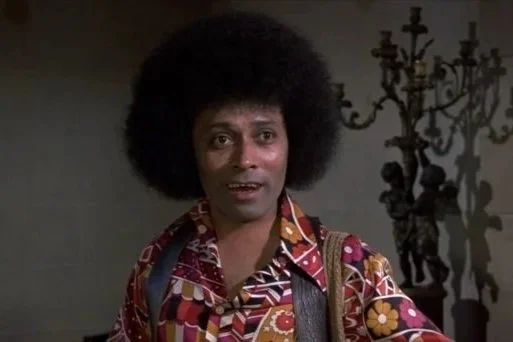
Bobby McCoy (portrayed by Ted Harris) is widely considered the first openly queer Black character to ever be shown in a horror film. Bobby ran a successful decorating business with his white partner and served as the catalyst for Blacula’s arrival in the streets of Los Angeles. Turned into a vampire, Bobby wastes little time in luring unsuspecting victims to their deaths in the alleys of the City of Angels. He’s the originator in my book, with Carla Brait’s Ursula in the 1973 giallo Torso a close second.
Jeryline (Tales from the Crypt Presents Demon Knight, 1995)
© Universal
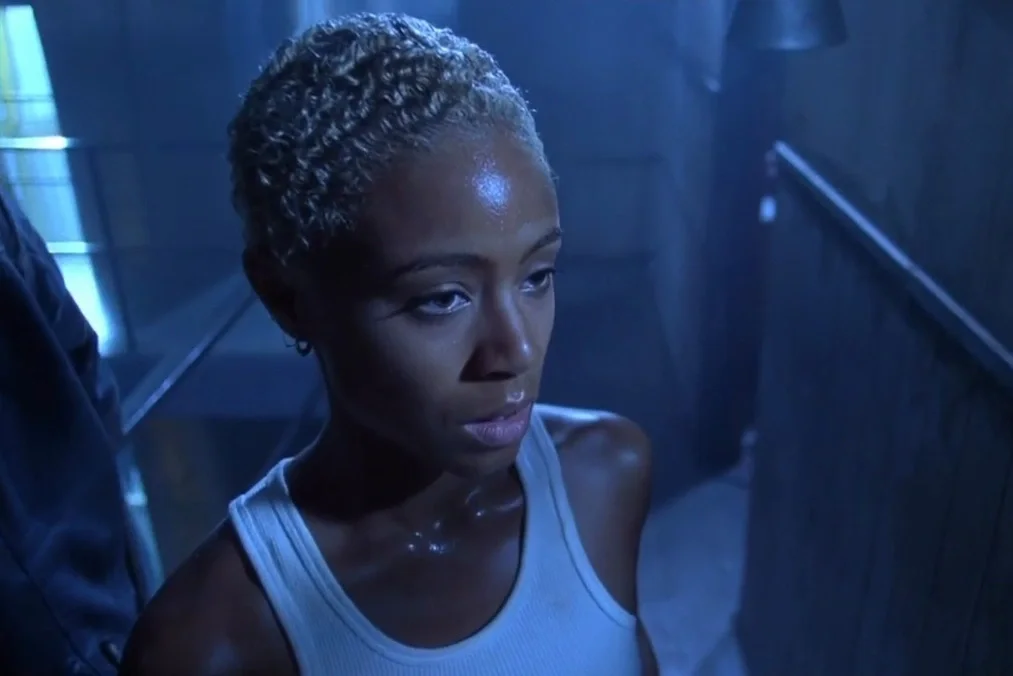
I would have never considered adding Jada Pinkett Smith’s Jeryline to the list, because I was initially ignorant of her “queerness”. She never shows any romantic interest in any other character (mainly because she didn’t want to be there to begin with). It wasn’t until talking to other queer horror fans from various backgrounds that I learned Jeryline was an icon for lesbians and others in the queer community. This may be why I loved her so much growing up, outside of being my favourite Black final girl in horror history.
Mindy Meeks-Martin (Scream franchise, 2022-2026)
© Paramount
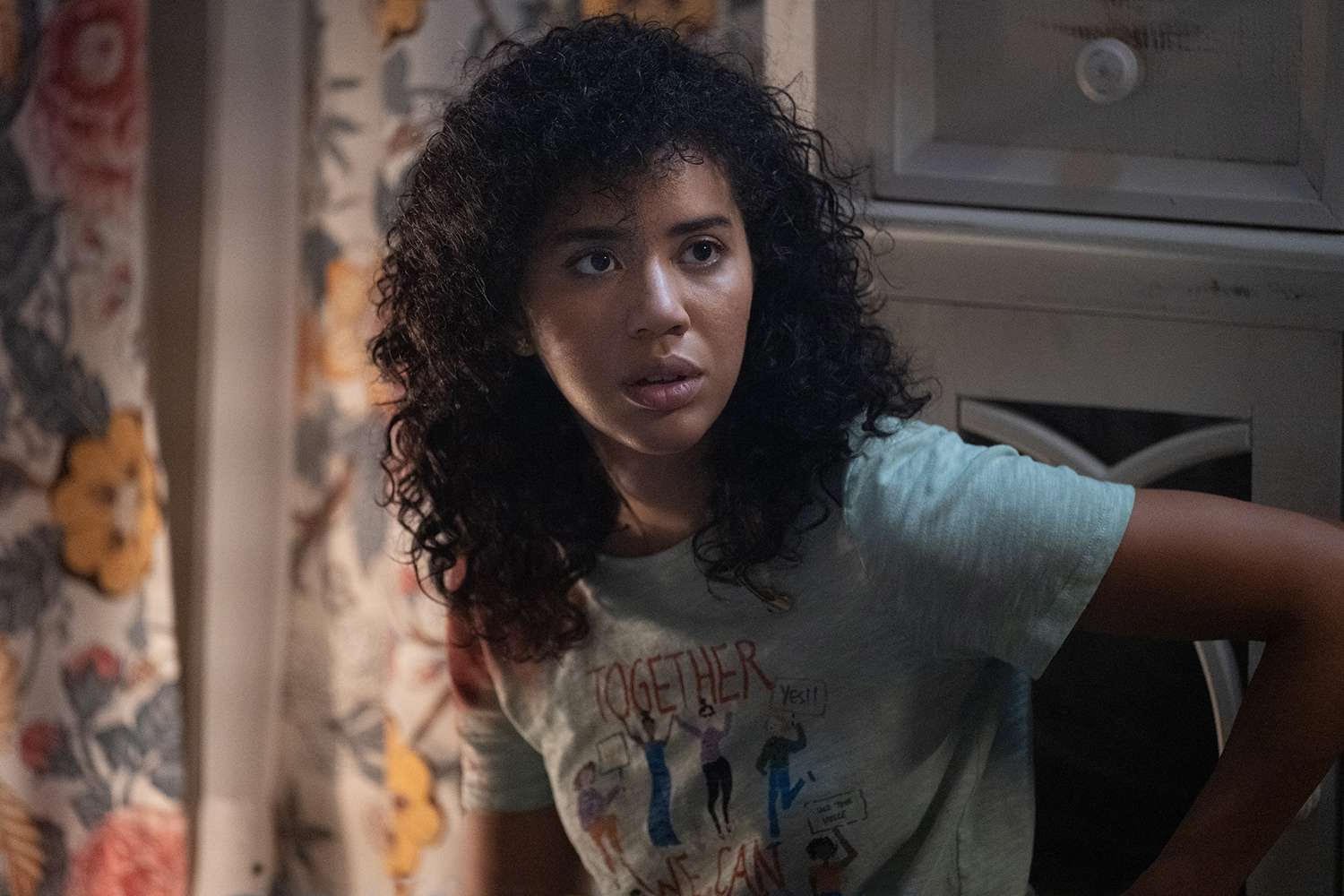
I won’t entertain any slander about Mindy Meeks-Martin. Played by the phenomenal Jasmin Savoy Brown, Randy Meeks’ niece is one of my favourite characters in the Scream series because she’s a proud lesbian, a proud Black woman, and a proud horror fan. That’s quite the trifecta for this genre—not to mention that Jasmin Savoy Brown has just confirmed that the character now goes by she/they pronouns. Mindy represents Black queer horror fans of this series and the wider genre in general, and the fact that her presence irks so many within the fanbase is telling on so many levels. She is our Black queer horror ancestors’ dream come true, and we must protect her—and her twin Chad (Mason Gooding)—at all costs.
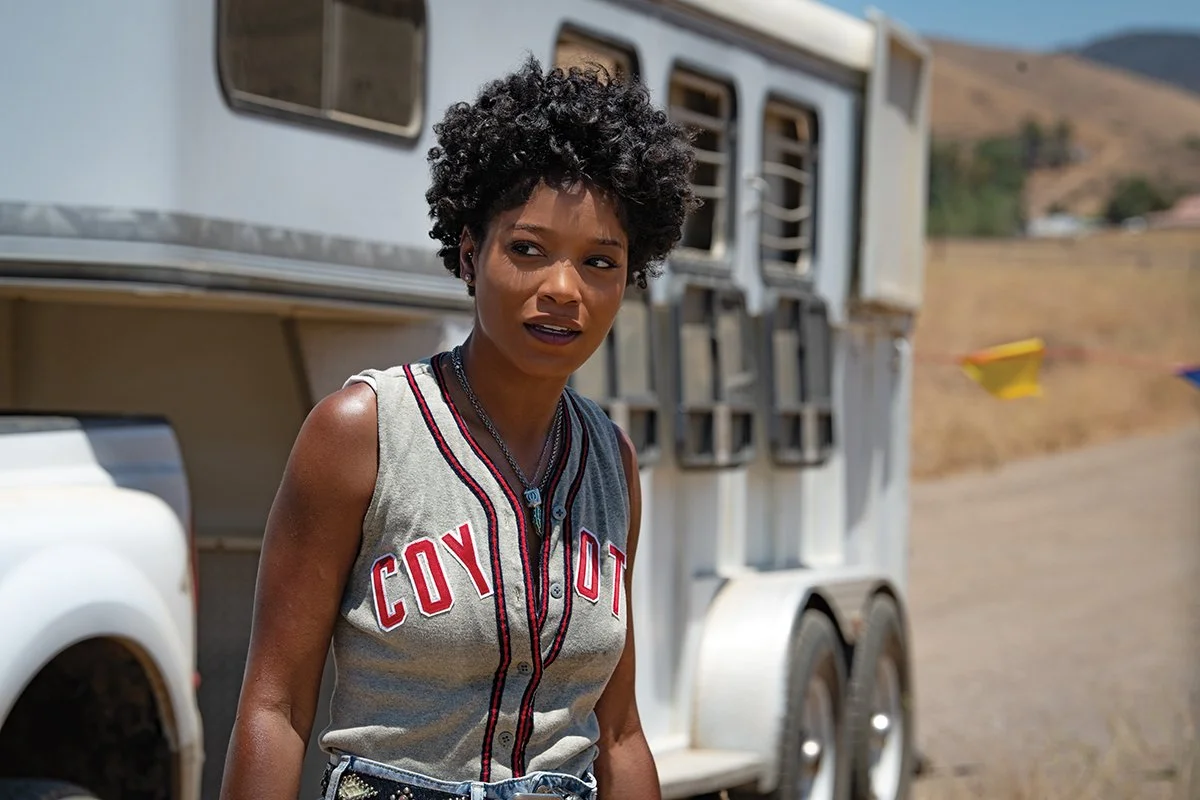
Emerald “Em” Haywood (Nope, 2022)
© Universal
Keke Palmer’s portrayal of the messy yet lovable Em Haywood in Jordan Peele’s Nope was a breath of fresh air. You don’t have to be pristine from head to toe when it comes to good representation, and we always rooted for Em because we knew where her heart was. Emerald stands out because she reminds me of my own sister and how, despite our differences, we will throw hands together when needed—and we both love each other fiercely.
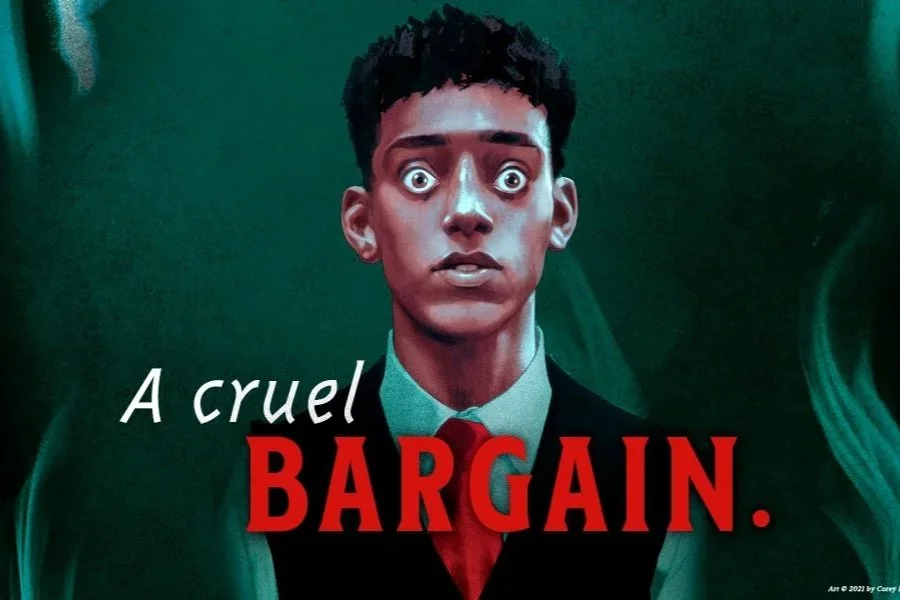
Jake Livingston (The Taking of Jake Livingston, 2021)
© Andersen Press
The current state of YA fiction is a blessing. If I had had the representation at my age that the teens of today do, my queer journey may have taken a different path. I say this to say, “Thank you!” to Ryan Douglass, the author of The Taking of Jake Livingston, for giving the Black queer boys (and others) a horror icon to look up to in the titular teenage medium surrounded by ghosts at St. Clair prep. Reading the novel, a social thriller billed as Get Out meets Holly Jackson, I got emotional throughout—it felt as if someone had tapped into my memories of not belonging growing up, and Douglass does a great job of making Jake so relatable with his desire to be “normal” in a world that doesn’t love you for being you. Plus, the author makes sure to give Jake a Black love interest, which is just the chef’s kiss for this avid reader.
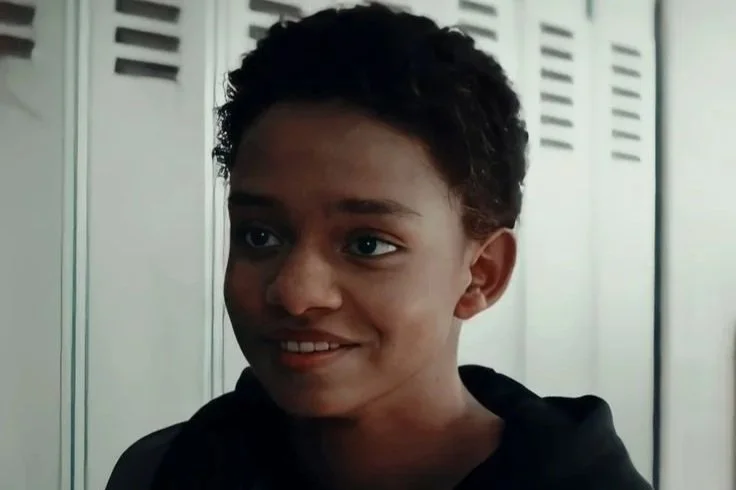
Devon Evans (Chucky, 2021-2024)
© Syfy
If Mindy Meeks-Martin is our Black queer horror ancestors’ dream come true, the same must go for Devon Evans (Bjorgvin Arnarson). Unlike his white love interest, who starts the show proudly gay, Devon falls for Jake (Zackary Arthur) throughout the course of the first season while his detective mother (Rachelle Casseus) investigates Jake for the bodies Chucky leaves in his path. When Devon finally reveals his love for Jake to his mom, she essentially states that she doesn’t give a damn about Devon being gay—just as long as his boyfriend doesn’t get him killed or caught up in his mess. It’s the type of acceptance that a lot of Black queer kids of my generation and before needed, and I was so glad to see it showcased in a show about a horror villain so continuously embraced by the Black community. Again, representation is everything, which is why it’s sad the show was abruptly cancelled, and young Black queer horror fans no longer have someone like Devon.
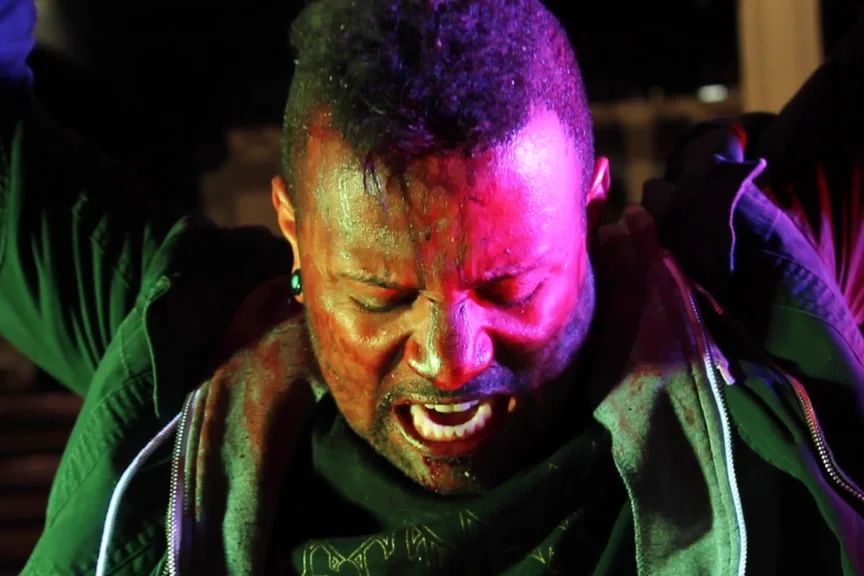
Dwayne (Death Drop Gorgeous, 2020)
© Dark Star Pictures
Wayne Gonsalves’ Dwayne in drag-themed slasher Death Drop Gorgeous is on this list because he could have easily been knocked off by the homicidal drag queen slashing up the competition. Instead, my guy ended up not only besting the killer, but he was the last person standing, giving us one of the few Black queer Final Boys ever.
Louis de Pointe du Lac (Interview with the Vampire, 2022–)
© AMC
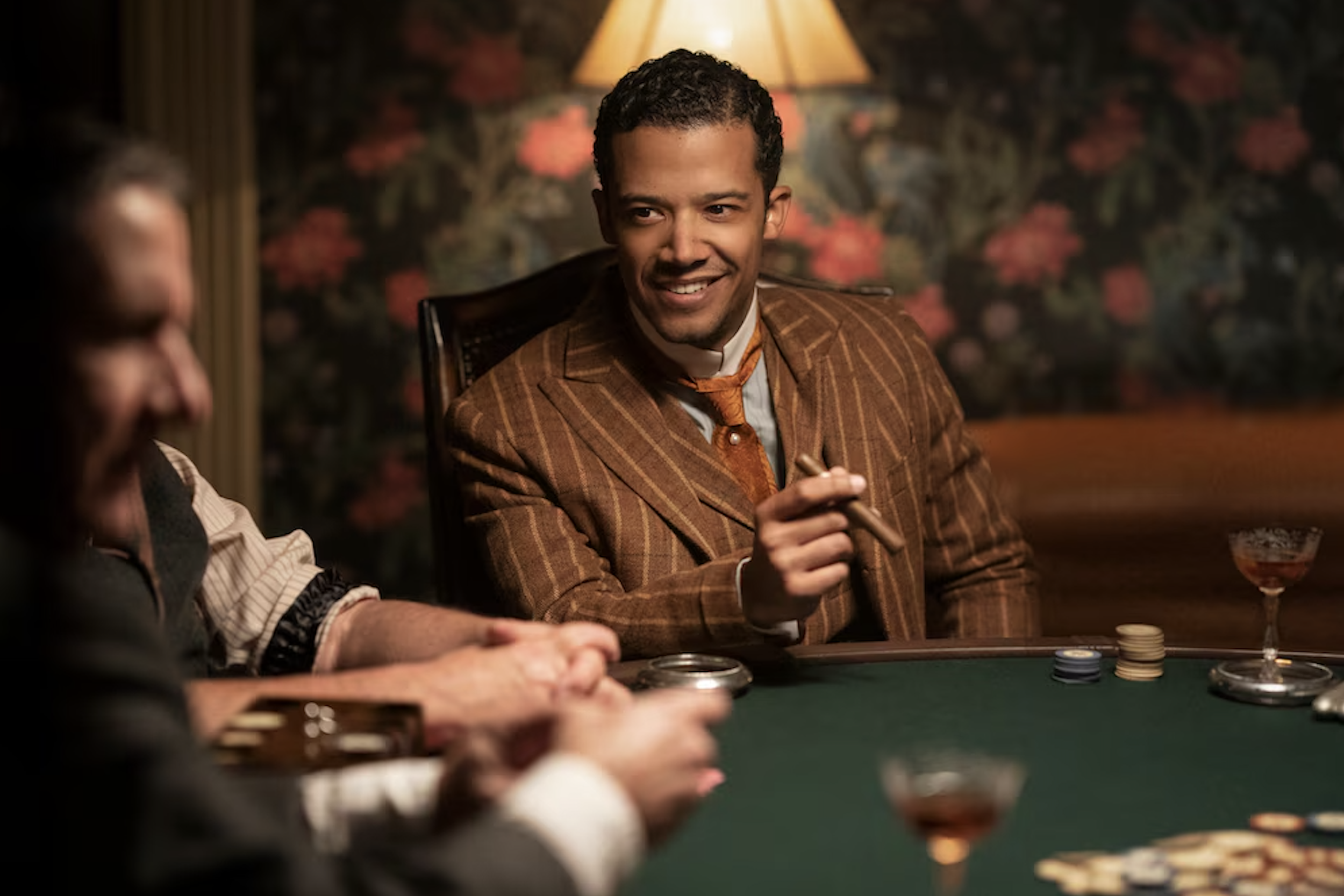
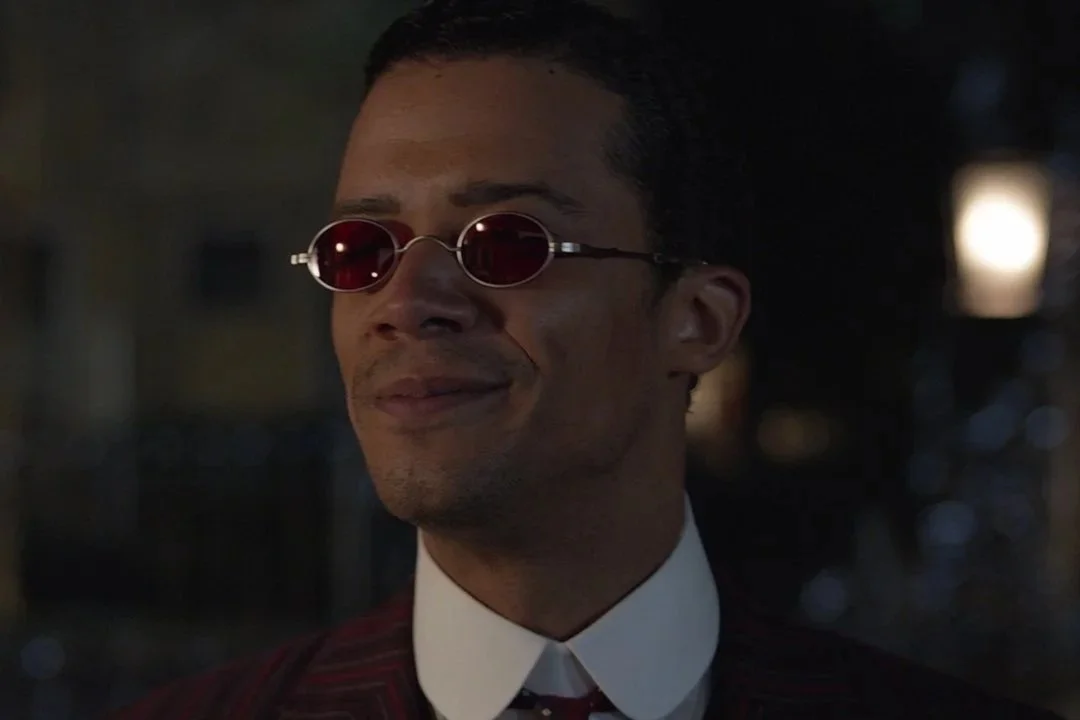
When it was announced that Game of Thrones actor Jacob Anderson was going to play the role of Louis, the titular character in Interview with the Vampire, the fandom was pissed, but I was here for it. Not only did Jacob manage to shut those viewers up, he simultaneously brought in new fans to Anne Rice’s Vampire Chronicles who had never read the books nor seen the 1994 film. The discourse surrounding IWTV’s toxic ass relationships ranges from intriguing to downright hilarious, but it’s so passionately discussed because of the intensity and openness of Anderson’s Louis as we see him go from being a closeted Black man in the Jim Crow south era, to accepting his love for Lestat (Sam Reid) and becoming somewhat confident in his skin. Along with not shying away from the homosexual relationship between Louis and Lestat—and later Armand—the show also used the race swap to thoughtfully tackle racial issues, allowing the writers to deliver a new spin on a timeless tale.
Katrina (Vamp, 1986)
© New World Pictures
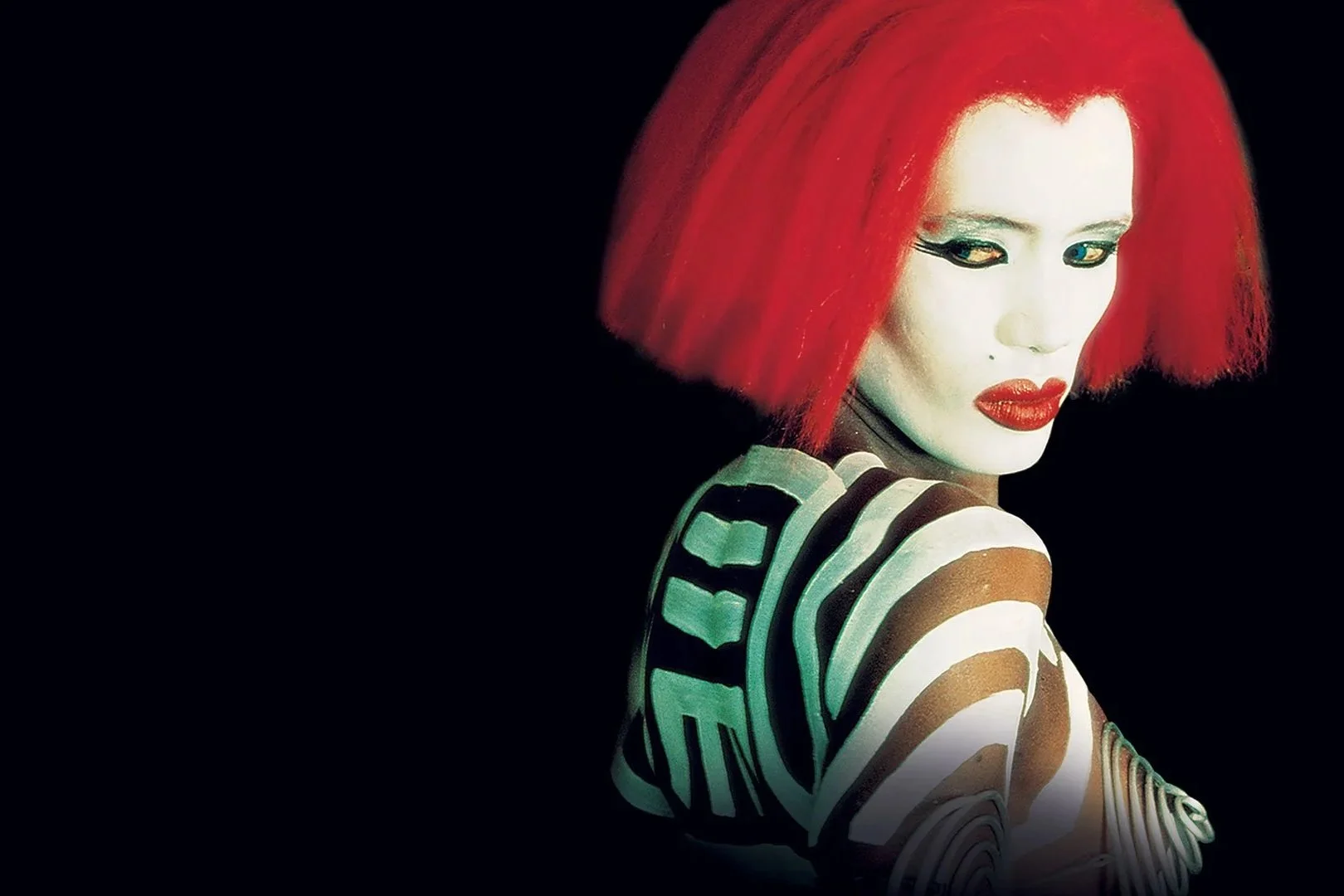
What is queer about Katrina, the vampiric stripper, in Vamp? Grace Jones. That’s it. If you know Grace Jones, you know there’s no putting her in a box when it comes to her identity—and I’m not even going to try it.
Belle - Fright Night Part 2
© Tri-Star Pictures
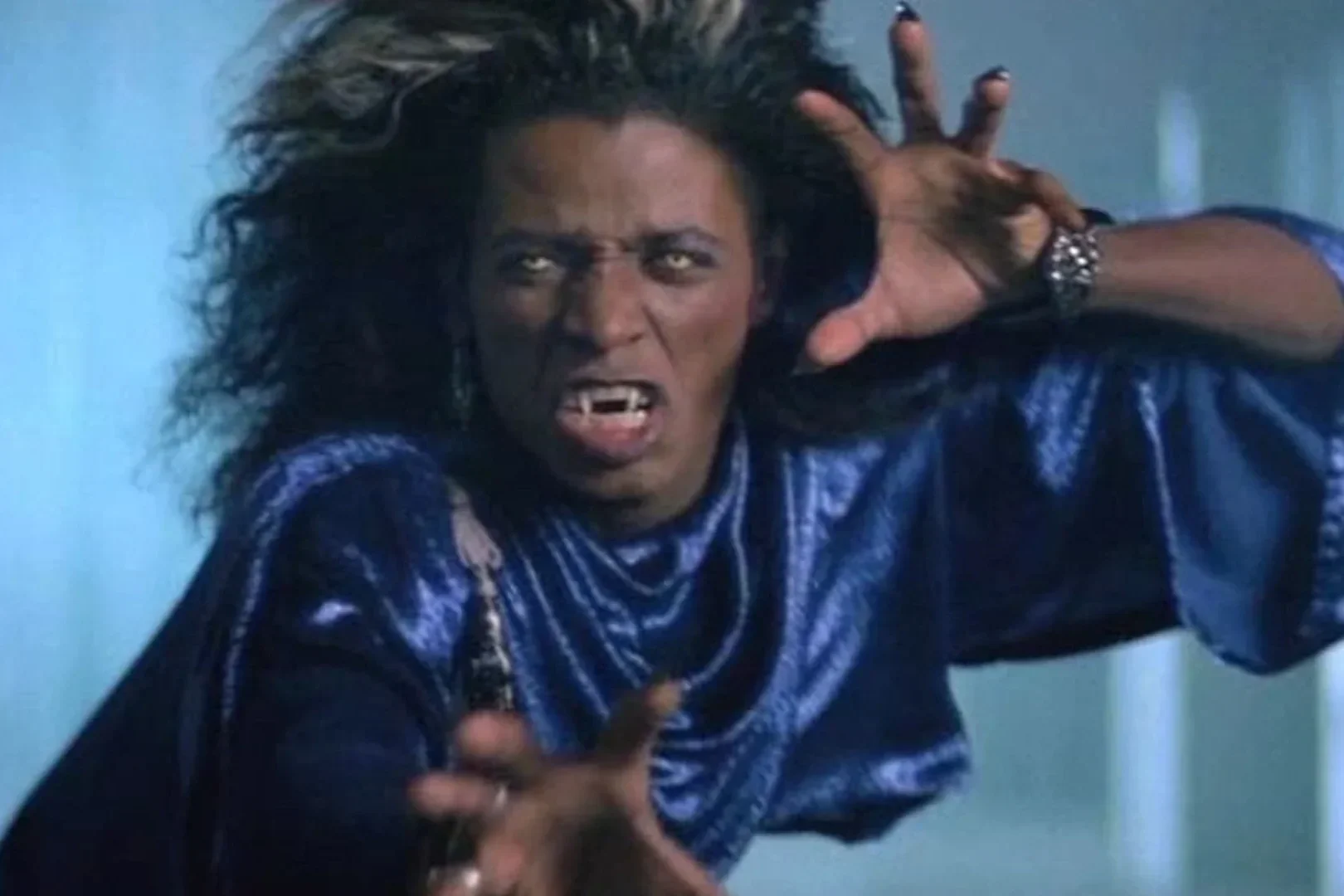
Now y’all know how I feel about Russell Clark’s Belle from Fright Night Part 2. Their genderfuck aesthetic, from the black and grey hair to their exotic fashion sense, not to mention their fondness for roller skates as their hunting gear of choice, is the epitome of uniqueness. There will never be another to do it like Belle. With the 4K finally being released later this year, here’s hoping that a new commentary track and some special features reflect on the lasting effect Belle has had on all these years. I named my new car after them, because the colour matches Belle’s outfit during their first kill in the film. As I stated in Issue 002, Belle is the mascot for my Midnight Social Distortion brand and my guide for all things Black queer horror.
Deena Johnson (The Fear Street Trilogy, 2021)
© Netflix
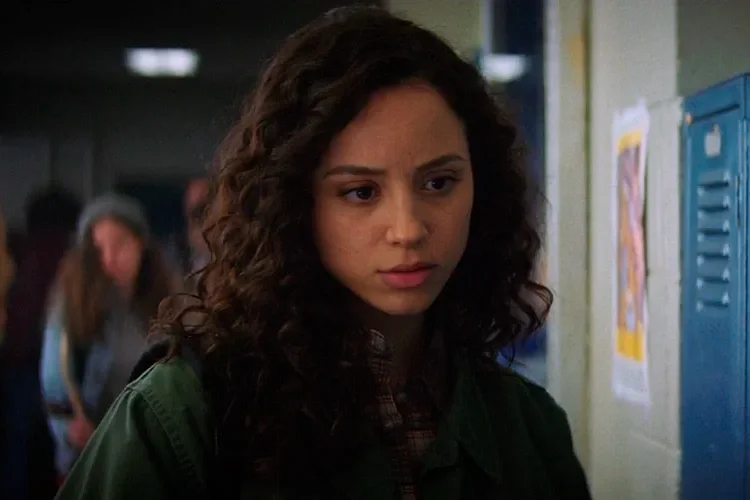
When I heard they were making not one, not two, but a trilogy of Fear Street films, I damn near died. Then, when I found out that the lead was a Black queer teen… Well, you can imagine my excitement. But upon seeing Deena Johnson so damn recklessly in love with her (again, white) love interest to the point that her own flesh and blood brother nearly died in the process, she became unlikable fast. This was rectified by the end of the third film, but the reason she’s on this list is because of her final girl status, Kiana Madeira’s portrayal of her, and the fact that director Leigh Janiak decided to make the character Black and queer in the first place.
Ambrose Spellman (The Chilling Adventures of Sabrina, 2018-2020)
© Netflix
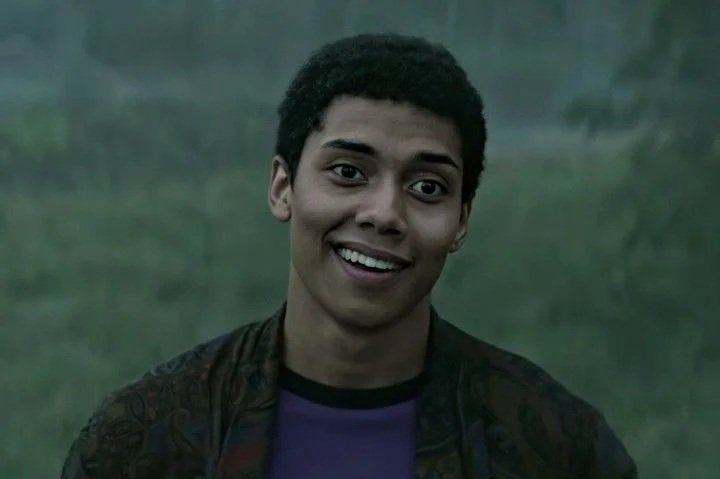
Roberto Aguirre-Sacasa’s Sabrina reboot introduced me to the beauty that was Chance Perdomo as Ambrose Spellman, and life was changed. Not only was Ambrose not a stereotypical magical negro, but he was one of many magically gifted Black people with their own issues and storylines that didn’t always revolve around Sabrina’s shenanigans. And when he linked up with my other fave on the show, Prudence (Tati Gabrielle), a Black goddess in her own right? The vapours! Mind you, Prudence is also queer, so seeing these two be the beautiful power couple that they were was everything and then some.
Sara Washington (Wrong Turn 4: Bloody Beginnings, 2011)
© 20th Century
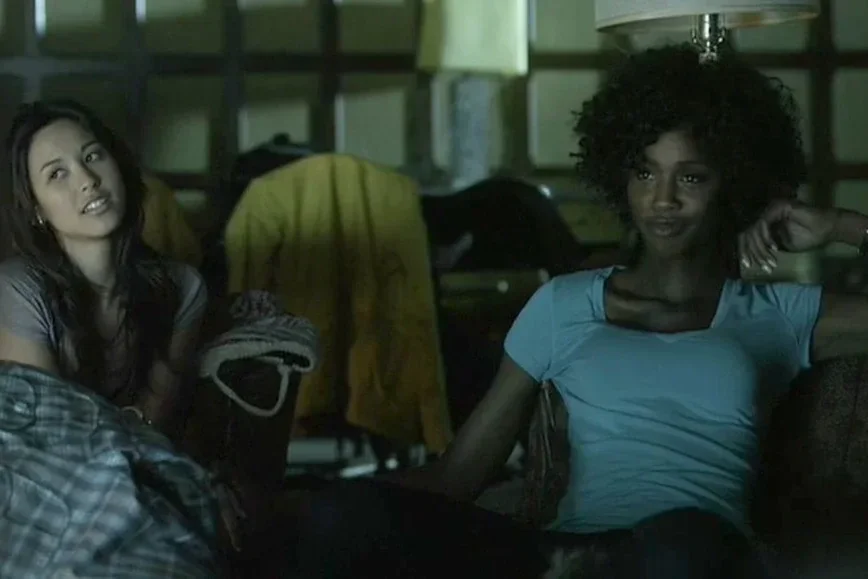
Being in a direct-to-video prequel can be daunting, but Sara Washington lent some pedigree and relevance to this chapter of the Wrong Turn franchise. Don’t get me wrong, this movie is as DTV as it gets, but that doesn’t mean it’s completely forgettable. It has its charm, and that comes from Tenika Davis’ charge-taking Sara Washington, who becomes the de facto leader of the group of white folks she’s with. Her girlfriend, Bridget (Kaitlyn Wong), bites it early, while Sara manages to make it to the end, only to have her head lopped off while riding into the sunset. I’m including Sara because she doesn’t get discussed nearly enough for my liking—and because she at least (nearly) made it to the end.
Lafayette Reynolds (True Blood, 2008-2014)
© HBO
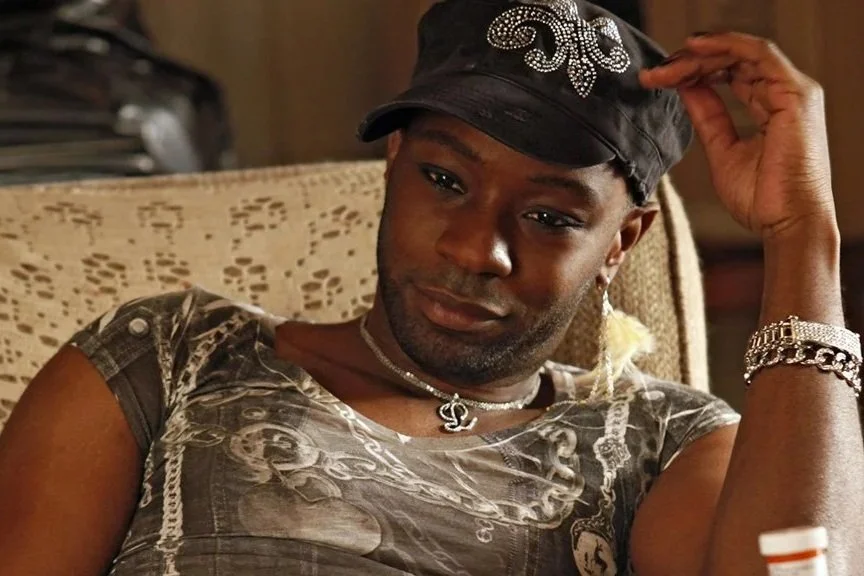
There is so much that could be said about Lafayette Reynolds (Nelsan Ellis), the Black gay AF cook on True Blood, who became a mainstay on the show even though he was destined to die at the end of the first season. In the Sookie Stackhouse novels that True Blood is based on, Lafayette actually dies in the first book. Luckily, showrunner Alan Ball saw the overwhelmingly positive response to Nelsan Ellis’s portrayal of the character, so he brought Lafayette back and expanded the character’s role within the craziness of Bon Temps’ supernatural society. By the time the show ends, Lafayette realises he’s a natural witch/warlock/medium and finds love in both Jesús and later James. Personally, Lafayette served as a sort of bonding bridge between my mother and I as we watched True Blood, and I truly believe Lafayette/Nelsan prepared her for my eventual coming out. So, I truly love Lafayette and the man who brought him to life. Thank you, Nelsan. May you Rest in Power!
Montrose Freeman (Lovecraft Country, 2020)
© HBO
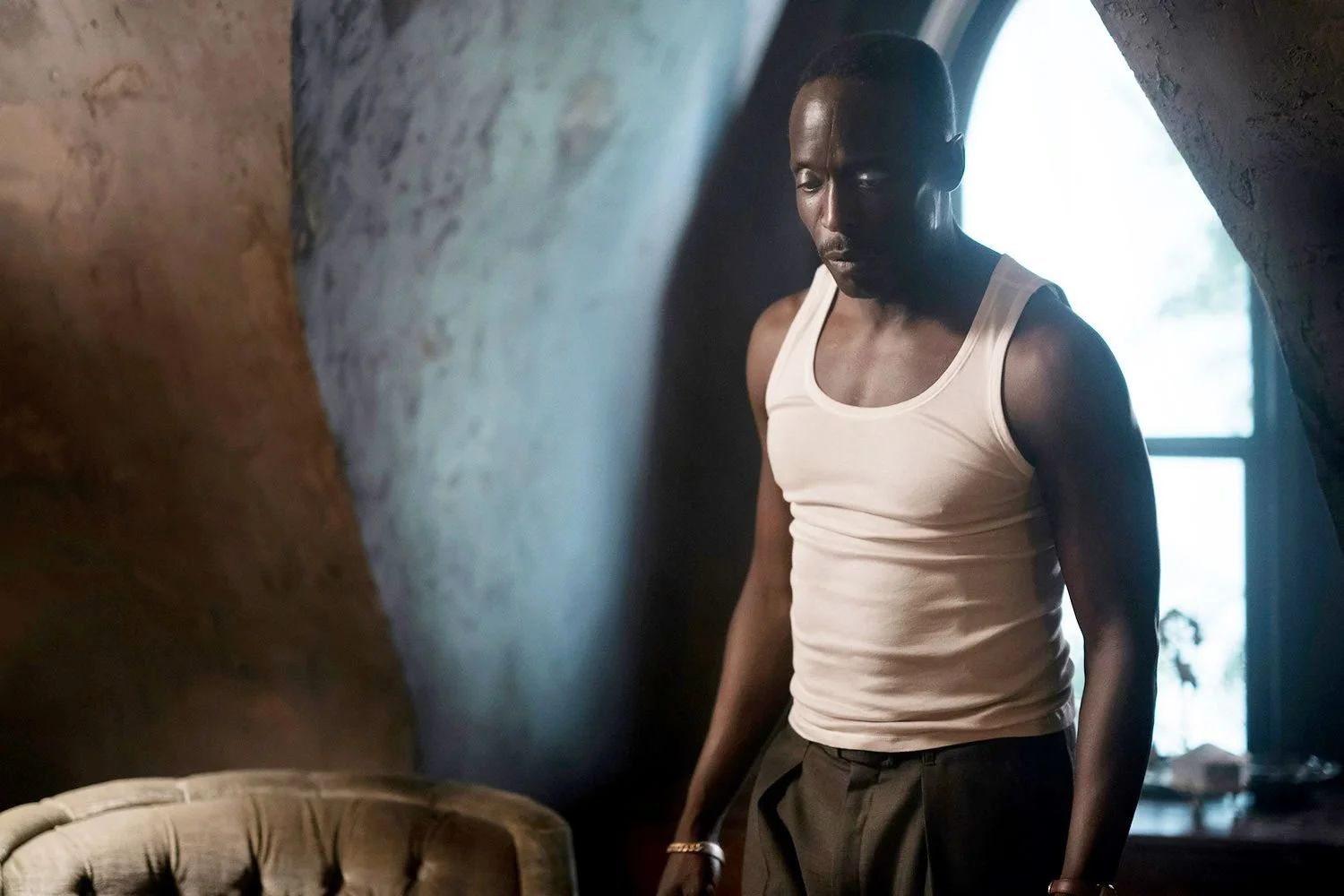
Having read Lovecraft Country before and during the adaptation’s run on HBO, I was not prepared for what showrunner Misha Green had in store for Montrose (Michael K. Williams). In Matt Ruff’s book, Montrose is as macho and masculine as he could be. So consider me shook when the show decided to thoroughly explore that characteristic in Montrose, while also revealing him to be a closeted homosexual. While the relationship between Montrose and his love interest could’ve been handled differently, it didn’t take away the tragic nature of his character, who witnessed his secret boyfriend’s murder at the hands of a white mob during the Tulsa Massacre during his youth. It explained why he was so adamant about maintaining this toxic masculine image to not repeat that doomed fate. And the late great Michael K. Williamson’s portrayal of such a layered character is one of the main reasons he’s included on this list.