“YouTube Taught Me That a Modern Horror Audience is Actually Very Smart”: Curry Barker on His Indie Horror Phenomenon Obsession
The writer-director, already slated to direct the Texas Chainsaw Massacre reboot for A24, breaks down his critically acclaimed film about unrequited love gone wrong
by Lana Thorn 12 May 2026
Focus Features
When I meet Curry Barker at London’s Soho Hotel, I’m struck with the feeling that I’m sitting opposite a young artist on the threshold of a singular, groundbreaking career. Like Jordan Peele, an idol of his, the 26-year-old writer-director got his start as half of a sketch comedy duo before transitioning into genre film. “that’s a bad idea”, comprised of Barker and Cooper Tomlinson, has accrued over a million subscribers on YouTube, but Barker has likewise used the channel to share his horror films—like cursed object short The Chair and the viral found footage feature Milk & Serial, which he produced alongside Tomlinson for only $800.
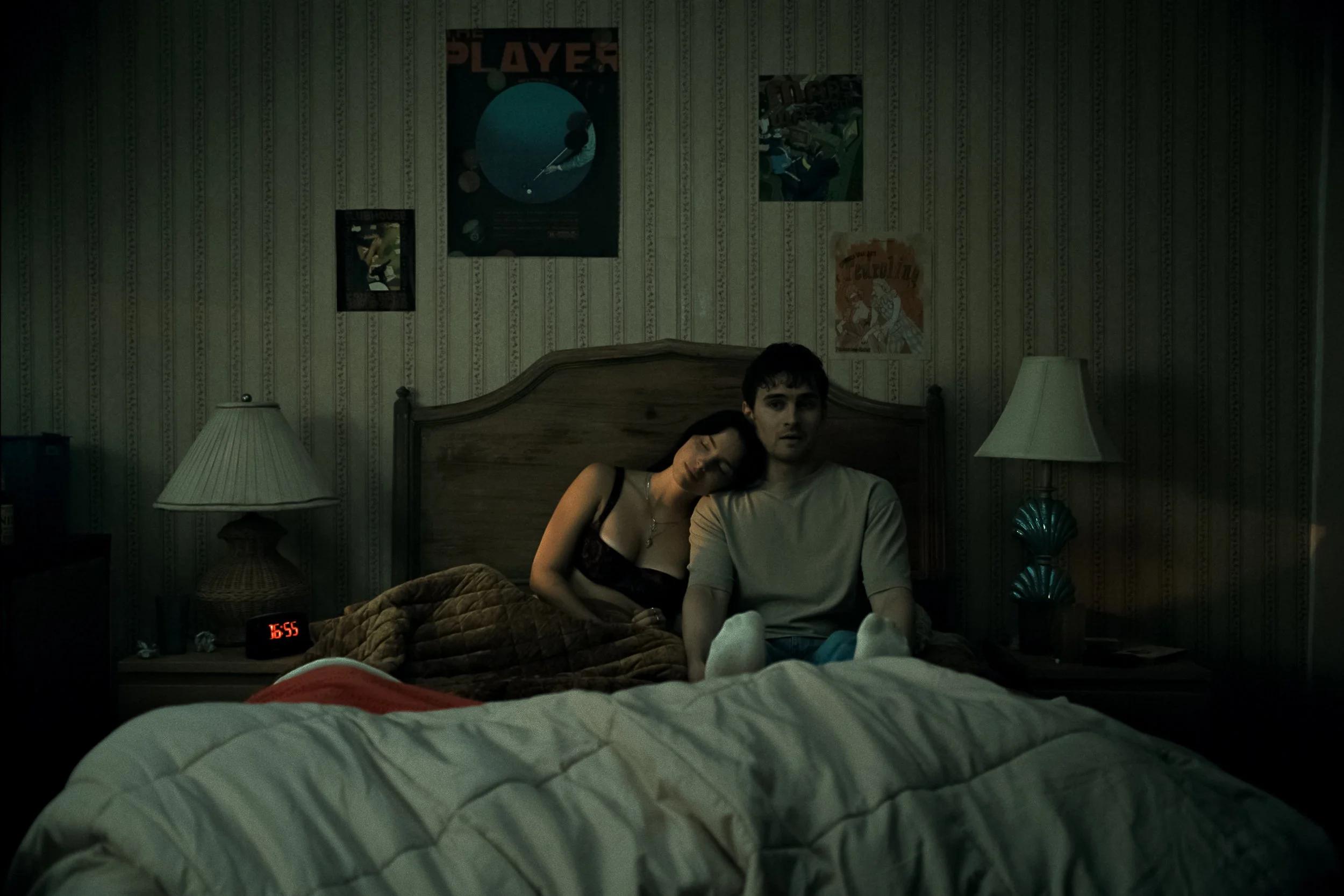
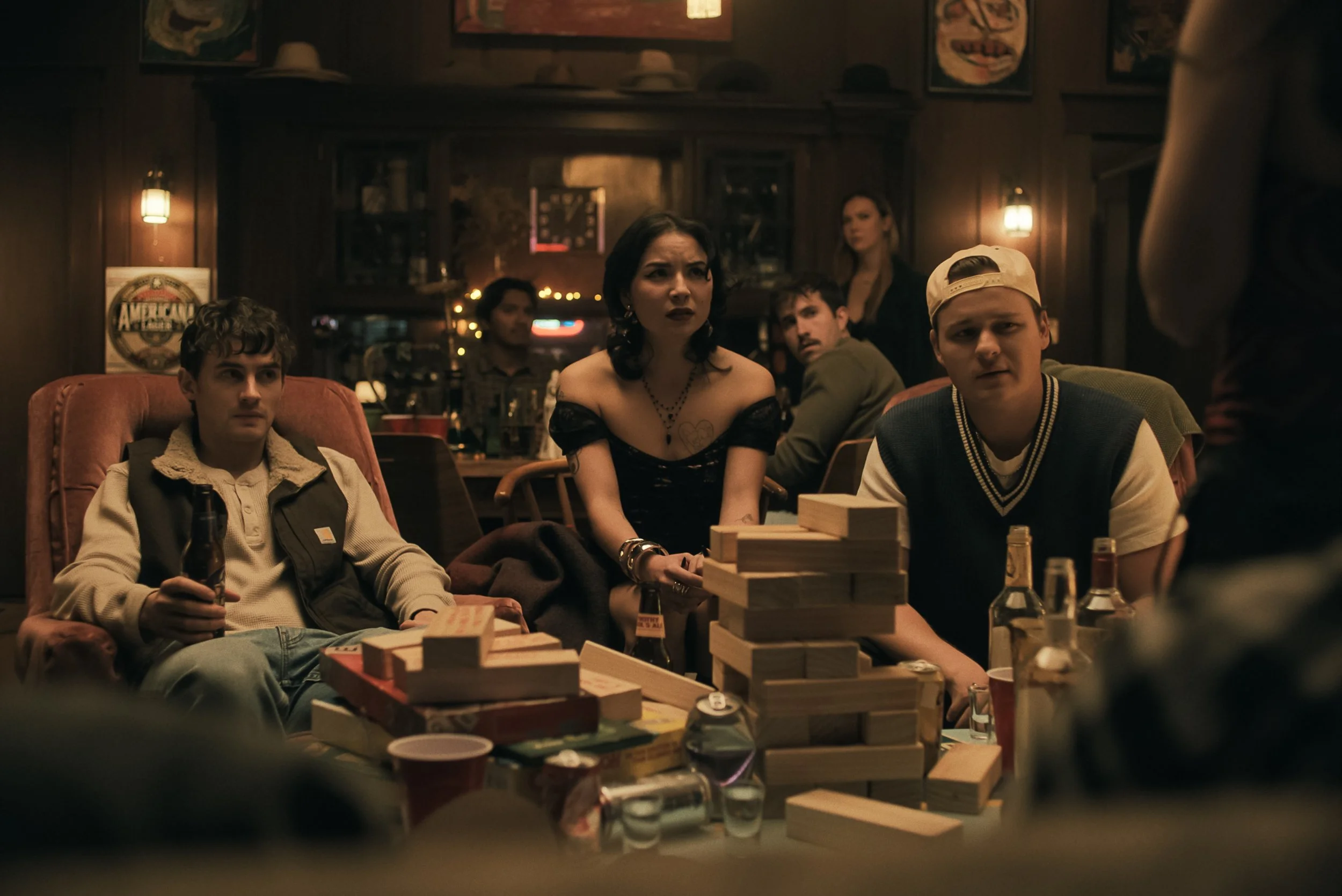
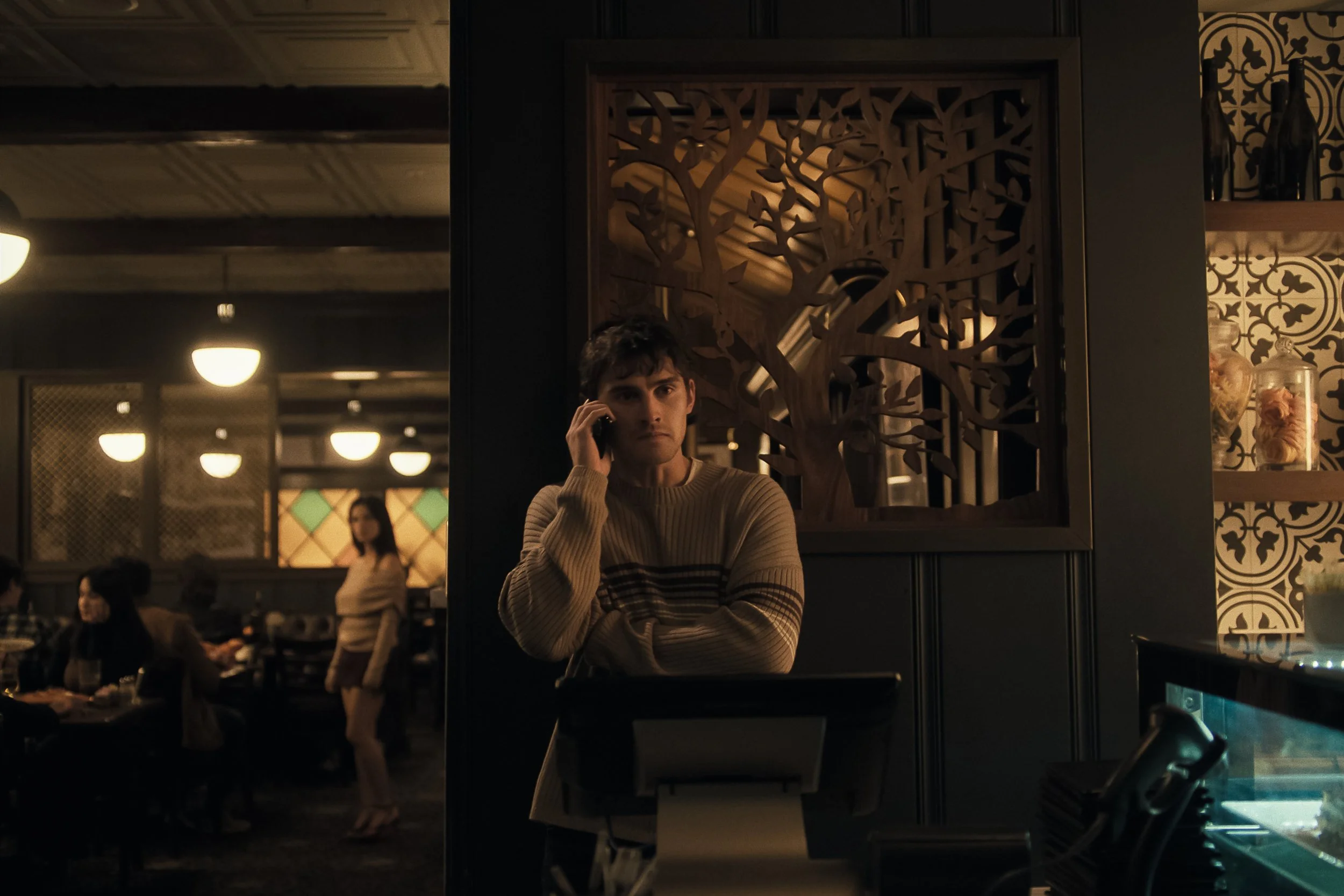
The through line of Barker’s YouTube resume is uncanny, deeply discomforting horror streaked with a pitch-black sense of humour. Now, with his first theatrically distributed feature, he’s expanded on that sensibility on a much bigger scale. A harrowing update on the “Monkey’s Paw” narrative, Obsession follows a meek young man, Bear (Michael Johnston), who uses a novelty toy called the One Wish Willow to make his crush, Nikki (Inde Navarrette), fall in love with him. The wish comes true, but as Nikki starts exhibiting extreme jealousy and increasingly erratic behaviour, Bear must face the disastrous consequences. Produced for $1 million, the film was acquired by Focus Features for $15 million after debuting at TIFF last September, before genre film specialists Blumhouse boarded the project in December.
As Obsession continues to earn rave reviews and generate the kind of buzz reserved for modern classics like Hereditary, Barker discusses his horror watchlist during production, how he hopes to channel the 2003 Texas Chainsaw Massacre remake ahead of his A24 reboot, and why horror movies shouldn’t undermine the intelligence of their audience.
Focus Features
Phantasmag: I hear that a Simpsons episode played a big role in the making of Obsession. How did you come up with the original idea for this film, and what made it seem like the right story for your first feature with a bigger budget?
Curry Barker: It was one of those things I was so excited about. I remember watching that Simpsons episode and freaking out, and nobody knew why. My friends were like, ‘What is so exciting?’ Because I'd already had this idea for Obsession and the concept of how far that could go. But it was two people, a man and a woman obsessed with each other, and that doesn't really have a story because what's the story? They're just obsessed with each other. There’s no conflict, right? So I remember writing down this idea and being like, Oh, my God. That's how you know—‘cause I have ideas all the time, and I write them in my notes. But when you have an idea that you just can't stop thinking about, that's when you should make it, right? And I just couldn't stop thinking about the potential of it, because there's so much to play with, even though we've seen this concept before. The concept lends itself to some pretty dark material, and I always love to explore, like, what would you do? What would anyone do in that situation?
P: Inde Navarrette did such an incredible job. How did you find that character and her physicality together?
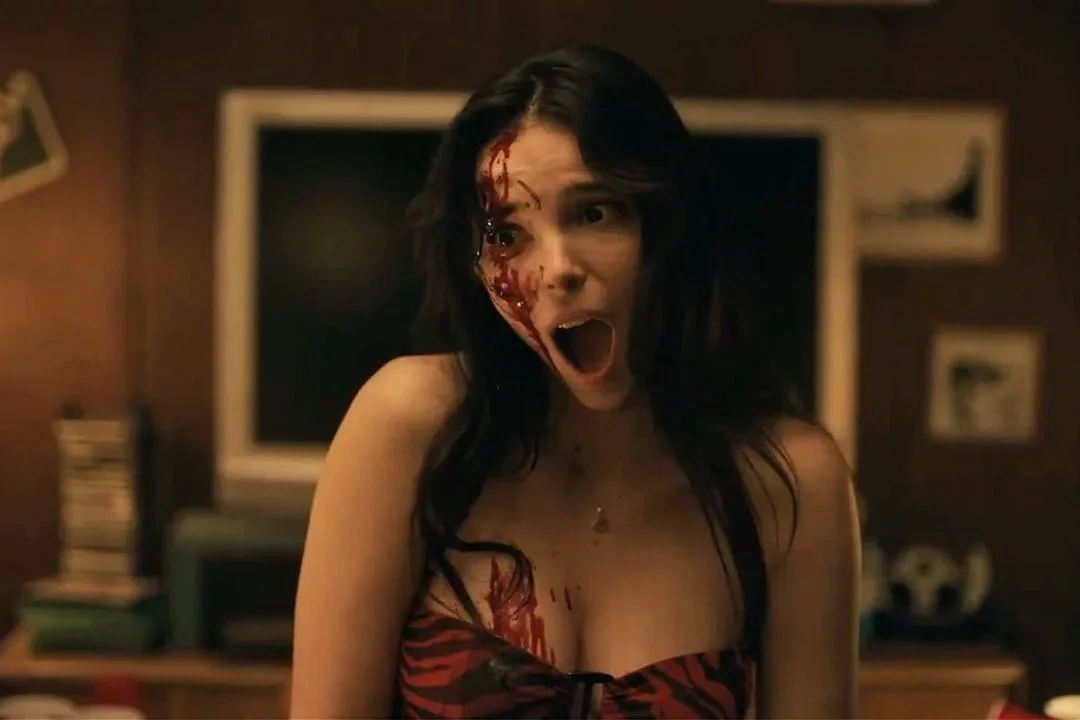
CB: We watched a lot of different movies together. We watched Pearl, which is a movie about obsession. It's about a girl who's obsessed with being a star. That whininess of her wanting it so bad. Then we watched movies that felt really raw. We watched Hereditary—I kind of made everyone watch Hereditary. The whole cast, we all sat down and watched it. I showed her Midsommar, but I only showed her certain scenes 'cause Florence Pugh is just so raw in that movie; it’s insane, right?Throughout the process, it was really always [about] playing a crazy, jealous girlfriend, not playing a demon-possessed robotic thing that we’ve seen.
Focus Features
P: The One Wish Willow itself is such a fun cursed object. The marketing teams are already creating Creepypasta Reddit threads. From the lore to the graphic design, how did you come up with this version of the monkey's paw?
CB: When I first started writing, I knew that it was a wish movie, so there has to be something that makes the wish. I started from a place of: ‘Let's find something that's real.’ Something that is in culture and everything. But I couldn't really find anything. There's a wishbone; you break that in half. There’s a wishing well, shooting stars, a monkey paw, but nothing really fit perfectly. And I wanted it to feel like something you could buy at a shop. So I just made up the One Wish Willow. I wanted it to fit in with the Magic 8 Ball, to have a whimsical, innocent thing. It was really important to me that it didn’t feel like something that just magically appeared on your doorstep. I loved the nonchalant-ness of like, ‘No, no, it's at this store. If you want it, you could buy it, and it will work.’ You know? [laughs] That was really what excited me.
P: You are part of a group of indie horror writer-directors who get their start on YouTube. How did your background posting on the platform prepare you for making Obsession, and why do you think that the work coming from this platform resonates so much?
CB: It prepared me in that YouTube is a place where everyone can get instant feedback. I try not to let that stuff affect my work too much because at the end of the day, I just have to make something that I think is good. Then hopefully other people like it, too. But I think anyone who chases making a big audience happy too much—you’re not gonna win. So you have to know what you like and be very critical as a movie watcher and try to make the best movie that you can for yourself. Like, ‘Would I go watch this movie? Would I be excited to watch this movie?’ But YouTube taught me through the comments that people are really smart. I would do The Chair or Milk & Serial and cross my fingers and hope people pick up on these small things, and you bet they’ll pick up on things you didn't even intend. You learn that a modern horror audience is actually very smart, so let's not treat them like they’re dumb.
Focus Features
P: You've cited the 2003 Texas Chainsaw Massacre remake as one of the first horror films that made a big impact on you. What does that franchise mean to you, and how does it feel directing the reboot for A24?
CB: It is such a special thing to me. It was the 2003 version that I saw first—I’ve seen the original multiple times, and I’m a huge fan of it as well—but just based off nostalgia, I think back at that movie and how it creeped me out as a kid. That's what I wanna capture in this new one. When I rewatch the 2003 version, it doesn't hit me the same as when I was a kid, obviously, but my hope would be to recapture the feeling that I felt as a kid for a modern horror audience. And I have some ideas of how to do that. It's really exciting, but I also try not to think about the pressure of it too much because I think it could be the death of it.
P: You’ve also expressed interest in making a sequel to Obsession. This one deals with themes of consent and unrequited love. What is a theme that you would want to explore in another instalment?
CB: The same brutal concept. The same brutal consequences for wishing for something unearned. The whole thing in this movie is that love should be earned by people. Love is not something that can just be given to you right away. It has to be something that's earned over time. So that concept could really carry over to another wish gone wrong. You have to earn a position at work. You have to earn being the CEO of a company. There's always gonna be consequences for things that aren't earned, and that is such an untapped concept. Honestly, there's an endless amount of concepts for a sequel to this movie or even an anthology TV show. Who knows? I'm not saying anything, but I'm just saying you never know what could happen.
Focus Features
P: You've described Jordan Peele as a big influence. Your career has mirrored that journey of sketch comedy to horror films. What has his work taught you about the relationship between horror and comedy?
CB: He's taught me so much. He’s like my childhood. I watched Key & Peele all the time, so I owe a lot to him when it comes to sketch comedy. I owe a lot to Jordan Peele and Keegan-Michael Key for my sensibility for making people laugh. The comedic timing of that show, everything. [Peele] going into horror is really interesting, and it’s so funny how that has become a trend. It's not like anyone's doing this on purpose. It's just happening. The two genres just really lend themselves well together. As someone who's been doing sketch comedy for years online, you just always have that brain on. You're always thinking about, ‘Oh, that would've been fun.’ If you have a weird interaction in traffic, or a waiter gives you a weird response when you ask what this thing tastes like on the menu, everything becomes comedy. So when you always have that brain turned on, what you're really doing is you're studying the human condition. You're studying psychology. I think making someone really uncomfortable and making someone laugh are almost exactly the same, and that's what I'm trying to do in my horror: make you really uncomfortable.
Obsession is playing in theatres from Friday, May 15th.