Director Avalon Fast on Her Sapphic Witchy Summer Horror Film Camp
The writer-director discusses how her second feature differs from classic witch films like The Craft and contributing to a new wave of queer horror cinema
by Lana Thorn 24 June 2026
Dark Sky Films
In a busy year for witch films (Hokum, The Serpent’s Skin, Forbidden Fruits), Avalon Fast’s Camp stands apart. After Honeycomb, her no-budget 2022 horror film about a woodland cult, the 26-year-old Canadian filmmaker — who starred in The Serpent’s Skin herself — returns with another work of what she terms “girl horror”: a dreamy, atmospheric coming-of-age tale about female friendships, grief, and dangerous spells.
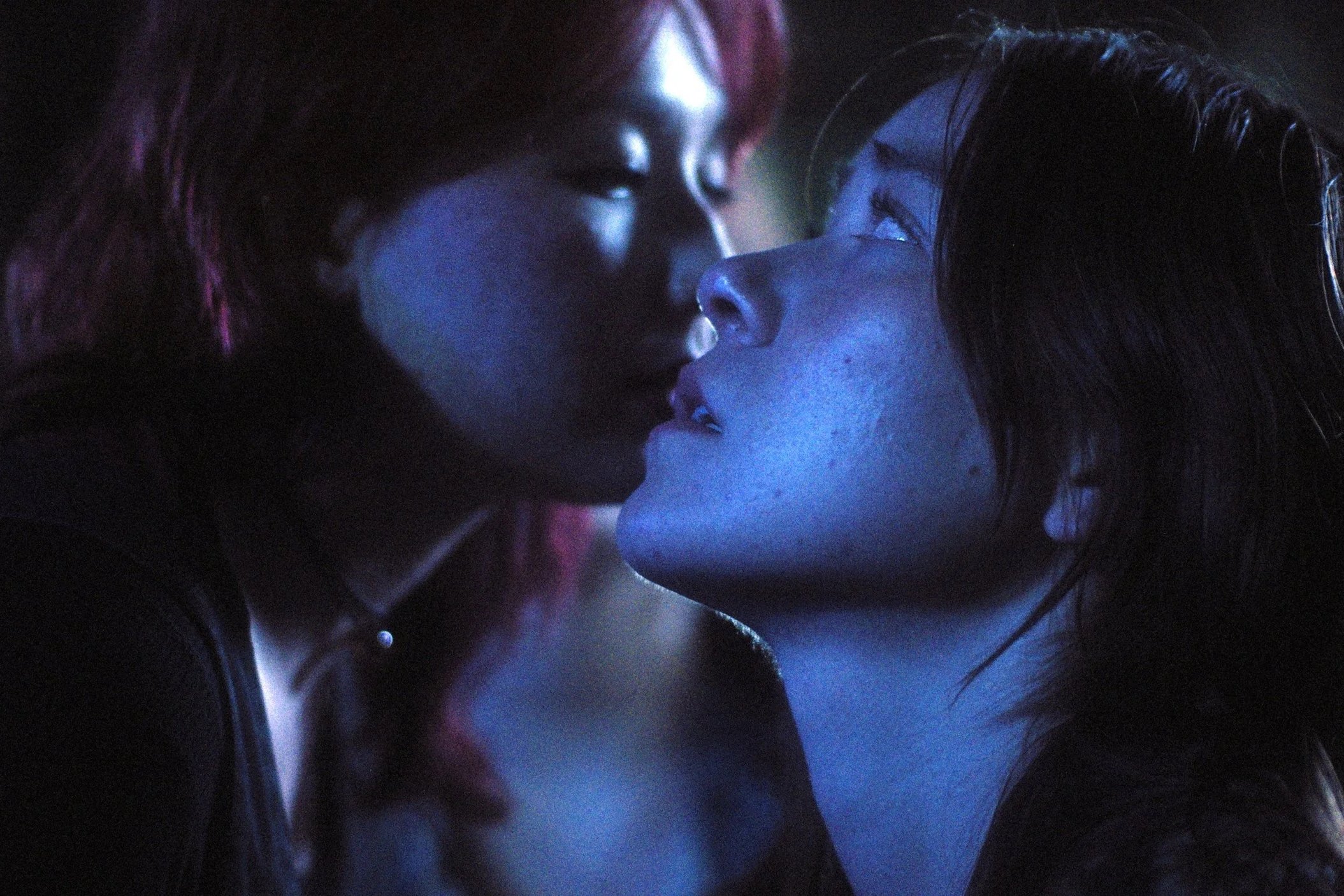
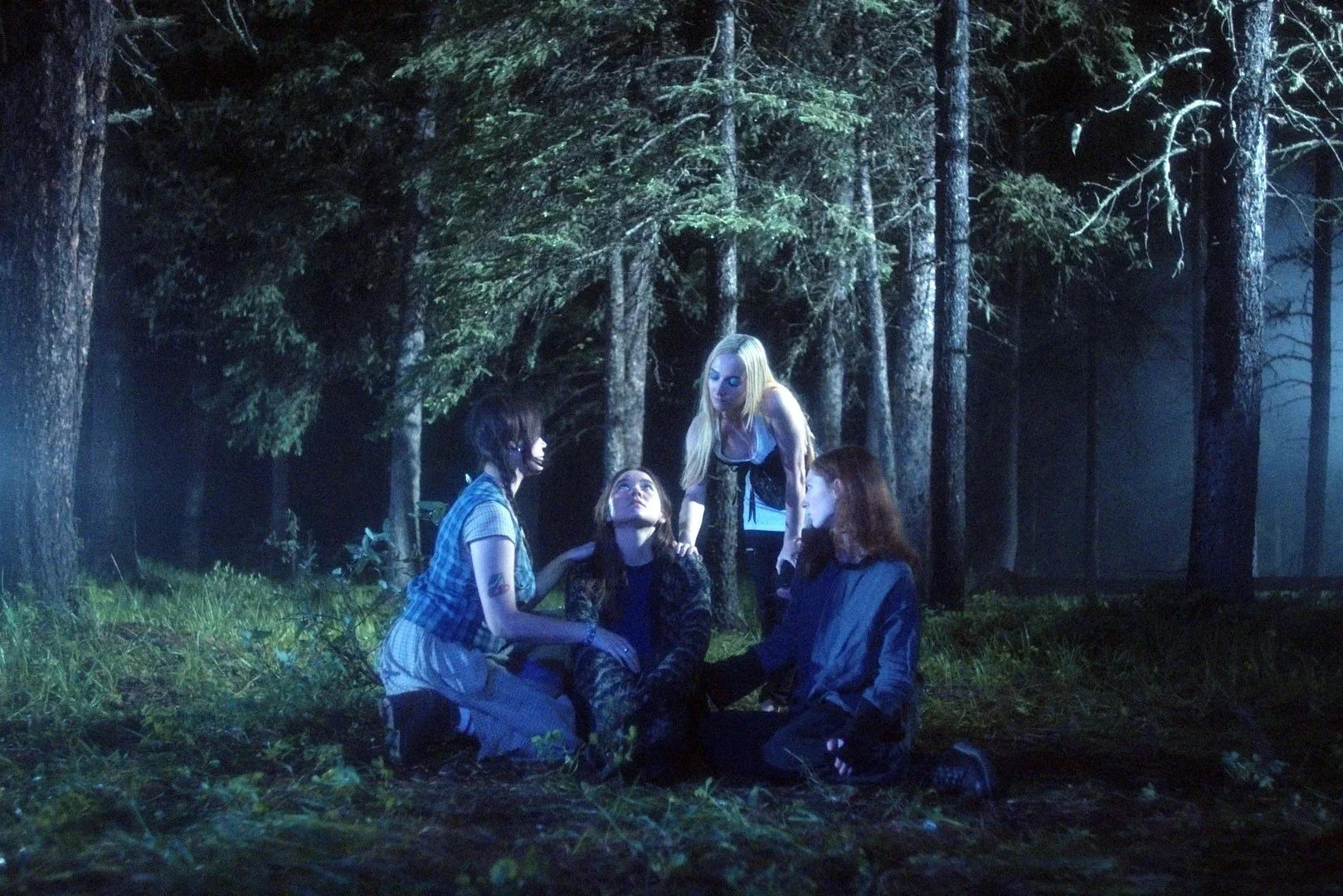
Camp follows a college dropout (Zola Grimmer) overwhelmed by the guilt of being the root cause of two accidental tragedies. To escape her self-loathing, her dad encourages her to get a job as a counsellor at a Christian summer camp. Upon her arrival, she learns that the staff is far more interested in drinking and partying than exchanging Bible verses, and soon falls in with a coven (Alice Wordsworth, Cherry Moore, Lea Rose Sebastianis, Ella Reece) who kickstart her healing journey.
Speaking with Phantasmag over Zoom, Fast reflects on her film’s unique exploration of grief, working with Jane Schoenbrun on fellow summer camp horror film Teenage Sex and Death at Camp Miasma, and how it feels to be a part of the current wave of indie queer cinema alongside filmmakers like Schoenbrun and her Serpent’s Skin director Alice Maio Mackay.
Dark Sky Films
Phantasmag: Camp feels very much like an expansion of the world you built with Honeycomb. What do you see as the connective tissue between the two films?
Avalon Fast: There were things I wanted to do with Honeycomb that I just didn't have the resources for, and I wanted to try them with Camp. This idea of a girl cult in the woods isn’t over for me yet. You get these ideas when you’re an artist or a filmmaker, and you wanna keep digging at them and figuring them out, and Honeycomb was the beginning of that. Camp was absolutely an expansion, and I feel like there’s a third girl cult movie waiting to happen, where I can go even deeper with it.
P: Speaking of cults and witches, from The Craft to this year's Forbidden Fruits, there's always been a strong link between witches and queerness. What drew you to exploring that connection in the film?
AF: I love Forbidden Fruits. That's a great movie. But I feel like it does the same thing that The Craft does that I don’t like, wherein these girls end up being mean to each other. When I get the comparisons, aesthetically it makes a lot of sense, but on a tonal level, I'm like, God, these films are so different to mine because it's the experience of meeting these girls and having this deepness of friendship, and there really aren’t any consequences for that in Camp. It's only positive at the end. And with Forbidden Fruits and The Craft, it's like your whole world explodes and everything's destroyed because of it. I've always been like, that doesn't quite make sense to me, but I still love these movies.
I wasn't thinking about the intersection of queerness and witchiness, but more about just girls hanging out. It’s inherently queer to me: the tensions in friendships that can exist, the romantic energies there. It can have an intimacy that looks like romance, and maybe it is, and I think that's such an exciting feeling, you know? It's like, ‘Am I falling in love with my best friend?’ That wasn't explored enough in Honeycomb, so that's something I definitely wanted to go into with Camp.
Dark Sky Films
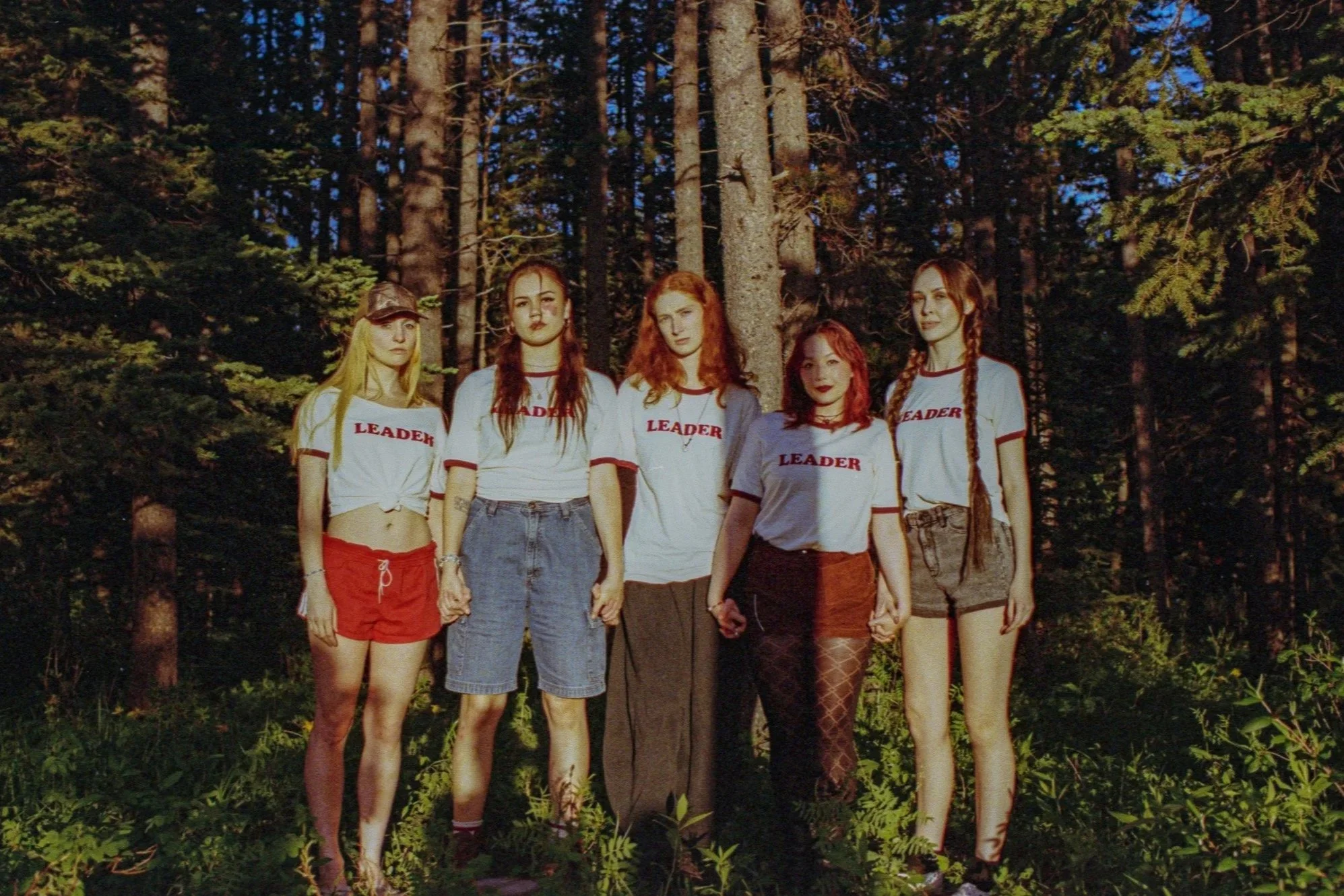
P: The lush cinematography in Camp is a real highlight. Can you walk me through how you developed the film's visual language?
AF: That was — I mean, it’s not all Eily [Sprungman], but it's so heavily Eily, my cinematographer. I wanted to work with her because I had a feeling that we would be able to create that together, and I had a faith in our friendship and connection that we could come up with a visual language that really felt true to the vision of Camp and not just a regurgitation of other films, but more something we could come up with together because we're both new in this world. I think she hates it when I say that sometimes because she's been in the industry for so long, but when it comes to being the director of photography, it's new to her in the same way that being a director of a movie is new to me, and that's why I wanted to work with her, so we could both find this thing together. She’s so talented at what she does, and I put so much faith in her because I'm not literate in cinematography. I don't think about it, so I had to find somebody that did, and she was the perfect person.
P: You also had a role in another summer camp horror film this year. What was it like being on the set of Teenage Sex and Death at Camp Miasma?
AF: It was crazy. It was funny, receiving this message from Jane [Schoenbrun] about their film. When they sent me a message, it was before Camp came out or existed in the world at all, so they didn't know. They're like, ‘I'm making this movie. It's a summer camp queer horror film,’ and I'm like, ‘Uh-oh’ [laughs]. In the end, these films are so drastically different in the story, but there is a tonal similarity — and I think there's been a tonal similarity in Jane's work and mine forever. So it was very, very exciting to be on their set and see how they work. But also very cool to see all of these locations that we had previously scouted for Camp but didn't have the money for [laughs]. It was awesome, and such a full circle moment because it was a whole year later, getting to be back at camp with some of the same people.
P: It's a great double feature.
AF: Totally.
Dark Sky Films
P: The summer camp horror film is such a storied sub-genre. Were there specific films or inspirations that served as major influence on you?
AF: Not really. I definitely did a bit of research once I'd had the idea for it because I came into filmmaking not as a cinephile, so I don't have a lot of knowledge in these reference points. It works in cool ways, but sometimes works against me as well. So I would watch all the summer camp horror movies and make sure that I hadn't written something that was copying them after I'd written it. But Panos Cosmatos' Mandy wasa huge inspiration.
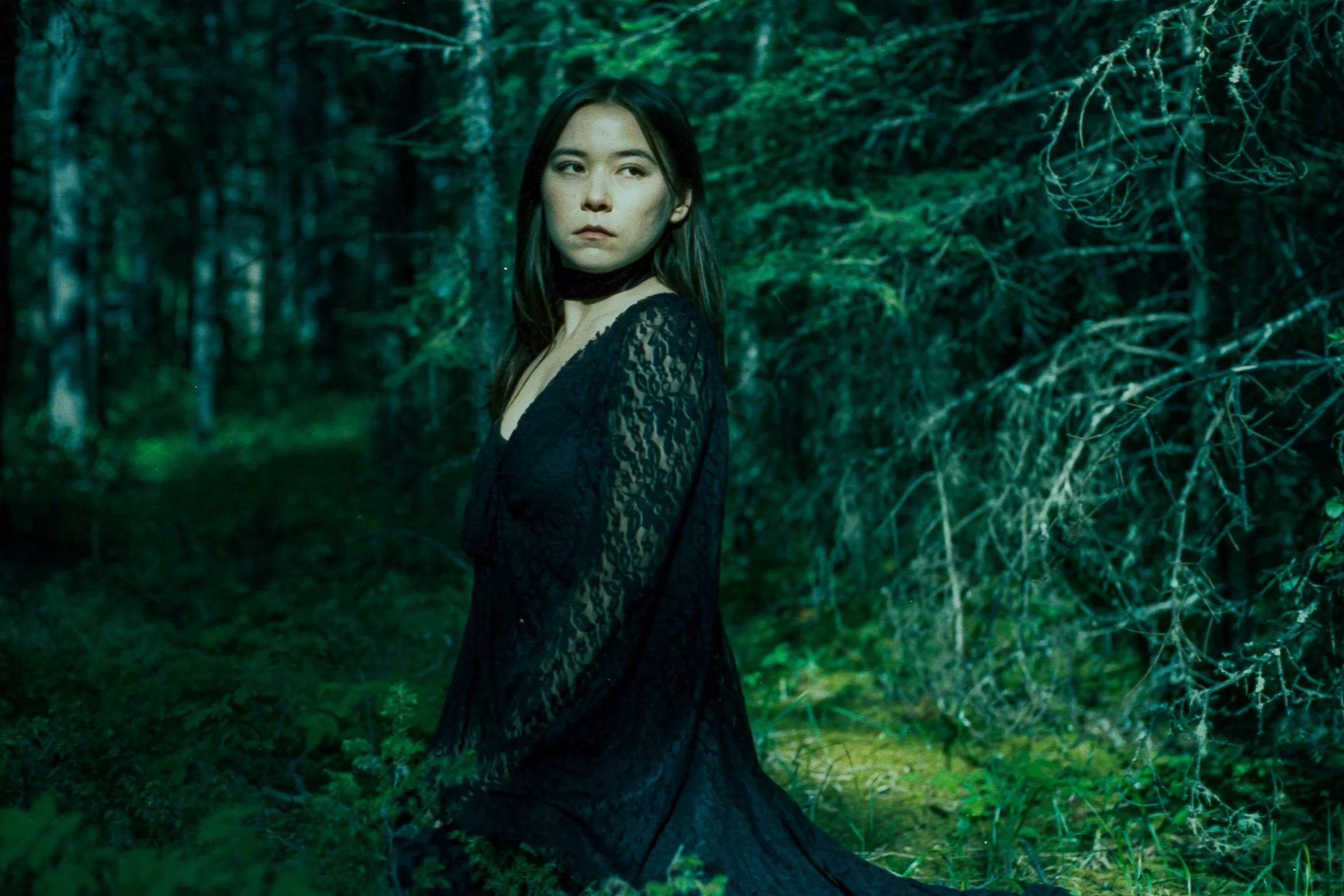
P: One of my favourite things about Camp was how Emily's journey of healing slowly tests her morals and the viewer's empathy for her. What drove you to explore trauma through that specific lens?
AF: That's a good way to put it. Losing somebody for me and grieving made me really angry, which doesn't surprise me because that's kind of a default place that I go. There’s such a closeness between love, hate, and anger, and it really made me resent humanity for a while. Grief can create a border between you and the people that don’t understand what you're experiencing. And I think it's such a gift to understand what grief looks like, because in the future when you meet people that are grieving, which can be a lifelong process, you have a way in and you have a connection to it. But I do feel like it puts you on a different plane. There’s the you before you've lost somebody, and there's the you after, and the way in which you interact with the world changes a lot. And for me in the early stages of it, it was a lot of anger, resentment, and difficulty understanding the things in my life that had once made sense to me.
P: How does it feel to be a part of this wave of indie queer filmmakers emerging in the 2020s right now, and why do you think this particular way of looking at the genre is flourishing?
AF: I'm in Los Angeles right now, and we did a screening of Castration Movie last night, and then Vera Drew came and moderated the Q&A, and you know, these aren't the only people involved in this obviously. There's a bunch of us. But it's these moments, where I’m with these people, and we really understand each other's work, that's been the coolest part of it. I felt really lonely until last year, and then suddenly all these pieces came together. It does feel like there's a community of us that understands what we're doing, with Alice [Maio Mackay]’s work, Vera [Drew]’s, Louise [Weard]’s, and Jane [Schoenbrun]’s. There’s a revolutionary-ness about it, and it feels really cool to witness.
Camp is in US cinemas this Friday, June 26th