Italy’s Leading Genre Filmmaker Paolo Strippoli on His New Psychological Horror The Spiral: “I Have the Privilege of Exorcising My Demons Through Cinema”
The Holy Boy writer-director discusses his latest horror, which has been scaring audiences at Venice and TIFF
by Lana Thorn 14 September 2026
Courtesy of the Venice Film Festival
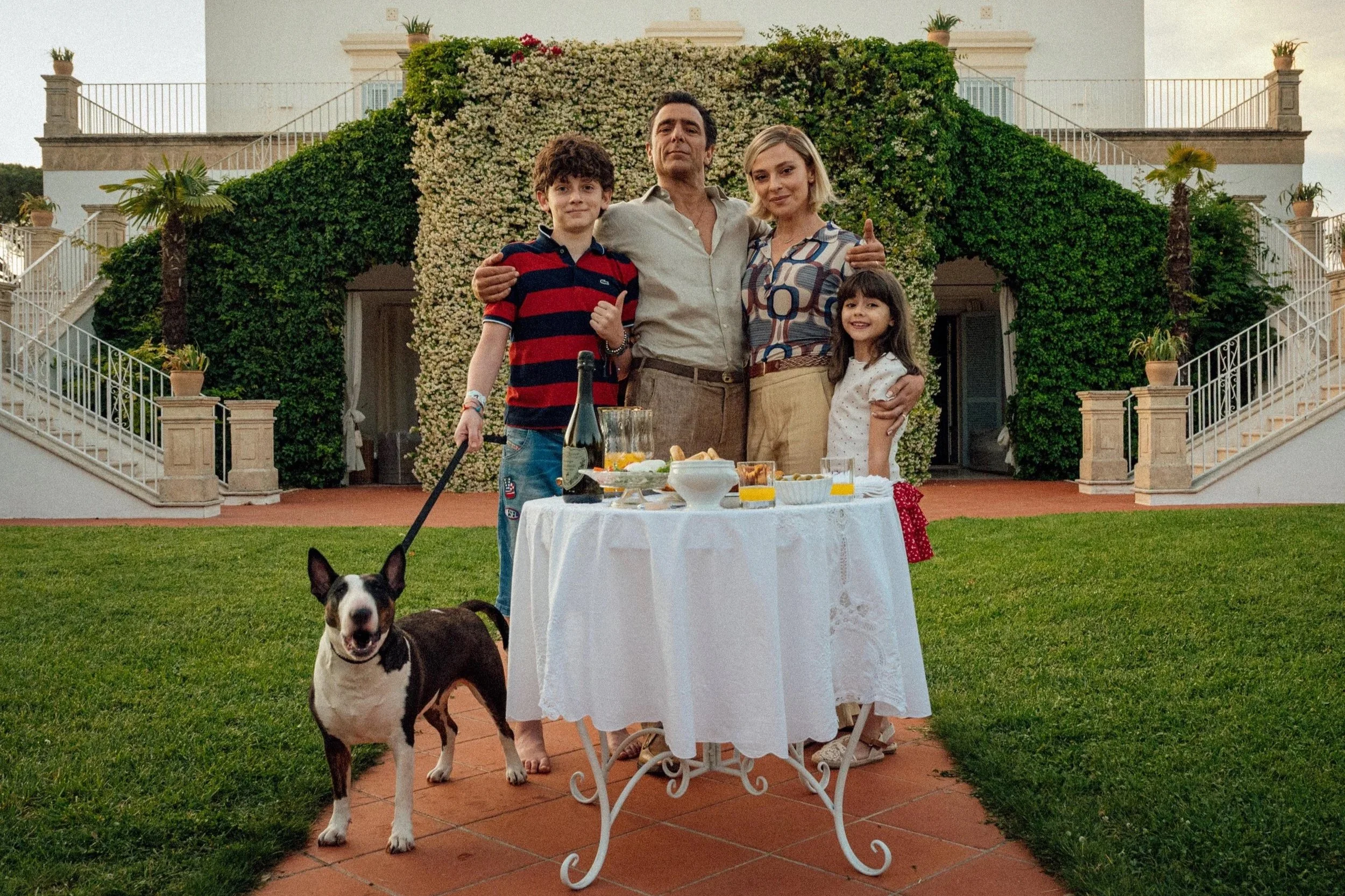
A year after his folk horror film The Holy Boy, a harrowing blend of Carrie and The Wicker Man, premiered at the festival, Paolo Strippoli has returned to Venice with another audacious genre film. The Italian horror filmmaker’s fourth feature is a Faustian thriller with an elegant conceit: after her daughter suffers a horrific accident, a new-money housewife (Jasmine Trinca) makes a bargain with a mysterious, fashionable woman (referred to as The Stranger in line with the film’s Italian title L’Estranea) played by European cinema darling Valeria Bruni Tedeschi. The premise may be simple, but Strippoli’s brutal, unpredictable execution is far from it.
While The Spiral’s gradual, gory destruction of a bourgeois Pugliese family may have seemed like unlikely material for a competition slot (Strippoli’s first), the film was received with an impressive 9-minute standing ovation, and early reactions across the pond at TIFF Midnight Madness — by the same audience that first embraced horror phenomenon Obsession — tease that the director may be due the wider exposure that his stylish, unflinching brand of horror deserves.
In a joint conversation with German journalist Peter Beddies, Phantasmag sat down with Strippoli at the Lido di Venezia in the wake of the Biennale premiere to discuss why making horror movies feels like therapy for him, the state of Italian horror cinema today, and whether Hollywood is calling after a string of critically-acclaimed chillers.
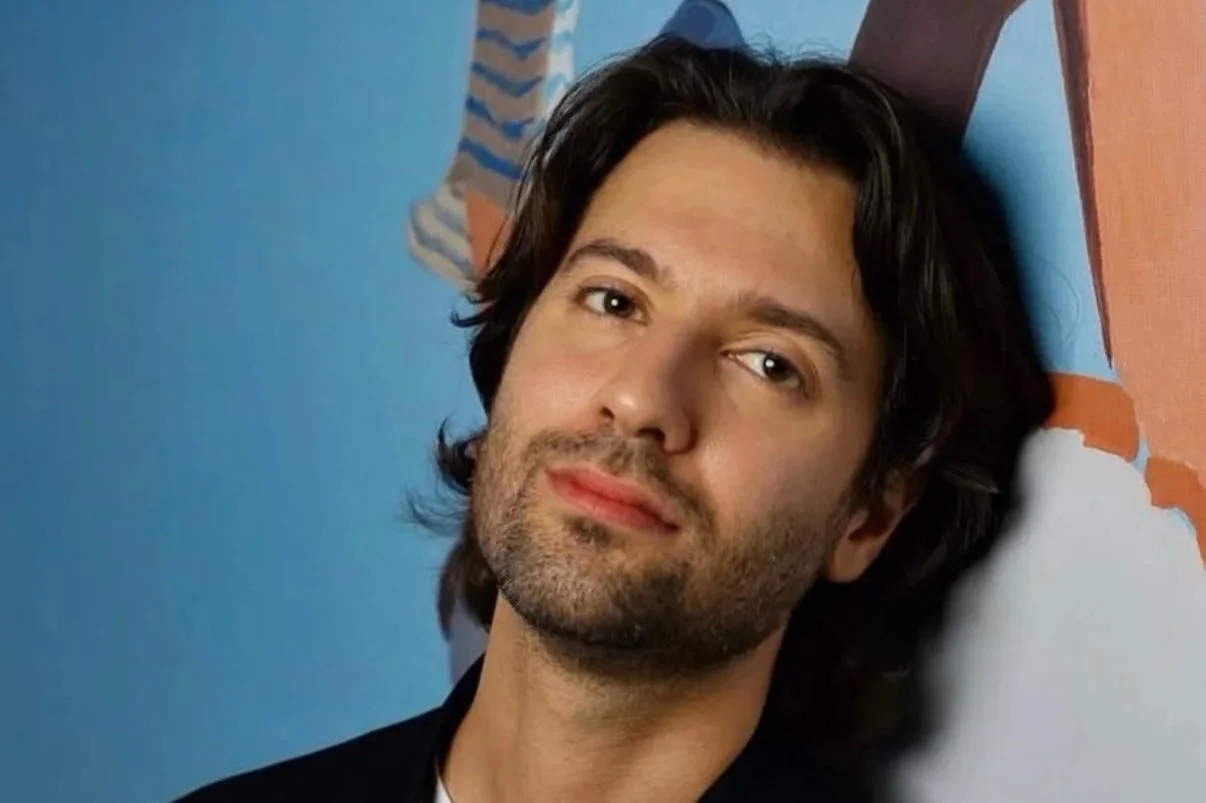
Director Paolo Strippoli. Courtesy of the Venice Film Festival.
Peter Beddies: You are such a nice-looking young man — where does the horror come from?
Paolo Strippoli: You know what I think? Everybody who works in the horror genre is a nice person. Not a nice person, but at least-
PB: Dario Argento, for instance, he’s not a nice person.
PS: I don't know him. But he makes a lot of entertaining stuff. I really hope my stuff is entertaining, but of course it's more psychological horror, so I have the privilege of exorcising my demons through cinema, and this makes me cleaner. Not cleaner than Argento. I don't know Dario Argento — and he's a master to me; I want to clarify that. But cleaner than I would normally be, because I have a lot of obsessions that I don't like. Everything I write is out of fear. And for me, [my horror films are] a long psychoanalytic session. I really hope it’s also one for the audience, because it's so much cheaper than an hour of therapy.
Phantasmag: What were the first images and ideas that came to your mind when you were developing the film?
PS: A cut. An amputated leg.
P: Why a cut specifically?
PS: I’m really scared of body horror. There are hints of body horror in this film, but they are not paranormal body horror. It’s very earthly. It’s the body horror of everyday life. So that was the first image, and then I built the film thinking about a person who I know intimately: The Stranger. I have my stranger, but I think you have yours as well. Don’t make me feel alone in that [laughs].
PB: Do you read horror as well, or do you only shoot and watch horror?
PS: I read horror. Not as much as I did when I was a teenager, but I think the only way to do something good is to read a lot, watch a lot of films, and play a lot of video games.
PB: What kind of video games?
PS: Every kind of video game. Some of them [I play because they’ll have] a narrative that is revolutionary. We have to take them into account, because storytelling is constantly changing, and now it's changing very quickly. It's really difficult to stay up to date with contemporary storytelling. I don't read as many books as I want to, and I don't play as many video games as I want to, so I really force myself to watch a lot of movies. I try to watch at least one movie per day.
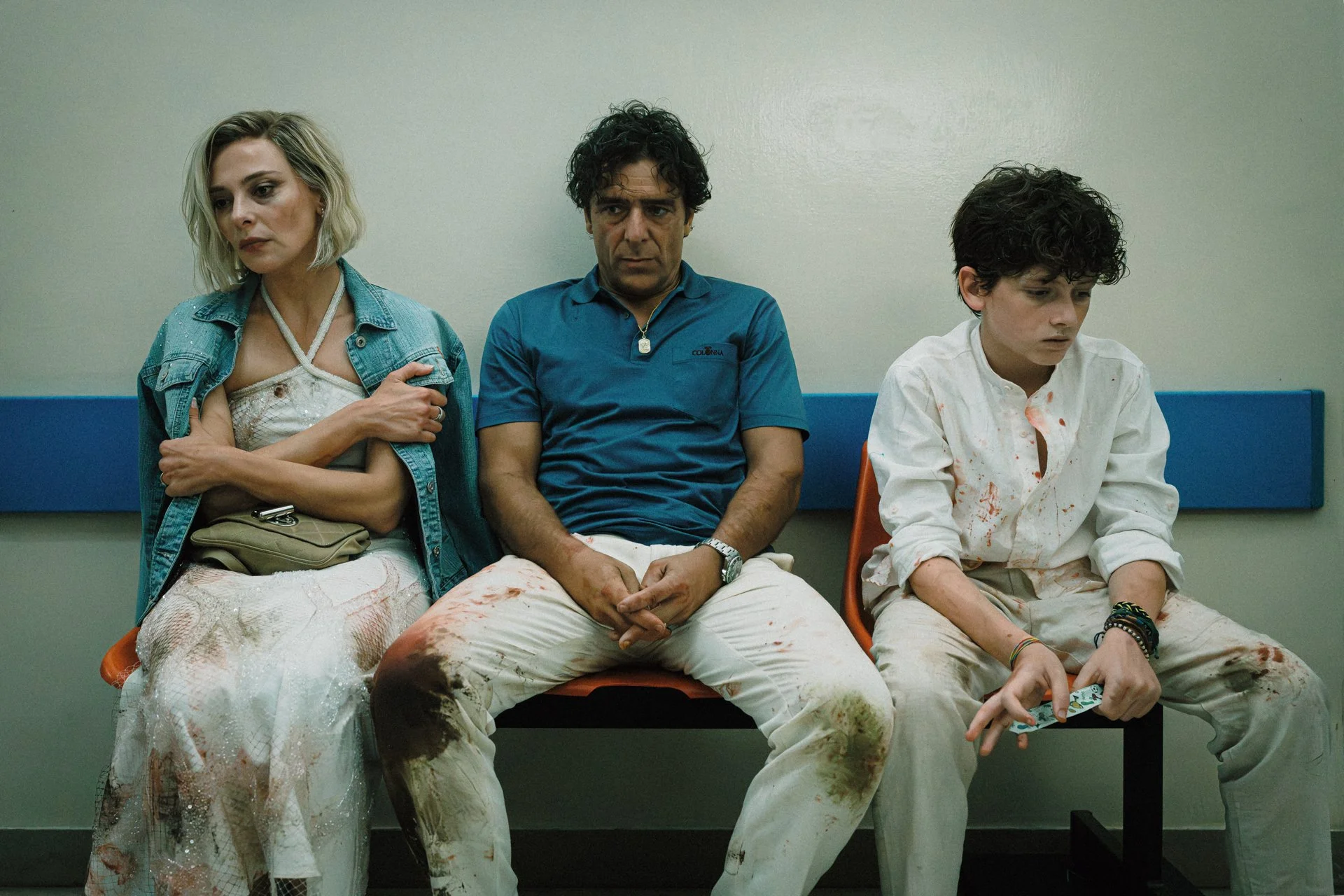
From left to right: Jasmine Trinca, Adriano Giannini, and Alessandro Carbonara. Courtesy of the Venice Film Festival.
P: You’ve described The Wicker Man as a key inspiration for The Holy Boy. What was a key inspiration for The Spiral?
PS: This one is more drawn from Greek tragedy, from the idea of catharsis through pain. This is what happens to our characters, especially one character, but I won’t spoil it because it’s the end of the film [laughs and glances at publicist]. They don’t want me to spoil anything.
PB: Not good. When you spoil [a film], you go to hell. Watching your film, I thought about Stephen King. Is he one of your idols, or is he boring and old?
PS: He’s a master, and I grew up with Stephen King. So Carrie, by the way, was one of the inspirations for The Holy Boy. On this one, I didn't really think of Stephen King, but it's always in me because it's something unconscious. When you love something, you unconsciously try to repeat the patterns that you love. This work is always made out of love. And so, because you are not only a director, but also a spectator and a reader, without knowing it, of course there are Stephen King-ish elements.
PB: And what about the Faustian deal? When did that come [to mind]?
PS: From the start, but it’s not from Faust. Of course I love Faust, but actually I make a deal with The Stranger every day. It’s very Faustian, but I’ve lived through this situation. I didn’t have to reach Faust. Me and Valeria [Bruni Tedeschi], we understood each other immediately. It’s our common ground, our common friend, The Stranger. Valeria didn’t play this character. She asked her Stranger to play this character. If I asked another actress, it would probably have been a little more difficult because Valeria is very open to that. She is not ashamed to say, ‘I know exactly what superstition is, and I really know this kind of monster.’ She’s a friend, but a terrible friend.
P: The Stranger is a certain representation of the devil. So why was it important for you to make her this stylish woman smoking a cigarette?
PS: I wanted her to look like a noir character. Someone coming from nowhere, from no time. She’s almost naked under the trench coat because she absolutely had to look like someone who couldn’t be put in a place and time. And it’s probably not a satisfying answer, but I didn't choose anything. It's how I look at her. It's how I look at my Stranger, and probably she doesn't have a trench coat, but she has the exact same vibe. And of course, when I thought of Valeria Bruni Tedeschi, I could see her Stranger too. And this was just natural. Something very instinctual and inevitable.
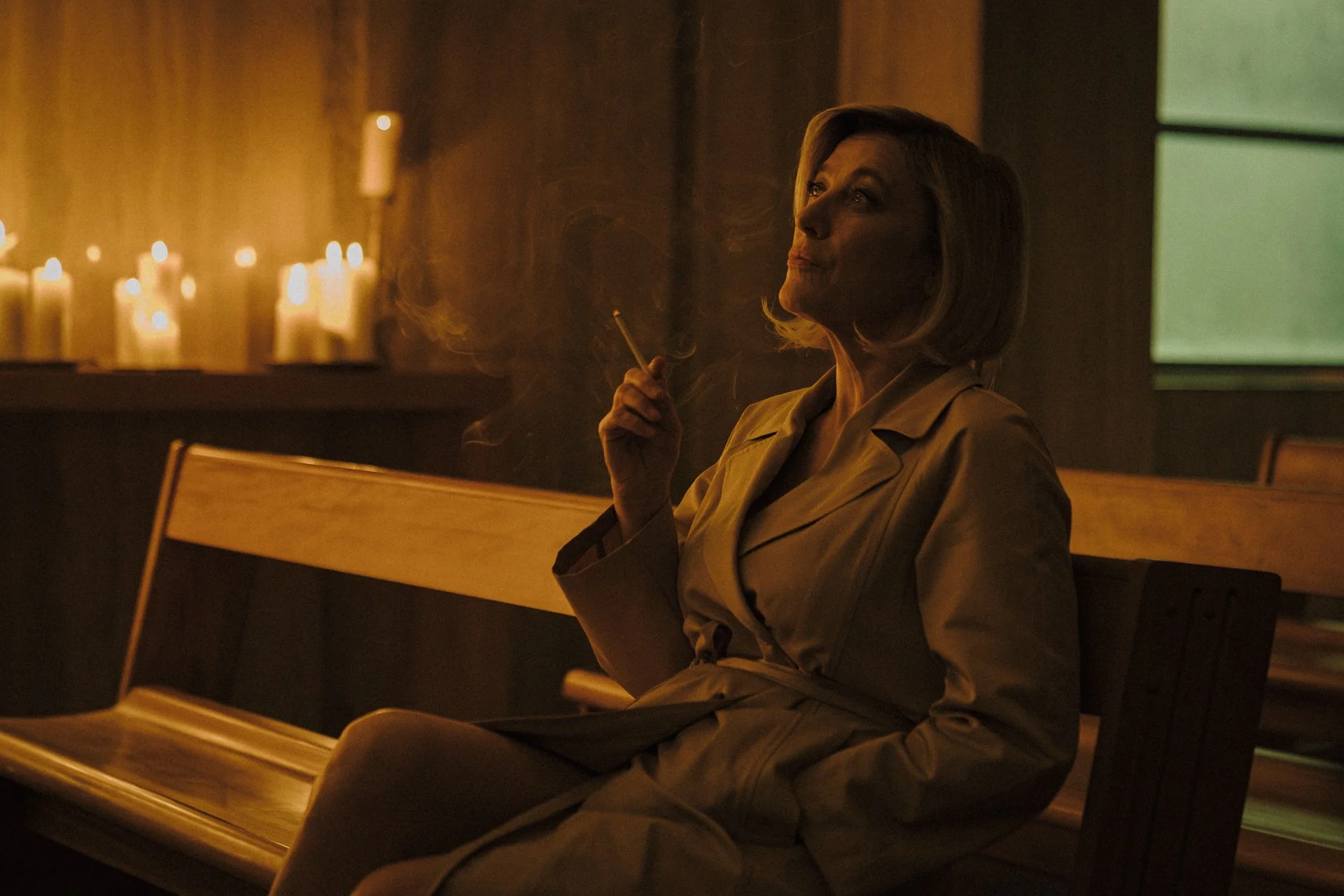
Valeria Bruni Tedeschi as The Stranger. Courtesy of the Venice Film Festival.
PB: Did you create a backstory for her? Is it important to you that she’s maybe devilish?
PS: She’s not an agent of chaos; she’s much worse than that. She’s an agent of order. Because at some point, Anna says, citing The Stranger, “It’s the natural order of things.” Putting things into order can sometimes be very dangerous because it’s like looking in the face of God. We live an experience on this Earth which is made of chaos, and this is scary. But it’s even scarier to be… It’s like knowing the date of your death. It can drive you crazy. So an agent of order telling you what will happen is a really dangerous thing for your mind. Because at the end of the day, what she's saying is, ‘You chose that. You wanted that.’ And that's much worse than saying, ‘This just happened.’ You couldn't accept that [bad] things happen, so you chose what would happen. It's your responsibility, and now you have to pay the price and [face] the consequences.
P: The cinematography of the film was very dynamic and stylish. How did you develop the film's visual language with your cinematographer Cristiano Di Nicola?
PS: We wanted to make an elegant film. We wanted to shoot it in an elegant way but with campy, trashy incursions. I think a film cannot be good if it doesn't have a little bit of bad taste inside of it. The only thing I want when watching a movie is to be surprised, and things that are too perfect, I find very boring. So of course, I just had to follow what happens to these characters. They fight so hard to protect their elegance, their appearance, but then shit happens. And when shit happens, it doesn't ask permission, and it's never pleasant. It just happens, and you have to fucking feel the blood. And you have to fucking feel the flesh. Because life is not always pleasant, and fuck cinema that is always pleasant. It has to be satisfying, not pleasant.
PB: But is there something you would never show? Is there a question in your mind of: How far can I go?
PS: Well, I cut something. I found it was too much. And there are things I have trouble showing, but I don't think this is something I am proud of. Because what we have [as filmmakers] is an incredible privilege and a responsibility, and I think everything should be told. I made this film out of respect. I know sometimes I can be pretty sadistic, but I knew the point of that, and so I’m not really worried because I have [kept] my conscience clean. There are things I don't know if I can [portray with] the same respect, and I don’t know whether I have the maturity to tell certain [stories], but I'm working on that because I don't want to have limits.
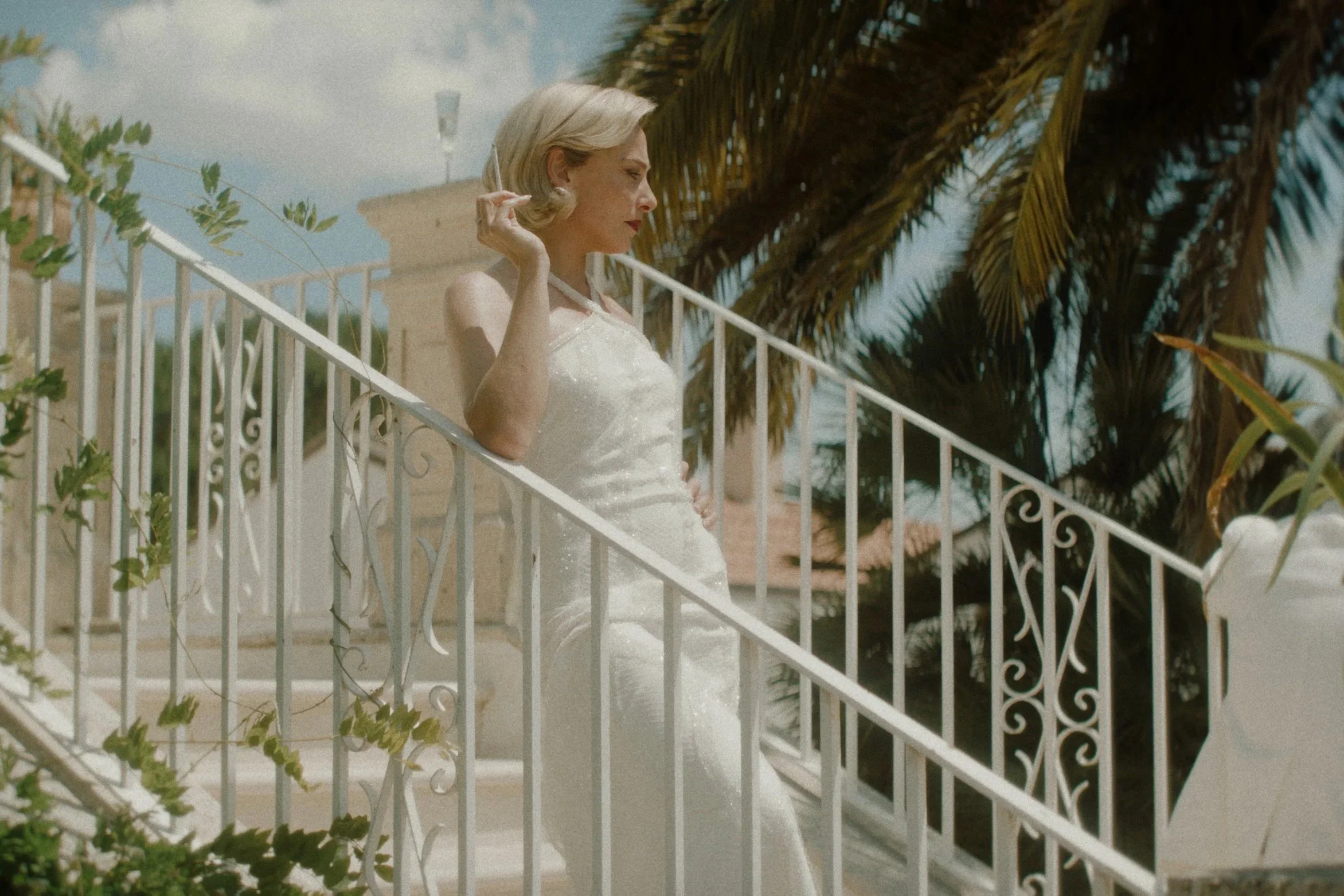
Jasmine Trinca as Anna, the film’s morally-grey protagonist. Courtesy of the Venice Film Festival.
PB: What about the label “horror”? Do you like it?
PS: Of course, I like it, but I don't think this film is a horror. I think it's a psychological thriller with some horror elements because it's my background, but I never worked on this film thinking it was a horror. I didn't work with the codes of horror as I did in my previous ones. But if people see it as a horror, it's just a compliment to me. For me, it's the most noble genre in the world, so you're just saying something that I'm happy about. Still, I have to be sincere with you. I didn't work like that. I didn't work like it was a horror.
P: The horror genre is having a very big moment with the huge success of Obsession and Backrooms, for example. What do you think of the state of horror internationally, but also in Italy?
PS: In Italy, there is no state of horror. Because there are very few, and the ones they make don’t have proper distribution or a proper release. Some of them are also very bad. I was lucky enough to have a wide release with The Holy Boy, but it was one film in one year, and I didn't see another horror film after that. So how can you speak about a horror market in Italy? This industry refuses horror, and I fought to make something in the genre in Italy, but it never got easier. So okay, I'm fucking privileged. I made it. But what is the result? It's the same since the early 90s. And I hope something will change now with the international box office success of these films you mentioned, but who knows? Internationally, people always knew horror was important. Now, it's becoming even more popular. It’s just a testament to how important horror is to [saying] something about the contemporary world, and how political it is.
PB: Is it next exit Hollywood? Have you gotten offers from Hollywood?
PS: Yeah. I got [offers]. But I want to make my films, so now I’m bringing some of my stories there. And who knows? I mean, I don’t care about Hollywood. It really scares me, by the way.
PB: A studio like A24, for instance?
PS: It would be a dream, but you know what, the only thing I want to do is stories that speak to me, in order to speak to the audience. So if they allow me to do stories that are important to me, I will do them. If not, I will find another way, another country. Maybe in Italy. I would like to do something else in Italy very soon. The next thing I will do — which I don’t know right now — will be something that’s important to me. This is the only thing I know.
The Spiral had its world premiere at the Venice Film Festival and its international premiere at TIFF. It will make its US debut at Fantastic Fest later this month.