28 Years Later: The Bone Temple Review — Brutal Sequel is a Zombie Film Like No Other
Nia DaCosta takes the reins from Danny Boyle in the middle entry of the post-apocalyptic follow-up trilogy
by Alex Kaan 14 January 2026
© Sony Pictures
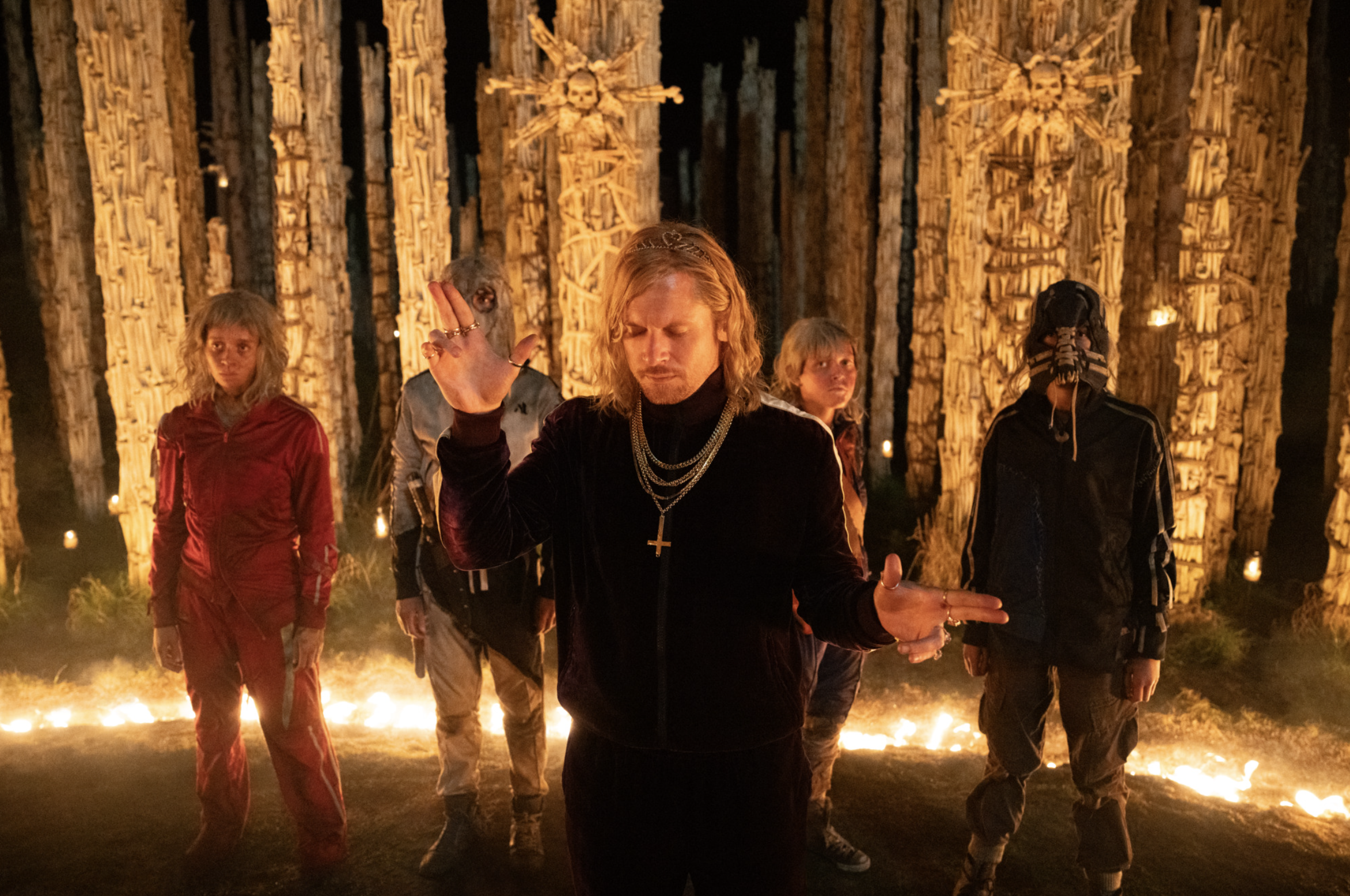
To say the least, 28 Years Later had a jarring ending. Viewers were left understandably confused when a Clockwork Orange-esque gang flipped into frame, sporting wigs and tracksuits that recalled both Jimmy Savile and the Power Rangers. The Bone Temple picks up moments after that eccentric scene, and the tonal shift works immediately. Where its predecessor was about young Spike (Alfie Williams) coming to terms with mortality and the threat of the infected, this film is centred almost exclusively on the evils of humanity.
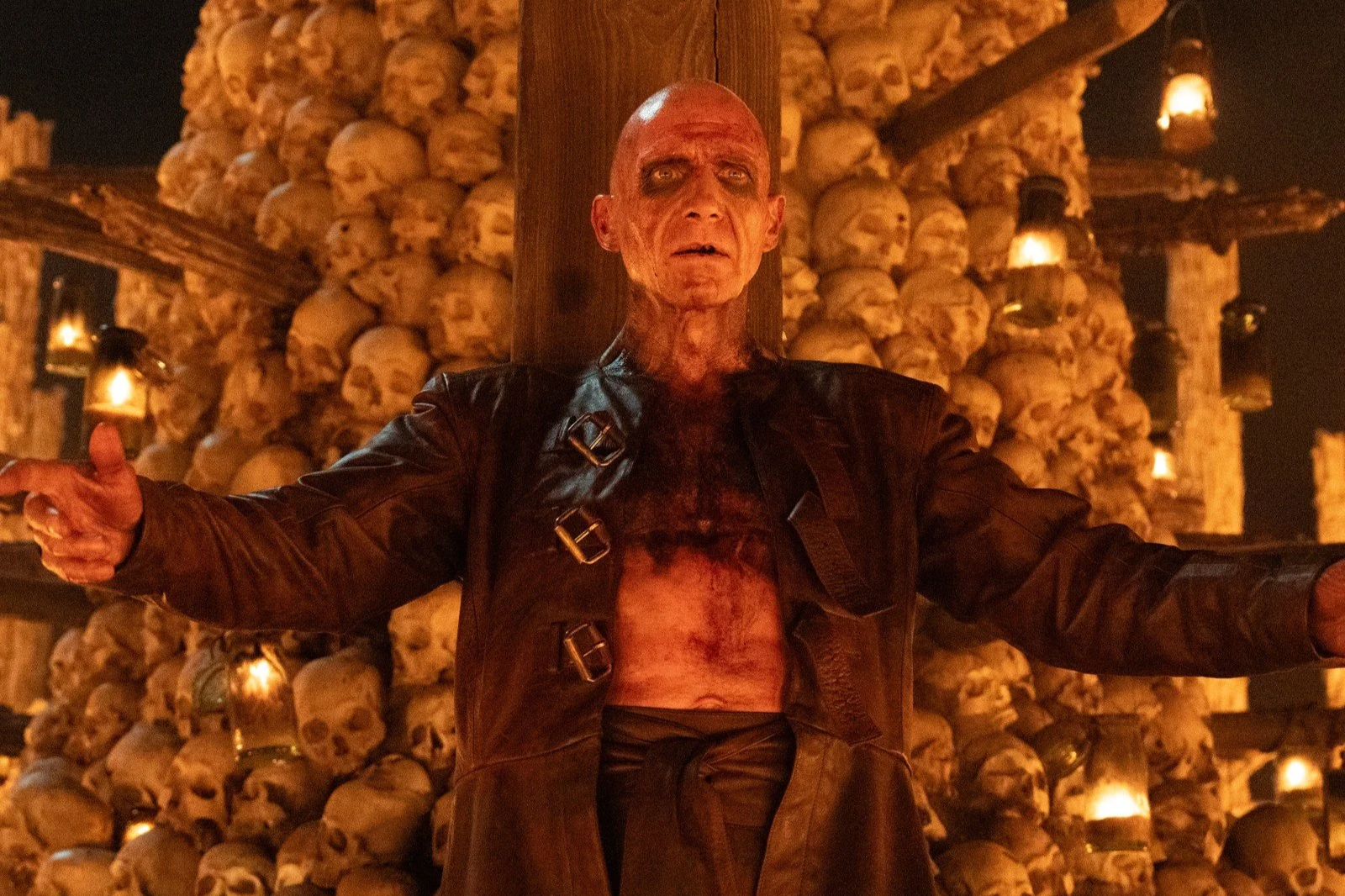
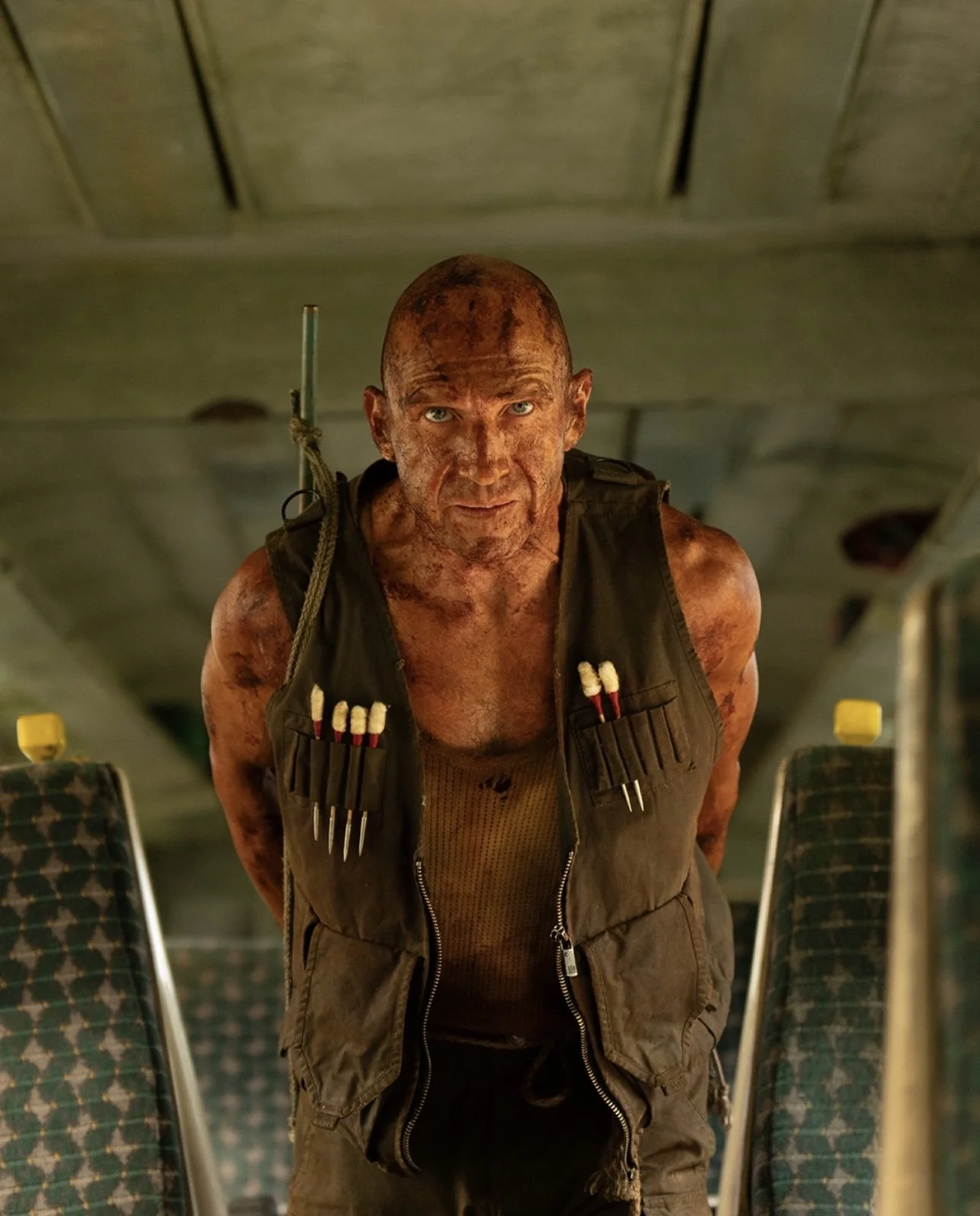
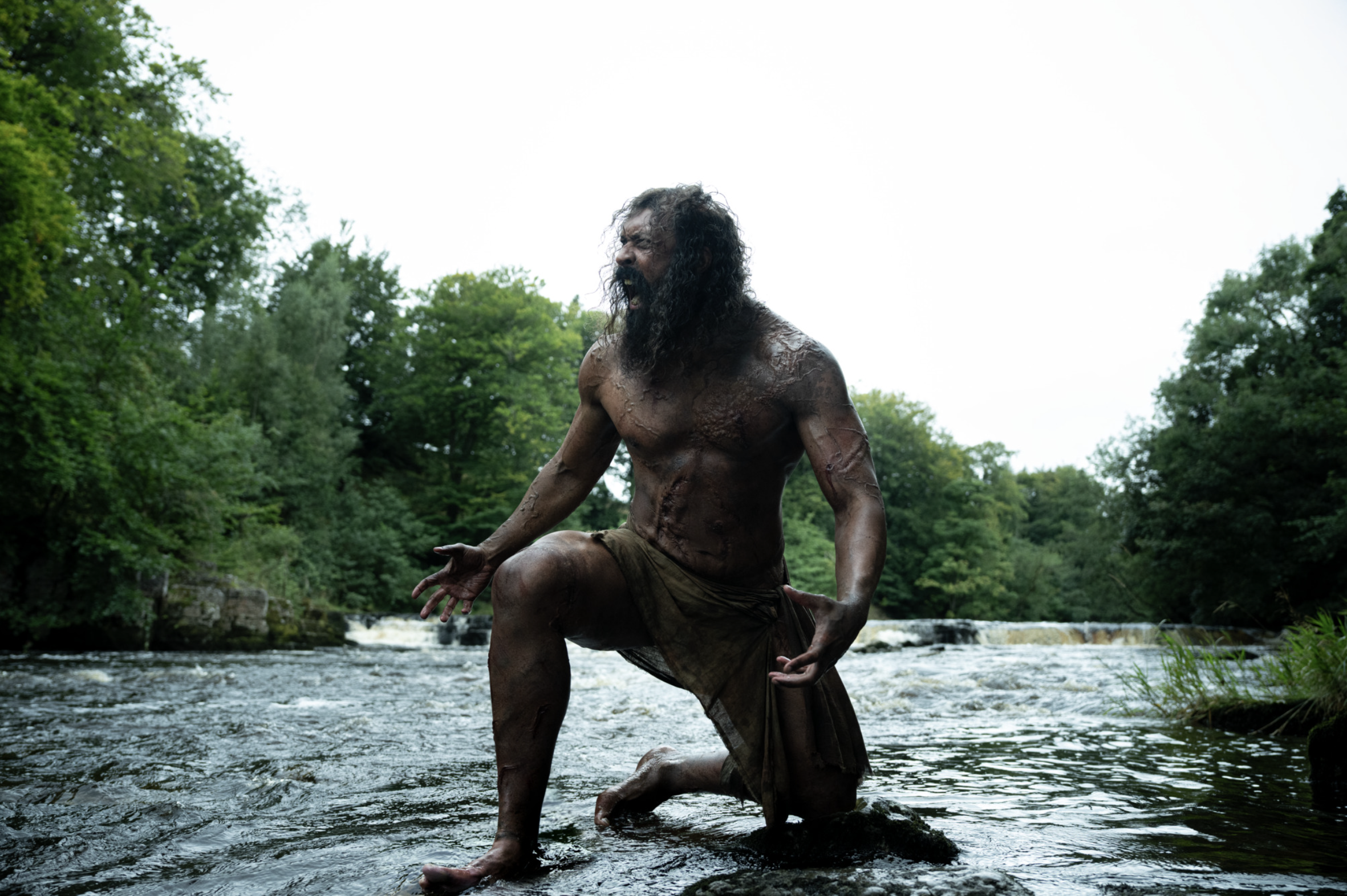
The Bone Temple unfolds in a two-pronged story. One follows Spike (Alfie Williams), not ready to return to his father (Aaron Taylor-Johnson) after the events of the first film, as he finds himself unwillingly in a violent cult led by “Sir Lord” Jimmy Crystal (Jack O’Connell). The other focuses on Dr Ian Kelson (Ralph Fiennes), the architect of the titular bone temple, where we explore the off-kilter “normalcy” of his day-to-day life before he strikes up an unusual friendship with Samson (Chi Lewis-Parry), the ferocious “Alpha” who hunted Spike and his mother (Jodie Comer) in the first film.
© Sony Pictures
Both more menacing and meditative than its predecessor, Nia DaCosta’s darker follow-up is a formidable horror film that takes commendably big swings. There’s a satanic drag performance, Ralph Fiennes singing Duran Duran to a zombie, and an excruciatingly tense scene involving a Teletubbies dance. It’s an enticingly bizarre film, but DaCosta delicately handles the disparate elements of Alex Garland’s (who penned the original 28 Days Later and Years Later) script. And despite serving as a direct continuation of Danny Boyle’s threequel, with DaCosta bringing her favoured composer, Holder Guðnadóttir, and cinematographer, Sean Bobbitt, aboard (this one’s no longer shot on iPhones), The Bone Temple feels like a standalone film.
At the heart of this gnarly, off-centre film are two sensational performances. In the span of a single year, Jack O’Connell has given us two of the great villains in modern horror cinema. If his toe-tapping antagonist in Sinners was laced with a disarming devilish charm, his maniacal cult leader in The Bone Temple is a masterful, terrifying portrayal of unmitigated evil. Meanwhile, after his scene-stealing appearance in 28 Years Later, Ralph Fiennes is front and centre in the sequel. Singing and dancing to 80s synth-pop and heavy metal when he’s not squaring off with O’Connell, Fiennes delivers a wild, moving performance as a man staying in touch with his humanity under the worst circumstances.
© Sony Pictures
However, The Bone Temple isn’t flawless like its predecessor. The pacing isn’t as tight, and while Spike’s coming-of-age story was the driving force of the previous film, he’s too sidelined here. Reckoning with humans that are more monstrous than the zombies he has faced would be a perfect continuation of his arc, but his character is underexplored—still, Alfie Williams remains excellent in the role. Similarly, the script doesn’t probe enough into the twisted mind of Jimmy Crystal. O’Connell still makes him a magnetic, imposing character, but Garland neglects to make him as complex a character as he should be.
© Sony Pictures
While not quite the home run that 28 Years Later was, The Bone Temple is a marvellously offbeat horror film that pushes the zombie genre to new heights. With a cliffhanger ending that’s sure to delight long-time fans, the prospect of the fifth and presumably final film in the franchise is an intoxicating one.
28 Years Later: The Bone Temple is now playing in UK cinemas and releases Friday in the US