Beyond the Lesbian Vampire Review: A Piercing Examination of the “Violent Lesbian” in Queer Horror Film
Sam Tabet’s new book, subtitled Reclaiming the Violent Lesbian in Contemporary Queer Horror, explores the modern revival of a complicated archetype
by Alex Kaan 20 December 2025
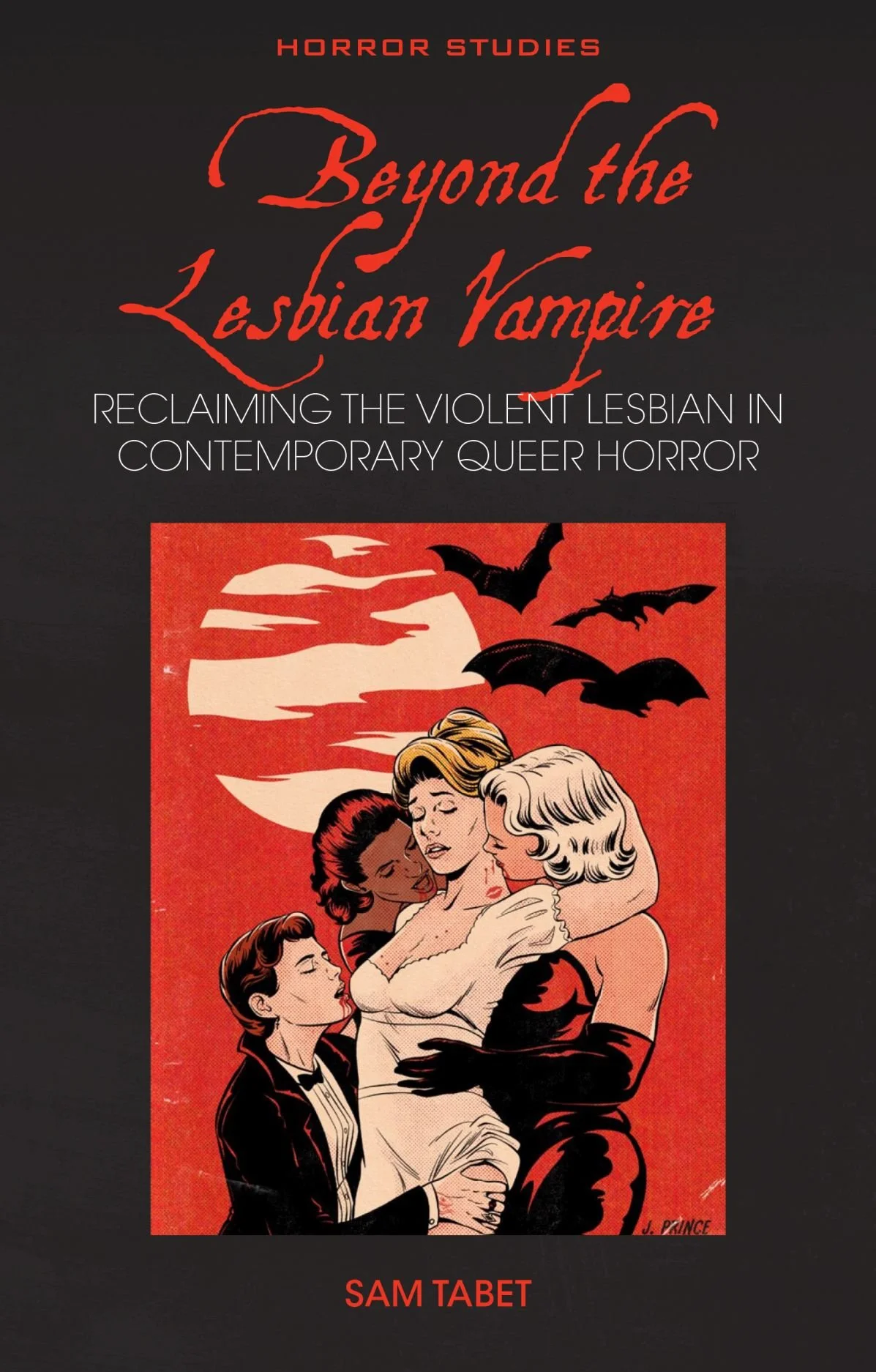
While its title may have you thinking of Carmilla and Countess Báthory, the word “beyond” does some heavy lifting in Sam Tabet’s incisive new book. Beyond the Lesbian Vampire, the latest in the Horror Studies series from University of Wales Press, does indeed begin with the bloodsucking, sapphic figure synonymous with 70s exploitation cinema, but Tabet is interested in another archetype: the “violent lesbian” of the late 2010s.
With case studies on films from The Neon Demon to The Perfection, whether exploring the vampire, witch, or a monstrous final girl, Beyond the Lesbian Vampire is a focused, thoroughly researched contribution to her field born, like many of the best works of academia, out of necessity. She notes in her introduction that the archetype has been restricted to research on violent women but absent from the recent wave of queer horror studies, which privileges either the more specific experience of gay men or that of a wider “queer” figure. Still, she acknowledges that these works by writers like Darren Elliot-Smith, alongside foundational theorists like Harry M. Benshoff and Alexander Doty, provide the building blocks for her intervention. Filling a scholarly vacuum, Tabet carves out a place for the violent lesbian in contemporary queer horror studies to revelatory effect.
© MGM
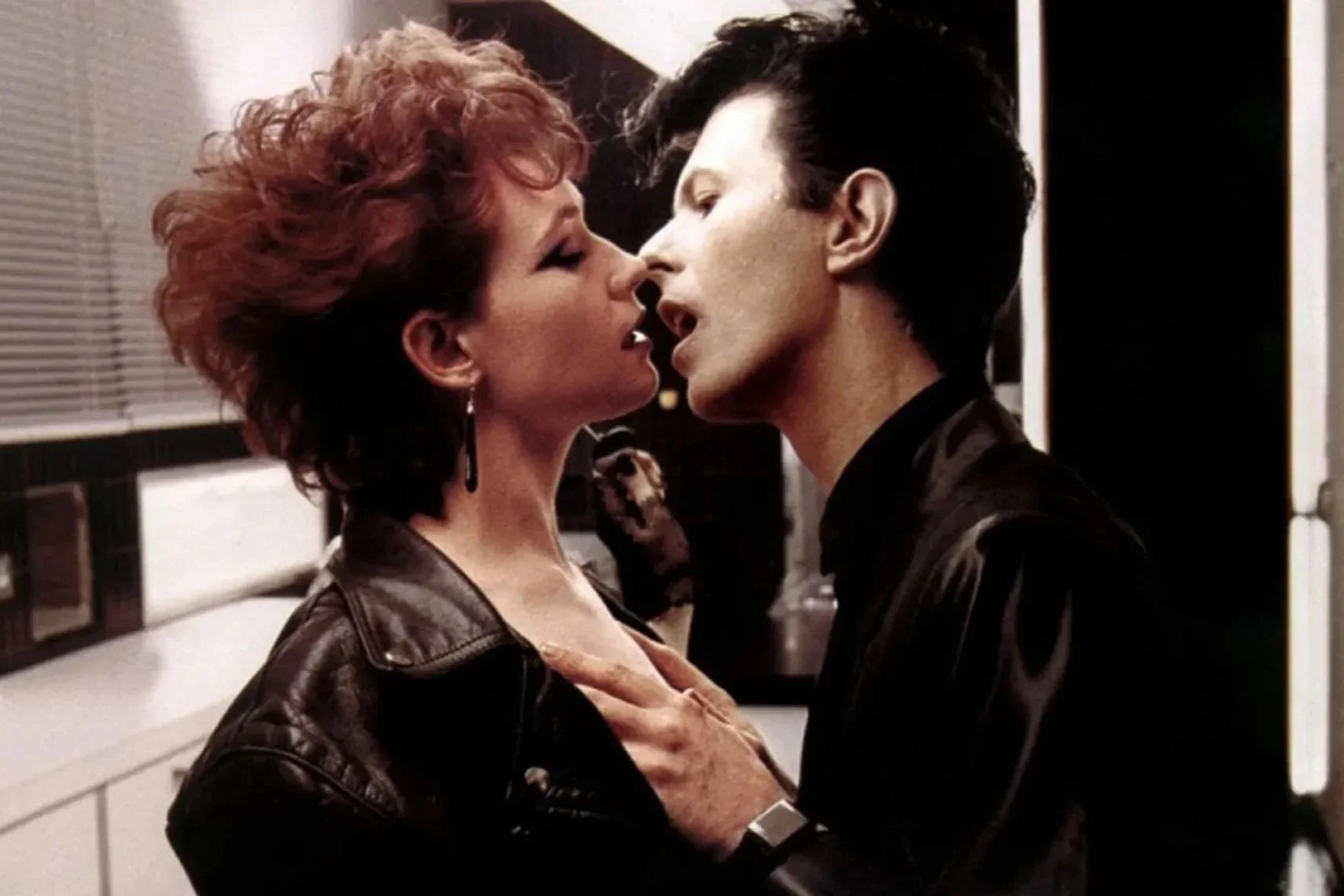
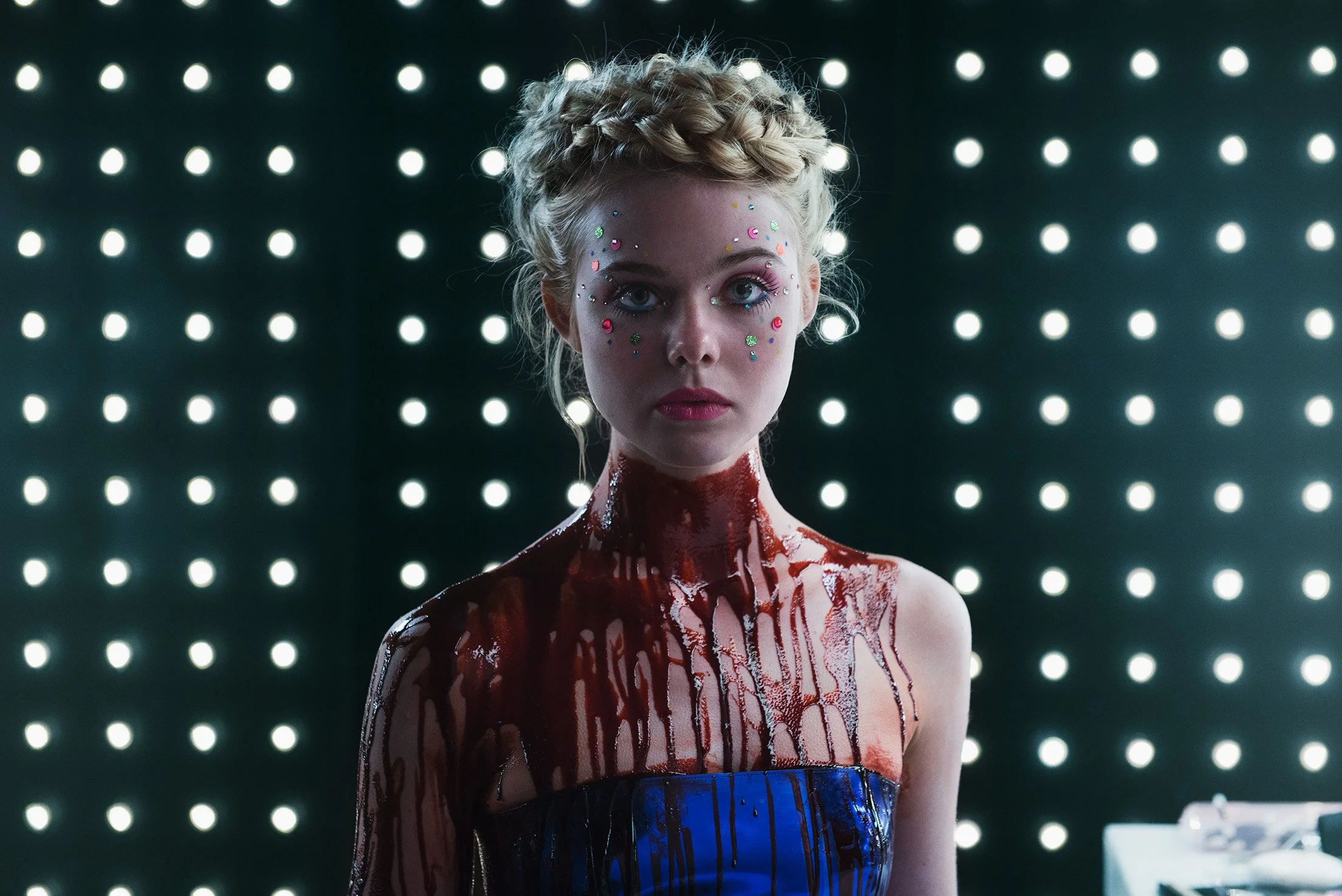
Starting with films like Daughters of Darkness and The Hunger, Tabet introduces her archetype through these queer classics before de-fanging it. Her context is the late 2010s, a period two decades removed from the murderous women couples of the 90s (Heavenly Creatures, Bound), and shortly following Orange is the New Black, where she isolates a curious pattern in which the violent lesbian is no longer a traditionally scorned problematic figure but one who reclaims historically oppressed figures (Thelma, Lizzie), plays the hero (Knife + Heart, The Perfection), and can embrace heightened depravity while still charming critics (The Neon Demon). Throughout, Tabet argues why the violent lesbian demands further consideration while also explaining why she was overlooked in the first place—leveraging a keen awareness of audience expectation and trends in academia to analyse the archetype.
© Amazon Studios
Tabet’s analysis is enriched by an unwavering adherence to political context as a framework. Foregrounding the rise of right-wing populism and reflecting on Trump’s first term from the vantage point of his second, she explores how her selected films respond to increasing attacks on queer rights, the #MeToo movement, and gay marriage legislation.
© IFC
With an approach to queer horror frameworks as seductively innovative as the sexploitation films with which it begins its analysis, Beyond the Lesbian Vampire is an exciting work of horror criticism and an assured debut from Sam Tabet.
Beyond the Lesbian Vampire is available from University of Wales Press in the UK and from The University of Chicago Press in the US