Castration Movie Anthology ii: The Best of Both Worlds Review — Alex Walton Is Astounding in Brutal, Nightmarish Sequel
Director Louise Weard paints an unflinching portrait of transfem community in the latest instalment of her Castration Anthology project
by Jesse Williams 14 December 2025
Courtesy of Muscle Distribution
The opening moments of Castration Movie Anthology ii: The Best of Both Worlds immediately set the manic tone, as a spiralling one-take follows a drugged-up trans woman into an LED-lit t4t (“trans for trans”) orgy. The handheld camera darts around mounds of powder, buckets of estrogen gel, and a smorgasbord of breasts, dog collars, and girldick, making it clear this is a far more confrontational film than the tenderhearted atmosphere of Anthology i.
It’s not that the first instalment in Canadian director Louise Weard’s Castration Movie Anthology was any less raw. Initially distributed on GumRoad to instant cult status, the four-and-a-half-hour, camcorder-shot epic starred Weard herself as Michaela, a trans woman coming to terms with her infertility while trying to uphold friendships and her career as a sex worker. But despite bleak sequences of unsimulated sex and self-destructive behaviour, as well as a confrontational approach to difficult subjects like incel culture and transition jealousy, the film had a vulnerable heart. Based partially on Weard’s personal anecdotes, it was a slow-paced, partially improvised hangout film about community: sometimes ugly, sometimes kind, but always present. Still channelling the maverick spirit of Mumblecore and Dogme 95, Louise Weard’s ketamine-laced sequel trades prevailing warmth for noxious dread, without losing an ounce of the sincerity that made Anthology I such a poignant work of genius.
Courtesy of Muscle Distribution
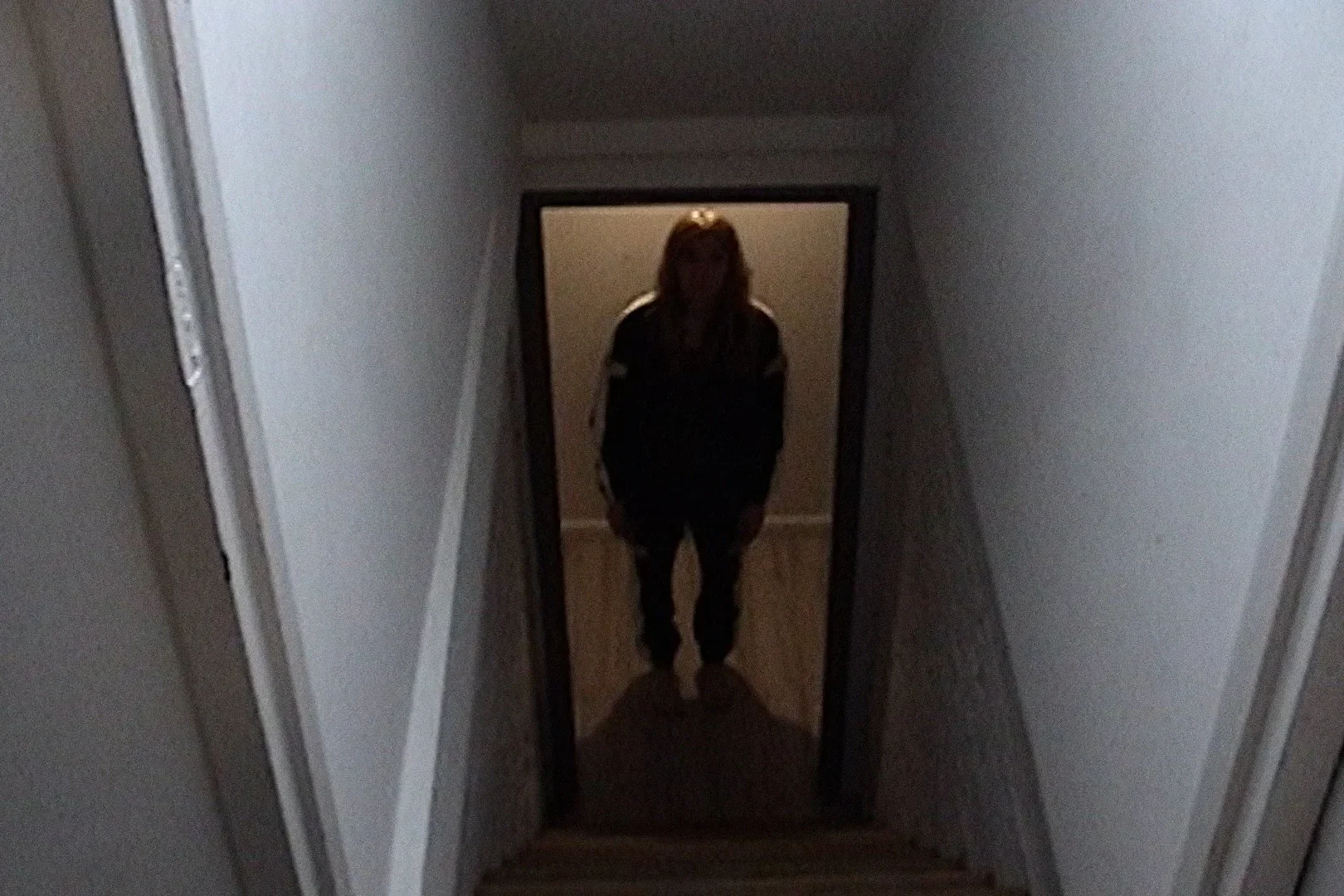
This time, Weard sets her Hi-8 camcorder on a cis-exclusionary cult of trans women, dwelling in a New York basement hidden from the dangers of the outside world. Fuelling themselves on orgies, hot dogs, and meaningless internet-sourced discourse, the cult is a distressing vision of what happens when starved, marginalised communities begin eating themselves alive. But when protagonist Circle (Alex Walton) escapes the basement and embarks on a nocturnal After Hours-esque journey, the narrative turns outwards. It becomes increasingly apparent that this is a deeply current horror film about trans women longing for safety and stability in a broken country.
The haunting opening titles set a recording of Trump signing transphobic executive orders to a foreboding folk-horror score. It plays like a fascist ritual, a reflexive sequence that instantly paints a hellish landscape of a tortured, tormented America. The sequence is pivotal: unspoken oppression lingers in the air, and we understand the allure of cultish isolationism.
Amid this bleak vision, however, is a beating heart—Alex Walton as Circle, in a revelatory central performance. Like Aoife Josie Clements' gentle depiction of Adeline in Anthology i, a character you wanted to drag out of the screen and comfort, Walton’s anxious demeanour is captivating and heart-wrenching. She’s a trans woman facing that all-too-real “‘So what now?” moment of transition, caught at a crossroads of limited career prospects, thoughts of detransition, and an uncertain future. Given the current political climate, it’s an incredibly brave performance, played with soul-bearing authenticity.
Courtesy of Muscle Distribution
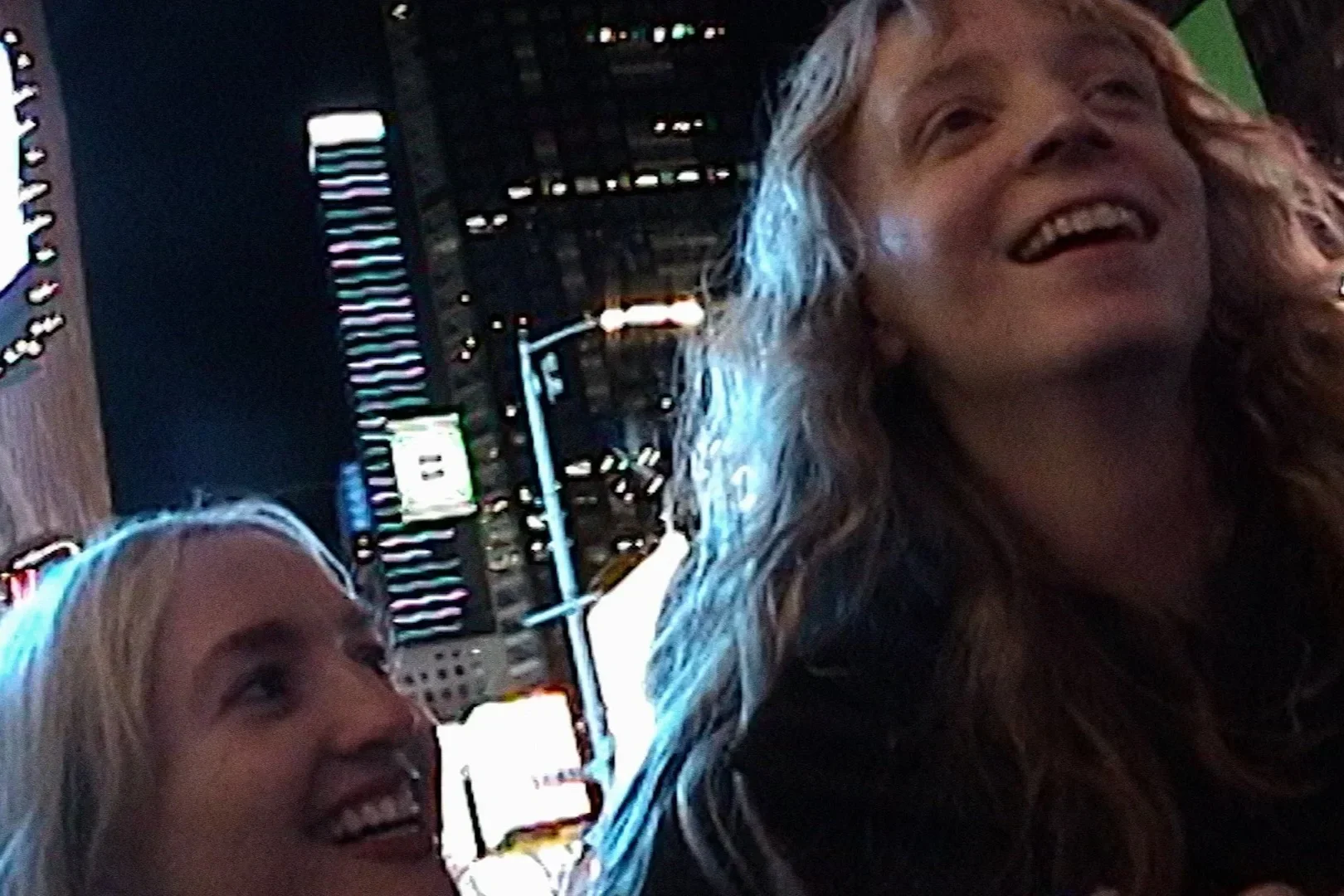
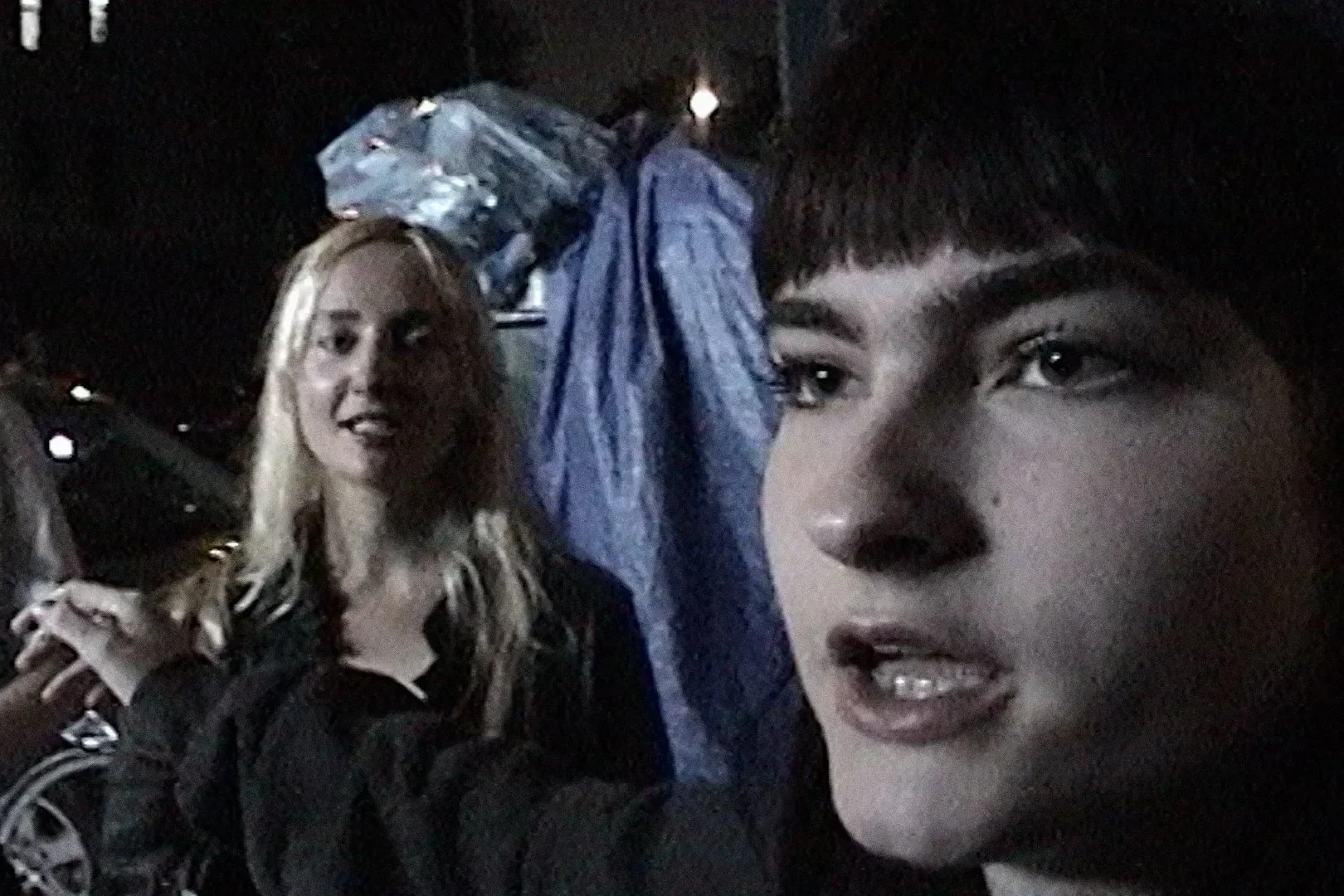
Walton is just the beginning of a vast ensemble of talent. Appearances include Alexandra McViker as an icy cult leader, Agnes Walsh as a horrendously manipulative “friend”, and Jack Haven as a shady, Lynchian lawyer. Theda Hammel, Jamilah Sandoto, Lea Rose Sebastianis, Avalon Fast... the list goes on, but it’s Ivy Wolk who steals the show as Keller, a Bushwick detransitioner with questionable intentions. She graces the screen with disarming charisma and improvised one-liners, sharply juxtaposing the deeply uncomfortable TERF rhetoric she spews. It’s a distressing screen presence that will surely unsettle many trans viewers.
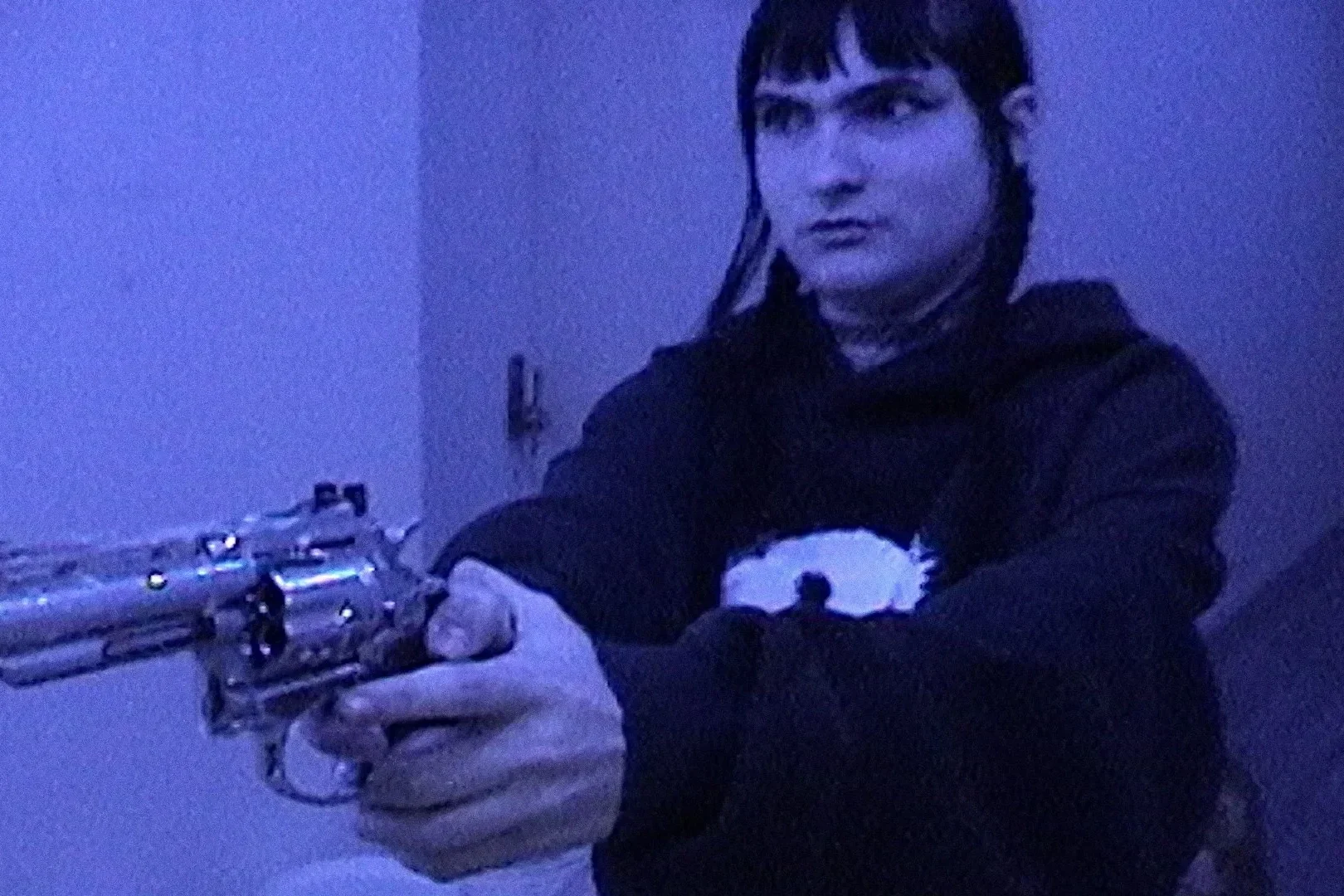
Stylistically, Weard operates with a similar visual vocabulary to Anthology i. The takes are long, the dialogue is often improvised, underlit interiors and nightlit streets fuzz into grit and grain, and the camera movements feel completely unchoreographed. But the new horror territory grants her an aesthetic with room to expand, becoming more ambitious and experimental in turn. During some of the film’s most abstract moments, subjects shot by locked-off CCTV cameras disappear into thin air, evoking Agent Jeffries' unexplained disappearance in Twin Peaks: Fire Walk with Me. It adds a liminal, subjective tone, the echo-chamber mentality of cult-like community distorting our very perceptions of reality.
Courtesy of Muscle Distribution
Weard’s visual experimentation doesn't stop there. The film’s most ambitious set piece renders a house party into a De Palma-esque split-screen, not just splitting the picture, but the audio too. Party chatter overlaps, with panned sound revealing two simultaneous perspectives. The result is a sensory overload, perfectly conjuring the disembodied experience of being exhausted at a house party full of strangers. This sequence demonstrates just how inventive Weard’s directorial instincts are. Familiar visuals from films such as Blonde Death and Eyes Wide Shut are interpolated into the internet-era, and Weard’s cinephilia synthesises with the influence of the contemporary lo-fi filmmaking native to online spaces. It’s difficult to capture just how thrilling Weard’s style feels without falling into hyperbole, but I say with sincerity: watching Weard create feels like watching a director physically rewrite the language of cinema for a generation, and a community, that grew up online.
Castration Movie Anthology ii: The Best of Both Worlds is a bitter pill to swallow. It’s confrontational, punishing, and frighteningly current, like its predecessor but torn up, bloodied, and bruised. In a 2024 blog post, Weard lamented ‘trans cinema’ being discussed as a monolith. I suspect it’s this refusal to conform to what culture claims ‘trans cinema’ should be that makes her work so uncompromisingly original. Rather than contribute to an echo chamber of cis-marketable feel-good stories, Weard instead opts to respond to the Global political conversation with a brutally honest portrait of our times. In the wrong hands, a narrative about detransitioners and a trans sex cult could slip into an amalgamation of TERF-rhetoric, but Weard and her community of collaborators continue to apply radical empathy to the fringes of community, breaking destructive cycles by extending a hand to those cast aside.
Courtesy of Muscle Distribution
Who knows what shocks next year’s Anthology iii: The Year of the Hyena may bring, but with each instalment, Weard’s epic seems to grow more confrontational, more tender, and more essential. Two parts in, the Castration Movie Anthology already stands as one of the boldest projects in contemporary independent cinema, a modern landmark and a masterpiece in the making.
Castration Movie Anthology ii: The Best of Both Worlds is available for rental on Matchbox Cine’s Online Cinema, or for purchase alongside Anthology i on Louise Weard’s GumRoad
Castration Movie Anthology ii: The Best of Both Worlds Review — Alex Walton Is Astounding in Brutal, Nightmarish Sequel
Director Louise Weard paints an unflinching portrait of transfem community in the latest instalment of her Castration Anthology project
by Jesse Williams 14 December 2025
Courtesy of Muscle Distribution
The opening moments of Castration Movie Anthology ii: The Best of Both Worlds immediately set the manic tone, as a spiralling one-take follows a drugged-up trans woman into an LED-lit t4t (“trans for trans”) orgy. The handheld camera darts around mounds of powder, buckets of estrogen gel, and a smorgasbord of breasts, dog collars, and girldick, making it clear this is a far more confrontational film than the tenderhearted atmosphere of Anthology i.
It’s not that the first instalment in Canadian director Louise Weard’s Castration Movie Anthology was any less raw. Initially distributed on GumRoad to instant cult status, the four-and-a-half-hour, camcorder-shot epic starred Weard herself as Michaela, a trans woman coming to terms with her infertility while trying to uphold friendships and her career as a sex worker. But despite bleak sequences of unsimulated sex and self-destructive behaviour, as well as a confrontational approach to difficult subjects like incel culture and transition jealousy, the film had a vulnerable heart. Based partially on Weard’s personal anecdotes, it was a slow-paced, partially improvised hangout film about community: sometimes ugly, sometimes kind, but always present. Still channelling the maverick spirit of Mumblecore and Dogme 95, Louise Weard’s ketamine-laced sequel trades prevailing warmth for noxious dread, without losing an ounce of the sincerity that made Anthology I such a poignant work of genius.
Courtesy of Muscle Distribution
This time, Weard sets her Hi-8 camcorder on a cis-exclusionary cult of trans women, dwelling in a New York basement hidden from the dangers of the outside world. Fuelling themselves on orgies, hot dogs, and meaningless internet-sourced discourse, the cult is a distressing vision of what happens when starved, marginalised communities begin eating themselves alive. But when protagonist Circle (Alex Walton) escapes the basement and embarks on a nocturnal After Hours-esque journey, the narrative turns outwards. It becomes increasingly apparent that this is a deeply current horror film about trans women longing for safety and stability in a broken country.
The haunting opening titles set a recording of Trump signing transphobic executive orders to a foreboding folk-horror score. It plays like a fascist ritual, a reflexive sequence that instantly paints a hellish landscape of a tortured, tormented America. The sequence is pivotal: unspoken oppression lingers in the air, and we understand the allure of cultish isolationism.
Amid this bleak vision, however, is a beating heart—Alex Walton as Circle, in a revelatory central performance. Like Aoife Josie Clements' gentle depiction of Adeline in Anthology i, a character you wanted to drag out of the screen and comfort, Walton’s anxious demeanour is captivating and heart-wrenching. She’s a trans woman facing that all-too-real “‘So what now?” moment of transition, caught at a crossroads of limited career prospects, thoughts of detransition, and an uncertain future. Given the current political climate, it’s an incredibly brave performance, played with soul-bearing authenticity.
Courtesy of Muscle Distribution
Walton is just the beginning of a vast ensemble of talent. Appearances include Alexandra McViker as an icy cult leader, Agnes Walsh as a horrendously manipulative “friend”, and Jack Haven as a shady, Lynchian lawyer. Theda Hammel, Jamilah Sandoto, Lea Rose Sebastianis, Avalon Fast... the list goes on, but it’s Ivy Wolk who steals the show as Keller, a Bushwick detransitioner with questionable intentions. She graces the screen with disarming charisma and improvised one-liners, sharply juxtaposing the deeply uncomfortable TERF rhetoric she spews. It’s a distressing screen presence that will surely unsettle many trans viewers.
Stylistically, Weard operates with a similar visual vocabulary to Anthology i. The takes are long, the dialogue is often improvised, underlit interiors and nightlit streets fuzz into grit and grain, and the camera movements feel completely unchoreographed. But the new horror territory grants her an aesthetic with room to expand, becoming more ambitious and experimental in turn. During some of the film’s most abstract moments, subjects shot by locked-off CCTV cameras disappear into thin air, evoking Agent Jeffries' unexplained disappearance in Twin Peaks: Fire Walk with Me. It adds a liminal, subjective tone, the echo-chamber mentality of cult-like community distorting our very perceptions of reality.
Courtesy of Muscle Distribution
Weard’s visual experimentation doesn't stop there. The film’s most ambitious set piece renders a house party into a De Palma-esque split-screen, not just splitting the picture, but the audio too. Party chatter overlaps, with panned sound revealing two simultaneous perspectives. The result is a sensory overload, perfectly conjuring the disembodied experience of being exhausted at a house party full of strangers. This sequence demonstrates just how inventive Weard’s directorial instincts are. Familiar visuals from films such as Blonde Death and Eyes Wide Shut are interpolated into the internet-era, and Weard’s cinephilia synthesises with the influence of the contemporary lo-fi filmmaking native to online spaces. It’s difficult to capture just how thrilling Weard’s style feels without falling into hyperbole, but I say with sincerity: watching Weard create feels like watching a director physically rewrite the language of cinema for a generation, and a community, that grew up online.
Castration Movie Anthology ii: The Best of Both Worlds is a bitter pill to swallow. It’s confrontational, punishing, and frighteningly current, like its predecessor but torn up, bloodied, and bruised. In a 2024 blog post, Weard lamented ‘trans cinema’ being discussed as a monolith. I suspect it’s this refusal to conform to what culture claims ‘trans cinema’ should be that makes her work so uncompromisingly original. Rather than contribute to an echo chamber of cis-marketable feel-good stories, Weard instead opts to respond to the Global political conversation with a brutally honest portrait of our times. In the wrong hands, a narrative about detransitioners and a trans sex cult could slip into an amalgamation of TERF-rhetoric, but Weard and her community of collaborators continue to apply radical empathy to the fringes of community, breaking destructive cycles by extending a hand to those cast aside.
Courtesy of Muscle Distribution
Who knows what shocks next year’s Anthology iii: The Year of the Hyena may bring, but with each instalment, Weard’s epic seems to grow more confrontational, more tender, and more essential. Two parts in, the Castration Movie Anthology already stands as one of the boldest projects in contemporary independent cinema, a modern landmark and a masterpiece in the making.
Castration Movie Anthology ii: The Best of Both Worlds is available for rental on Matchbox Cine’s Online Cinema, or for purchase alongside Anthology i on Louise Weard’s GumRoad