Hokum Review—Adam Scott’s Witchy Irish Folk Horror Nightmare is a Shriek-Inducing Masterpiece
The Severance star checks into a haunted hotel in the latest from Oddity writer-director Damian McCarthy
by Alex Kaan 15 March 2026
© NEON
If you don’t know the name Damian McCarthy, you will soon. The Irish indie horror auteur has two films under his belt, Caveat (2020) and Oddity (2024), which both specialise in unsettling ambience, a streak of dark humour, and a carefully crafted sense of dread. With his latest effort, already acquired by prominent independent studio NEON (Anora, The Monkey), all of these qualities are heightened and then some. Unfolding in a remote Irish hotel, Hokum’s tale of a reclusive novelist’s confrontation with evil is atmospheric, old-school horror that deserves to be a breakout hit in the vein of Hereditary and Longlegs. This is a towering achievement in indie horror filmmaking.
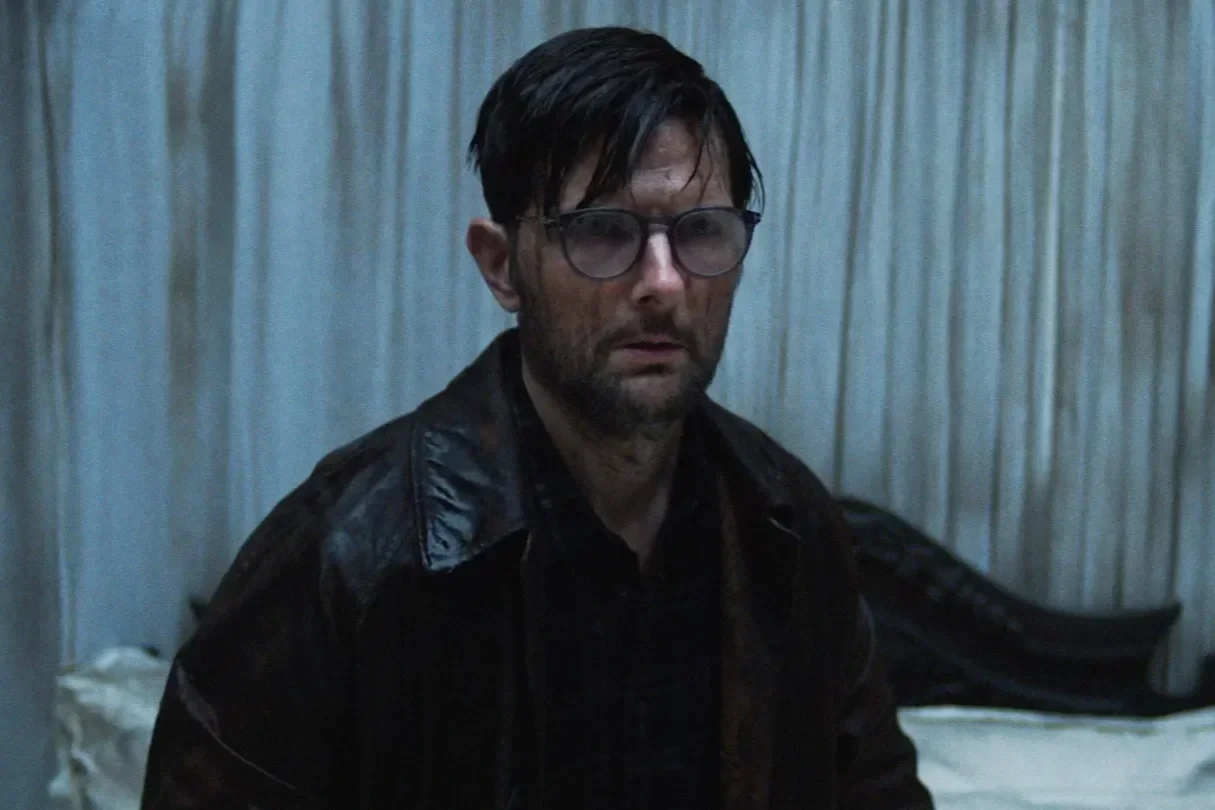
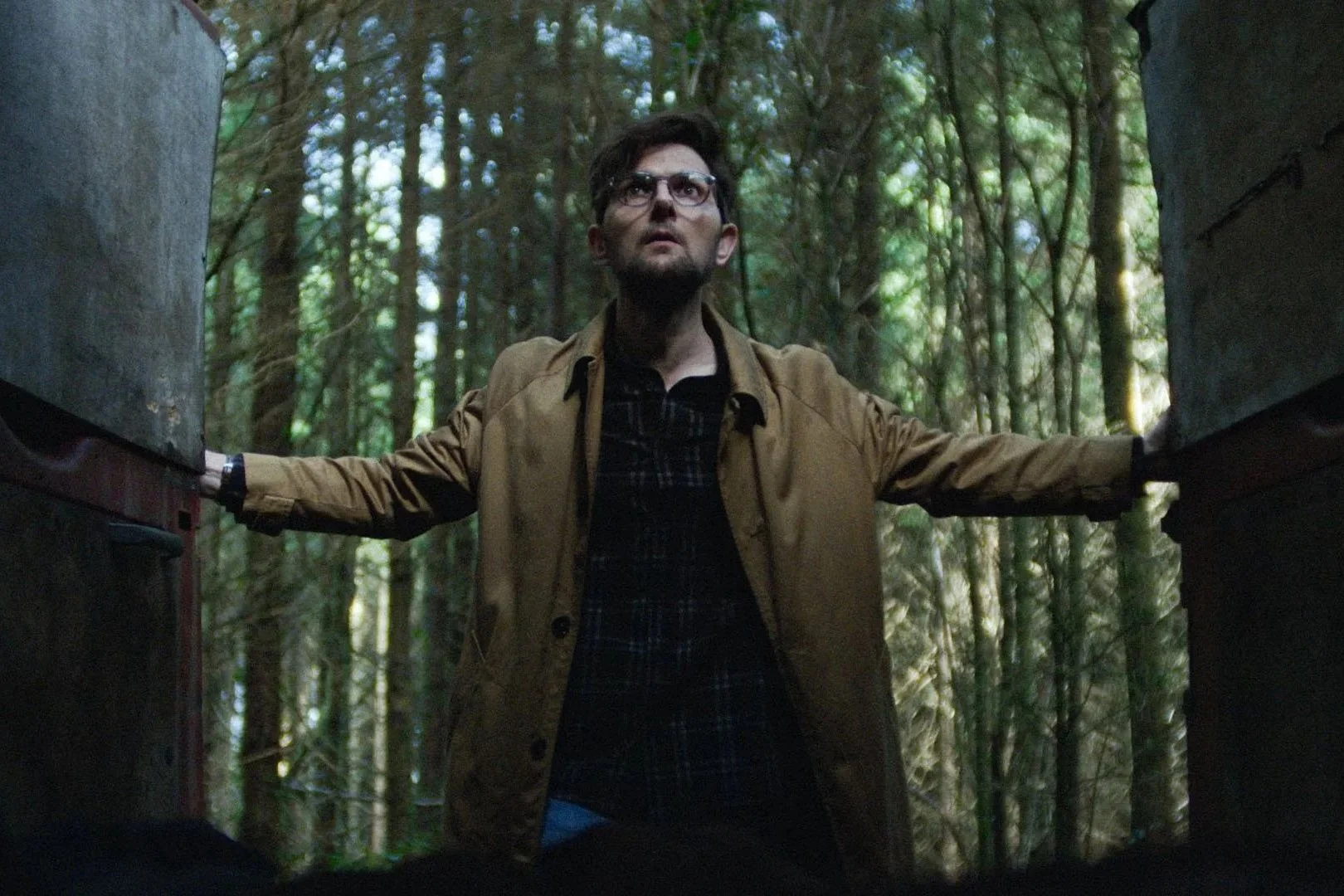
On the verge of writing the conclusion to his popular Conquistador series, celebrated author Ohm Bauman travels to the Irish countryside to scatter his parents’ ashes at the inn where they spent their honeymoon. After overhearing the owner (Brendan Conroy) telling two poor young boys about a local witch, the curmudgeonly writer asks the receptionist, Mal (Peter Coonan), for a room as far away from the next night’s Halloween festivities as possible. Rude to a fault, Bauman is especially unkind to a bellboy (Will O’Connell) who tells him he’s an aspiring writer, but he warms ever so slightly to town “pest” Jerry (David Wilmot), a vagabond who spends his time drinking magic mushroom-infused milk, and bartender Fiona (Florence Ordesh), whom he says reminds him of his late mother. After dismissing the staff’s folkloric tales as “hokum”, a strange disappearance makes him determined to explore the one room that has been locked for years: the supposedly cursed honeymoon suite.
© NEON
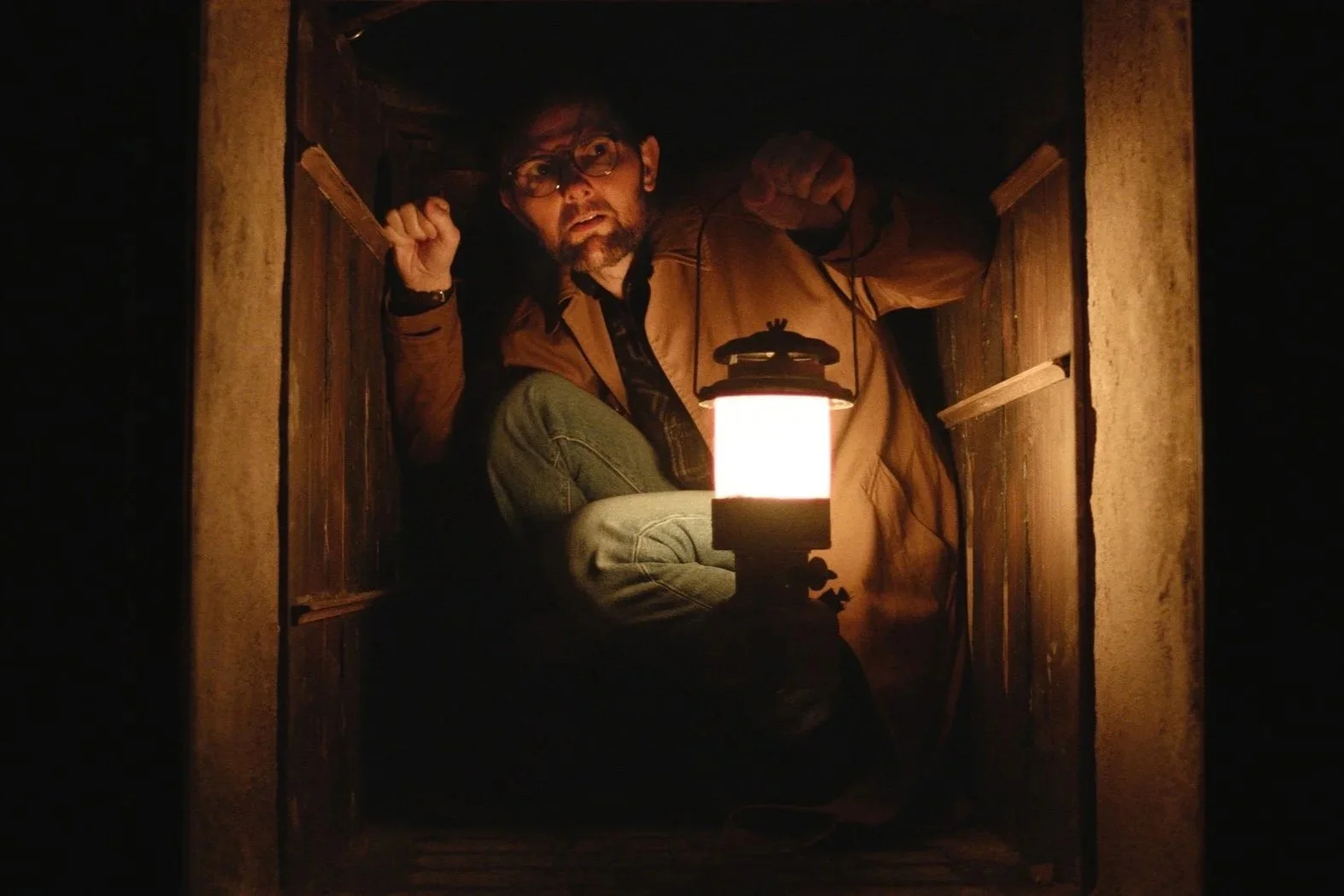
While never easing up on genre thrills, these early moments offer an important glance into Bauman’s grief-stricken psyche. Horror can fall into the trap of either neglecting character development to get to the carnage quicker or over-explaining the emotional journey with a heavy hand. McCarthy’s script comfortably walks that tightrope, with every interaction with the, in Bauman’s words, “oddball” locals revealing a new side to the writer. The character moments pay off because, when he eventually does get into the honeymoon suite, we spend large stretches of the film with Bauman alone—without any dialogue.
With beautifully eerie production design, a blood-curdling score, and some of the most uncanny monsters in recent memory, McCarthy and his collaborators make your stay at the Bilberry Woods Hotel an ecstatically chilling ordeal that you won’t be able to shake. Balancing expertly-crafted jump scares with patient, moody sequences, this concentrated dose of terror plays as the inevitable expansion of the tone he had established with Oddity and Caveat. The increased budget has evidently gone into the sets, and cinematographer Colm Hogan wisely lingers on production designer Til Frohlich’s kitschy, creepy flourishes. Meanwhile, the tension is kept in check thanks to resident The Conjuring universe composer Joseph Bishara and his hellish soundscape.
© NEON
Making himself right at home again in the genre, Severance star Adam Scott’s superb, layered turn somehow makes you empathise with his cruel yet broken writer. Delivering a stirring dramatic performance, he also leverages his comedy background—and rarely has a horror film earned such big laughs without losing its capacity to terrify. The Irish cast is equally, unanimously impressive, with Wilmot’s hallucinogenic-drinking oddball a particular highlight.
Concluding to rapturous applause at its SXSW premiere, Hokum will be responsible for many sleepless nights—and will certainly prove to be one of the scariest films of the year, if not the decade.