Noel Paul on How He Directed Mitski’s Shirley Jackson-Inspired Music Video
The filmmaker reflects on his horror-tinged promo clip for “Where’s My Phone?”
by Lana Thorn 18 February 2026
Courtesy of Noel Paul
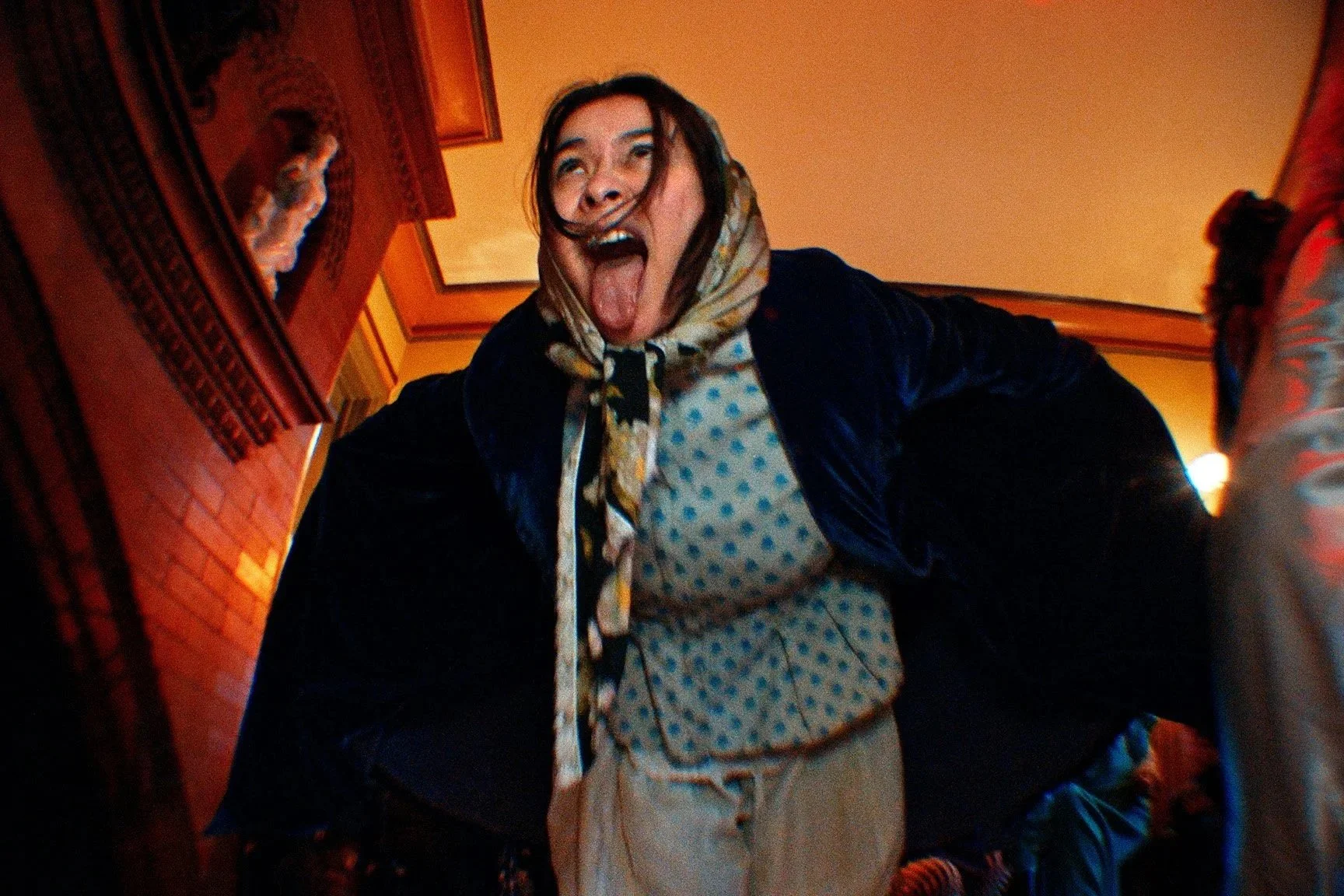
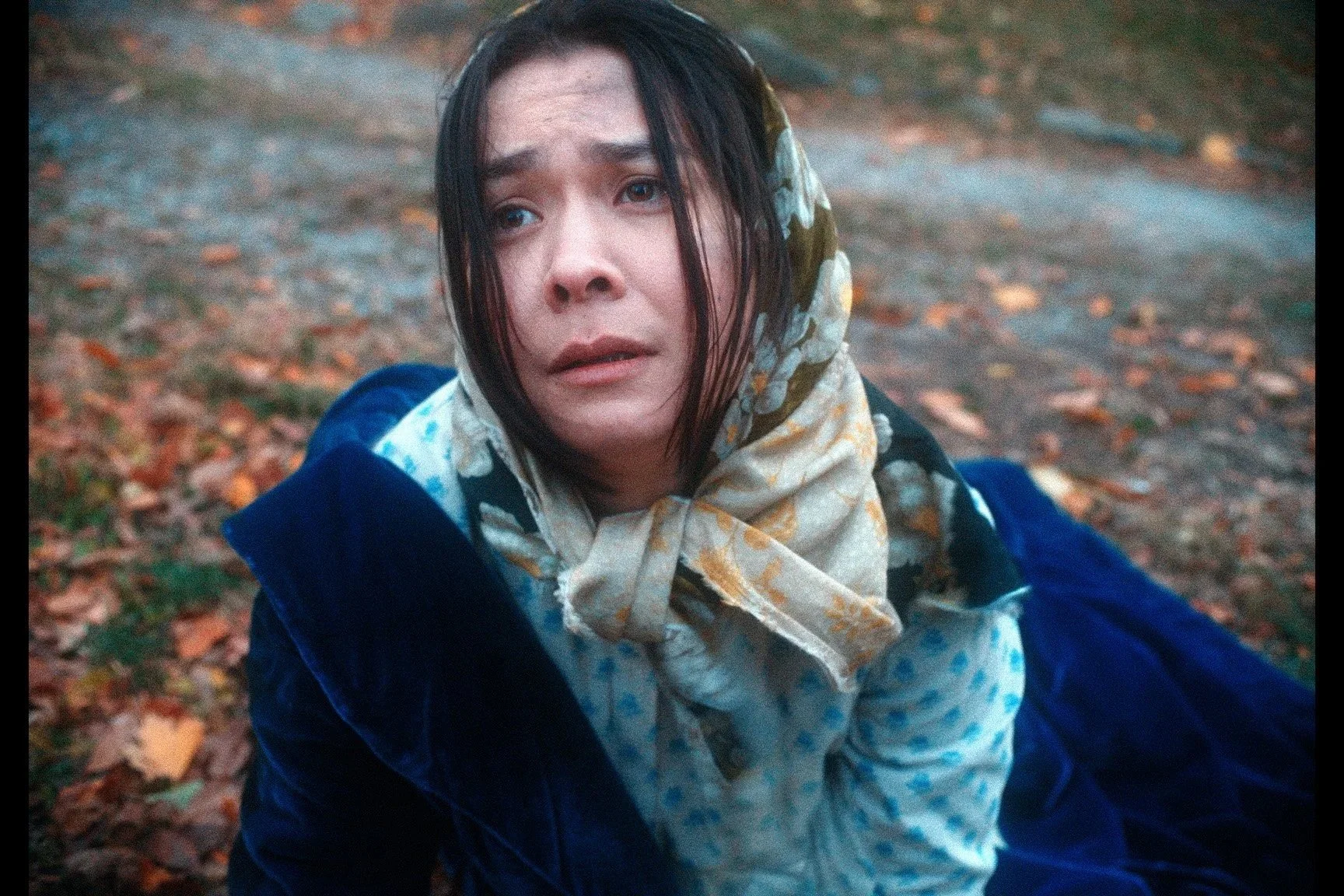
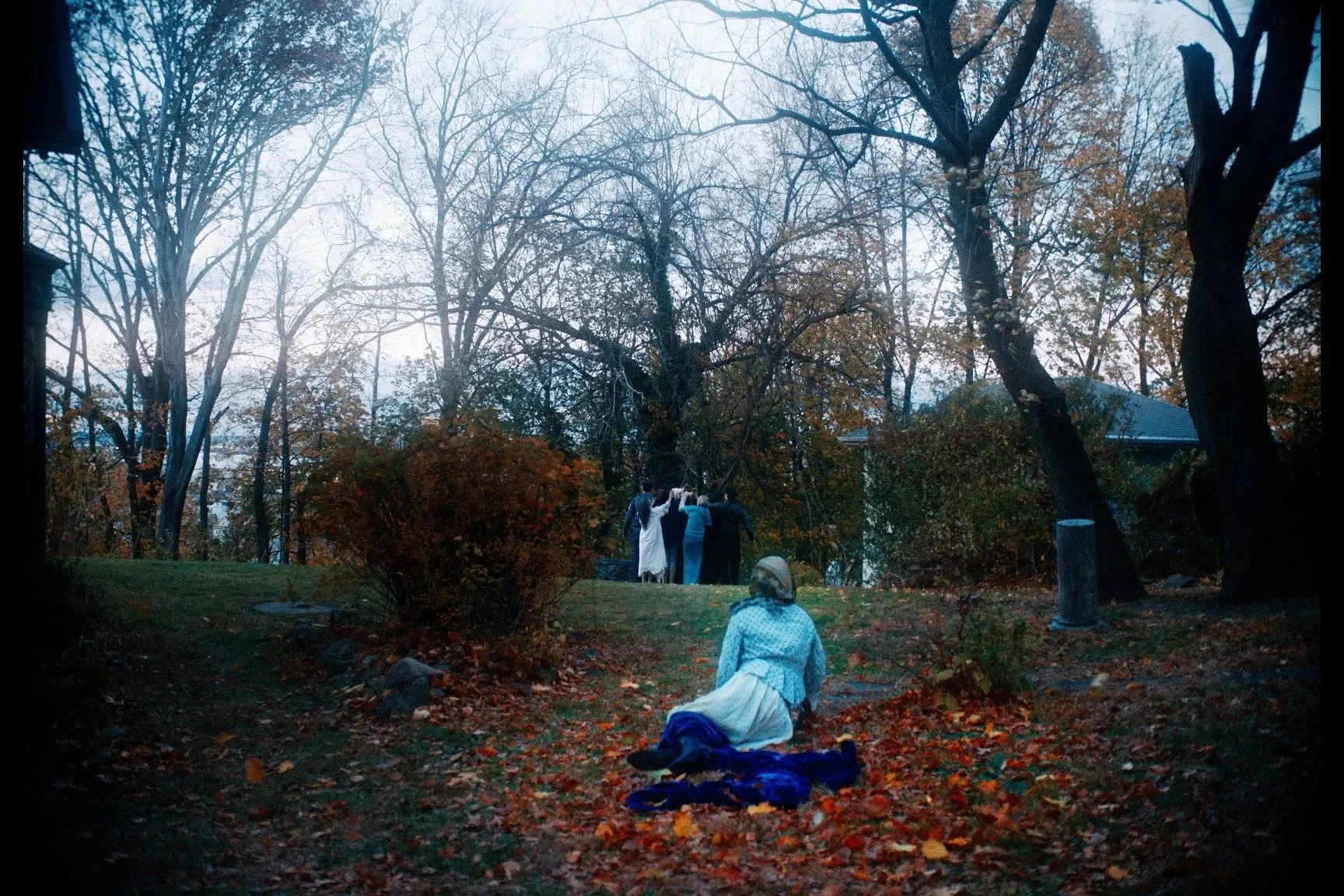
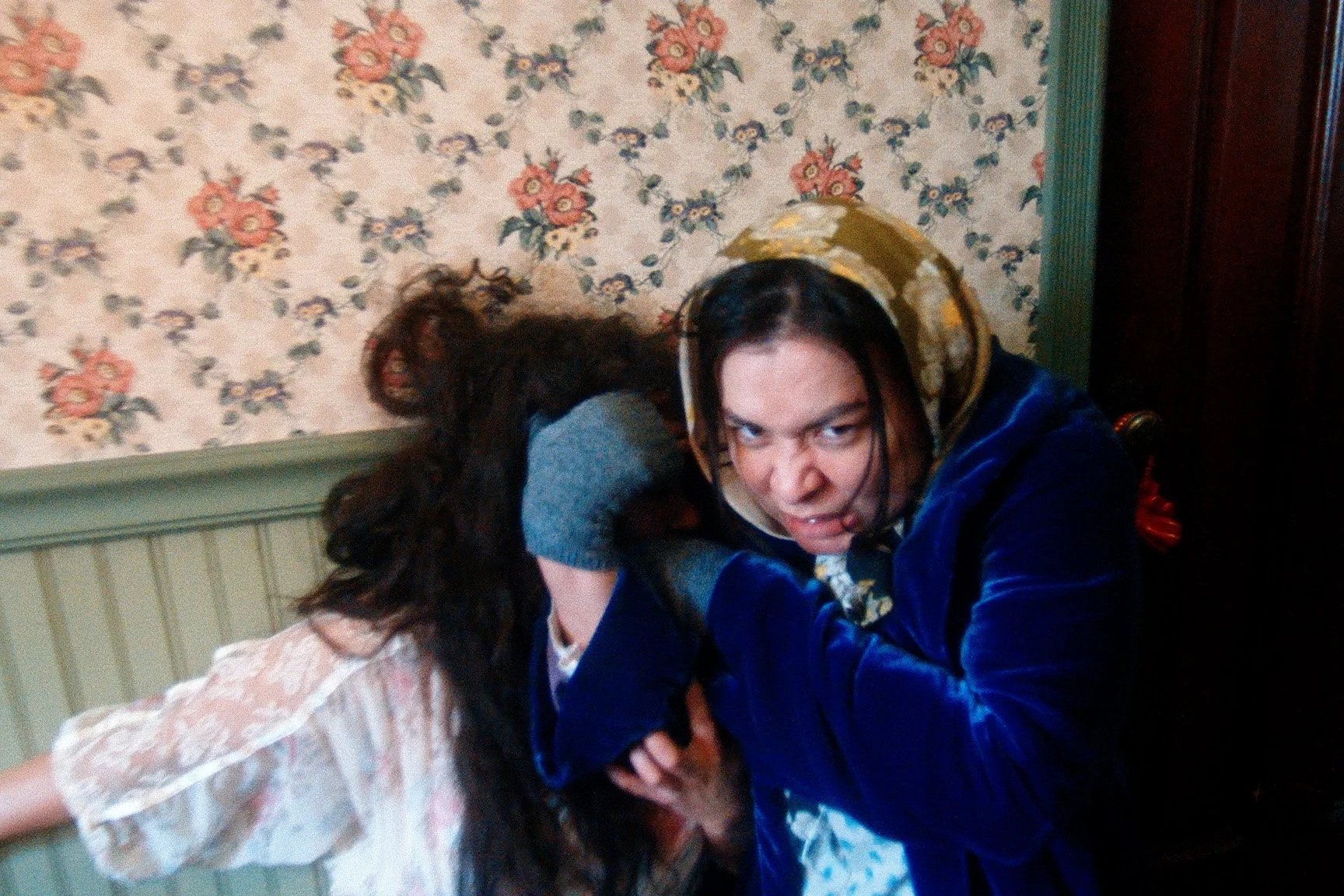
The music video for “Where’s My Phone?”, the lead single from the latest album by acclaimed singer-songwriter and indie darling Mitski, is a playful, nightmarish slice of New England Gothic. Filmed at the historic W.S. Pendleton House in Staten Island, the chaotic clip sees the “Nobody” singer frantically try to protect a young woman (Madison Wada) from a creepy cast of characters—from a stone-faced milkman to an uncanny cabal of Victorian carolers. Captured largely through fish-eye lenses, the frantic, fable-like narrative even culminates in murder.
The filmmaker behind the video, Noel Paul—who has directed music videos for Geese and Father John Misty, as well as the clip for Mitski’s “Bug Like an Angel”—singled out an element in the singer’s brief: the inspiration of a psychological horror novel by The Haunting of Hill House author Shirley Jackson. Calling us over Zoom, the New York/London-based creative breaks down the video’s Gothic literary influence, how he worked with Mitski to shape her committed, scream-heavy performance, and the enduring value of music videos in a rapidly changing industry.
Courtesy of Noel Paul
Phantasmag: Reuniting with Mitski after ‘Bug Like an Angel’, how did she approach you for this track, and what was the brief like?
Noel Paul: Her manager hit me up and said, ‘Hey, would you be interested in pitching on another Mitski video?’ And I said, ‘Yes, of course’ [Laughs]. The brief was really interesting. It said that she was inspired by the first chapter of Shirley Jackson's short novel, We Have Always Lived in the Castle. She wasn't asking people to recreate it in any way; she just used it as a reference. And this idea of a reclusive, paranoid cat lady living alone in a home that is full of generations’ worth of ‘inherited trauma’—the expression she used—I believe that’s central to her whole album campaign. I'd never read any Shirley Jackson, so I read it along with The Haunting of Hill House.
The other thing in Mitski’s brief was that she wanted the video to be absurd, even comical. She didn’t care how she looked or came off. She was happy to do a fight scene. Her instinct was that she should be trying to do some errand, but constantly be obstructed by some obstacle. Her briefs are great because they're really specific but also really open. ‘Bug Like an Angel’ was similar. It was her idea that she would be playing guitar next to a choir that was busking on the street outside a bar at night. The initial image was hers, then I put my spin on it. It was similar with this one. After reading Shirley Jackson—which I loved, it’s so funny and sharp—I proposed that the obstacles Mitski’s encountering in the video should be people. So I thought: Why don’t we borrow the premise of the Jackson book and have Mitski protecting a younger girl who could be her sister or her daughter?
P: When you first get a brief like this, especially when it’s at once specific and open, what are your first steps—in this case, after you read the novel?
NP: In my first collaboration with Mitski, on ‘Bug Like an Angel’, my thought was: ’What if the star of the video is actually a drunk woman who walks by?’ It was a deliberate choice that I felt suited her concept well. I also thought it would be an interesting thing to do with an artist who, up to that point, was always carrying her videos with her performance. So when the opportunity came up to work with her again, I knew I wanted her performance to carry the video.
‘Where’s My Phone’ is a silent film, essentially. And it has, I don’t know, 100 shots or more. It's the opposite of ‘Bug Like an Angel’. ‘Where is My Phone?’ is a song that’s full of this paranoid, anxious energy. It has this guitar solo that’s the best guitar solo I've heard in a long time. It's so angry and expressive. I wanted to do something totally unhinged for it. We dressed Mitski in an almost frumpy way, and the video isn’t very slick. Everything is warped by the fisheye lenses. And then because of the frame rates we're shooting at, there’s always motion blur, so almost no shots are really in focus... That all creates this kind of ugly aesthetic that doesn't have the beautiful imagery, crisp high-contrast photography, and gorgeous lighting that we're used to seeing as we’re doomscrolling while civilisation collapses around us. I guess there's something about this video that's sort of my instinctive lashing out at how banal so much ‘content’ is, while our bodies bend inward into phone-holding skeletons, and everything is burning around us. And maybe that’s what the song is about, too.
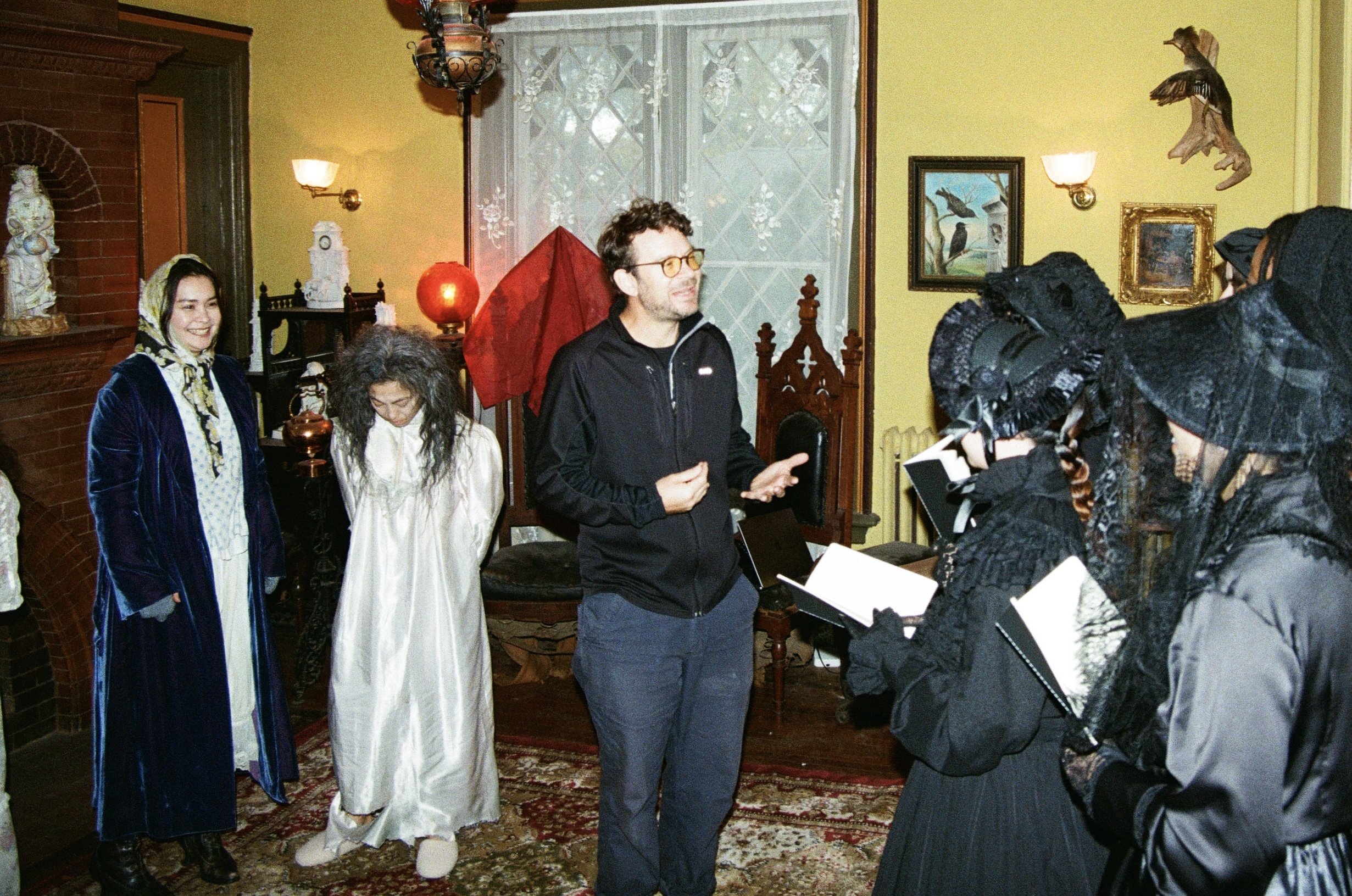
Noel Paul directing “Where’s My Phone?” Photo: Melanie Safi
P: Speaking of interpretations, what has it been like reading or watching fan responses as they share their own readings of the video?
NP: People have made reaction videos, which is a first for me that I know of. There was this woman who made an almost 40-minute reaction video to first the song and then the music video. And she started crying. When I tried to find it again, it was offline. But it was very moving that someone resonated with the video like that. I think she said, ‘This is what the inside of my mind feels like.’
P: How was the experience of reading the Shirley Jackson novel for the first time?
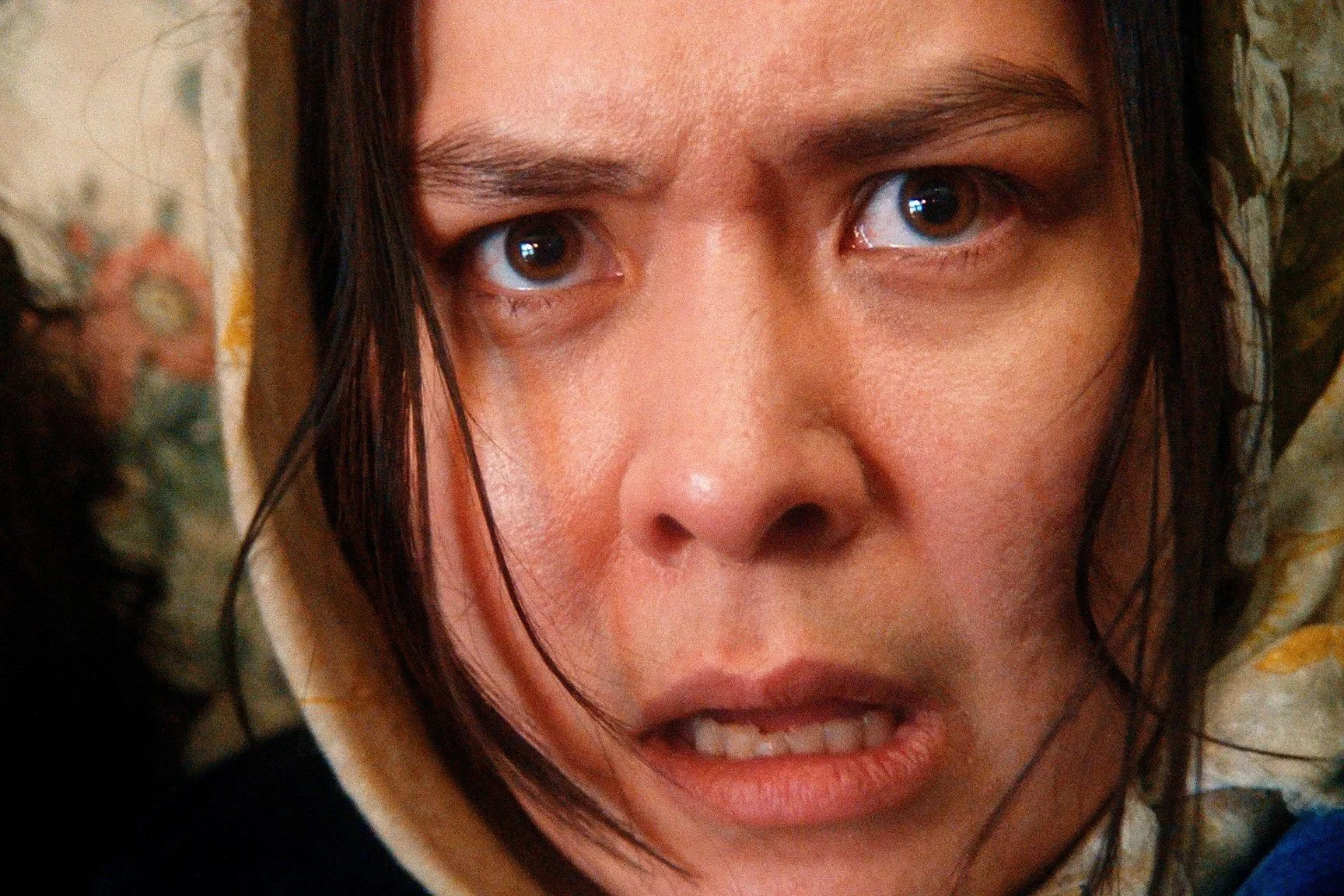
NP: I didn’t know much about the New England Gothic genre. My association with the word ‘Gothic’ in literary terms is Southern Gothic: Flannery O’Connor and stuff like that. So as I got further into it, I was like, ‘Okay, it’s more like Flannery O’Connor mixed with John Updike—but very dark and witty. It's got the New England vibes. But what I loved about it were two things: the first thing was that I just loved how overtly, explicitly murderous the internal monologue of the cat-like main character is. And the way that she describes her little rituals designed to stop herself from killing. I tried to reflect those two things in the video. Like at the beginning, Mitski gets tripped by a disembodied foot, and you get this close-up of her face falling in front of the camera. It happens five times in a row, and each time, we had her give a very different facial expression. There are other little moments in the film where she repeats actions, and those were my own little homages to the ritualistic behaviours described in the book. And then to reflect how hilarious and explicit the murderous thoughts were, I thought it would be amazing if she just cartoonishly killed someone during the guitar solo. She’s just repetitively slapping him, and it’s not really gory, so there’s a sense of humour there in keeping with the dry wit of Shirley Jackson. And Mitski's really funny—she has some of that humour herself.
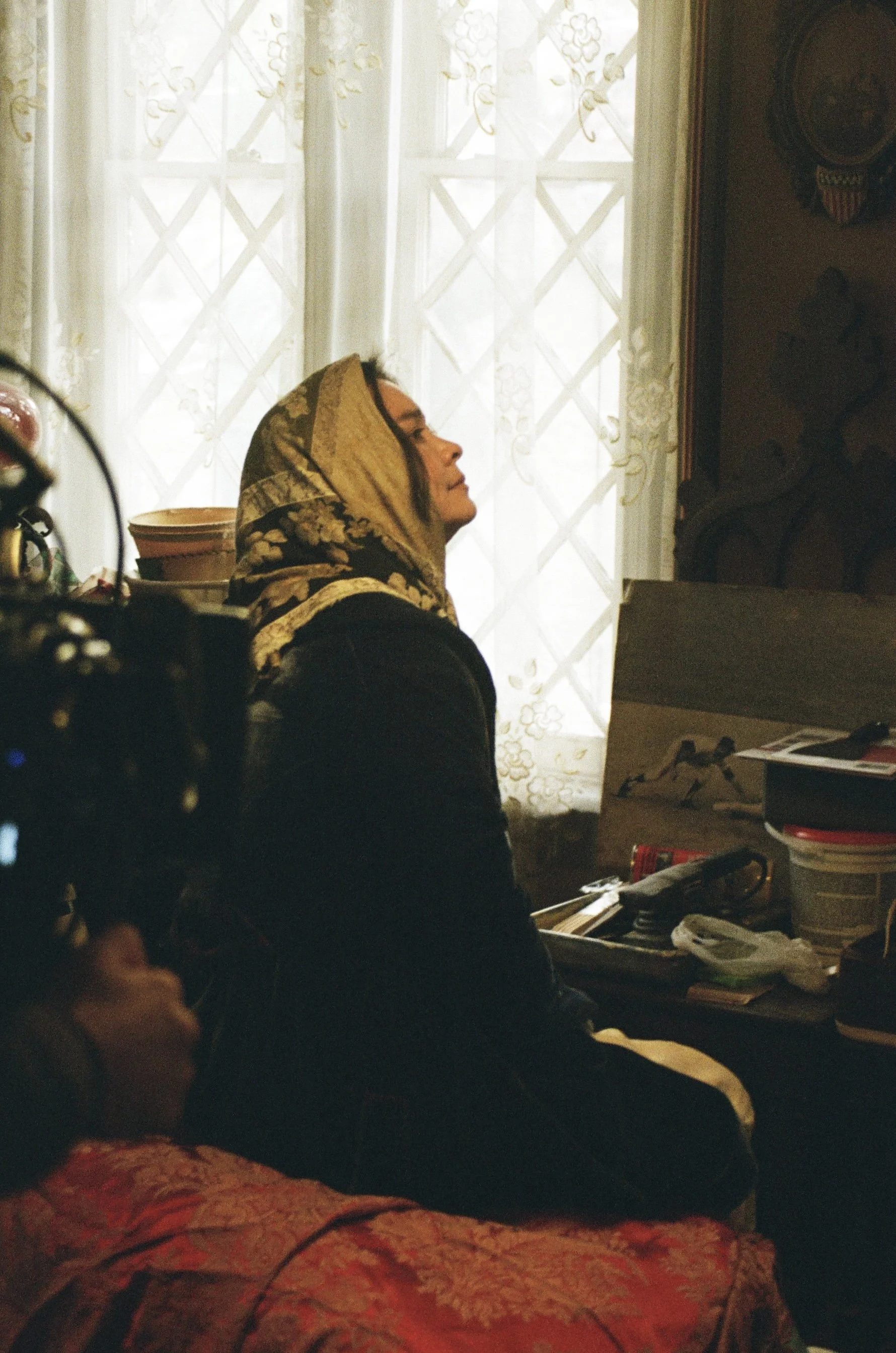
BTS Pics Courtesy of Melanie Safi
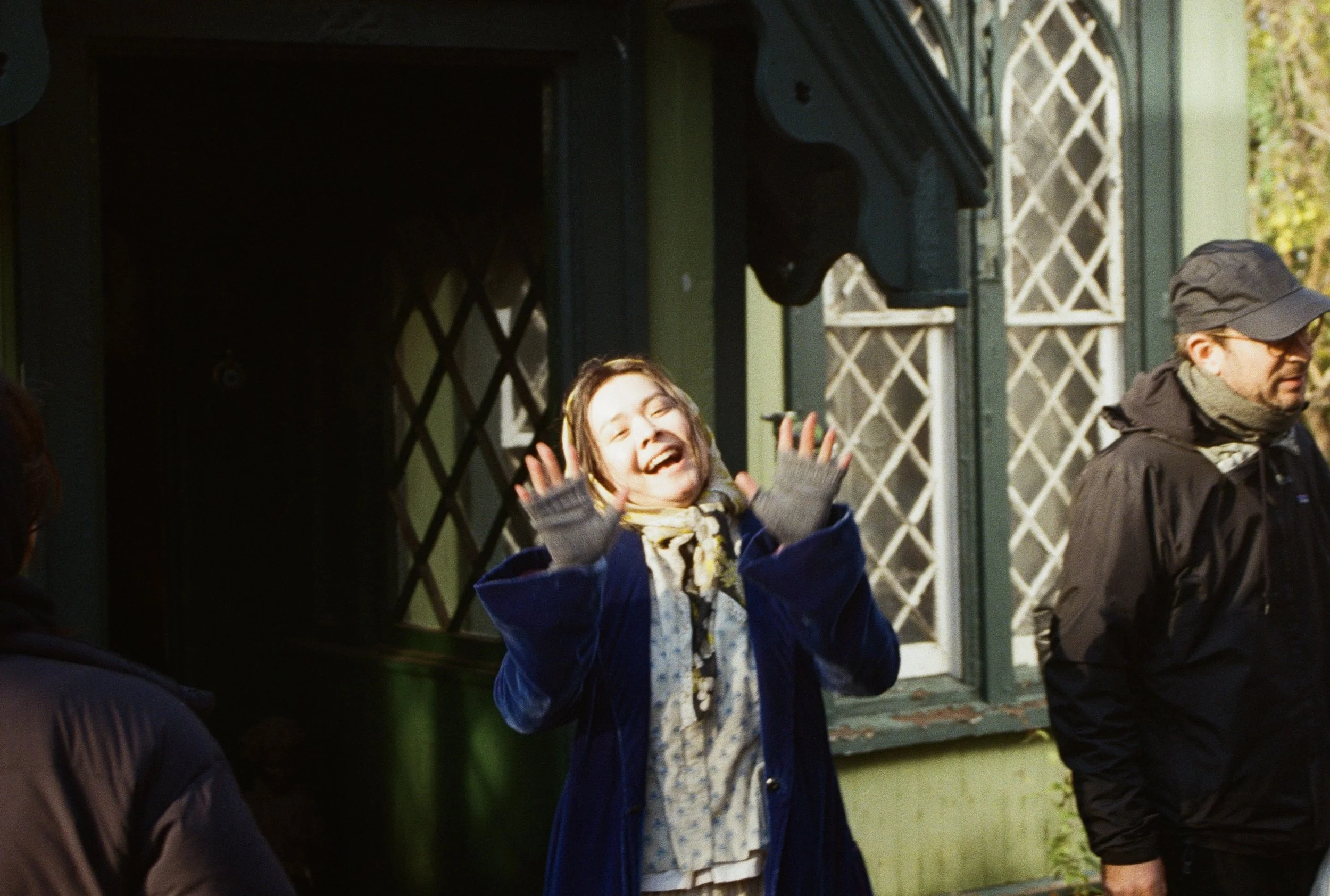
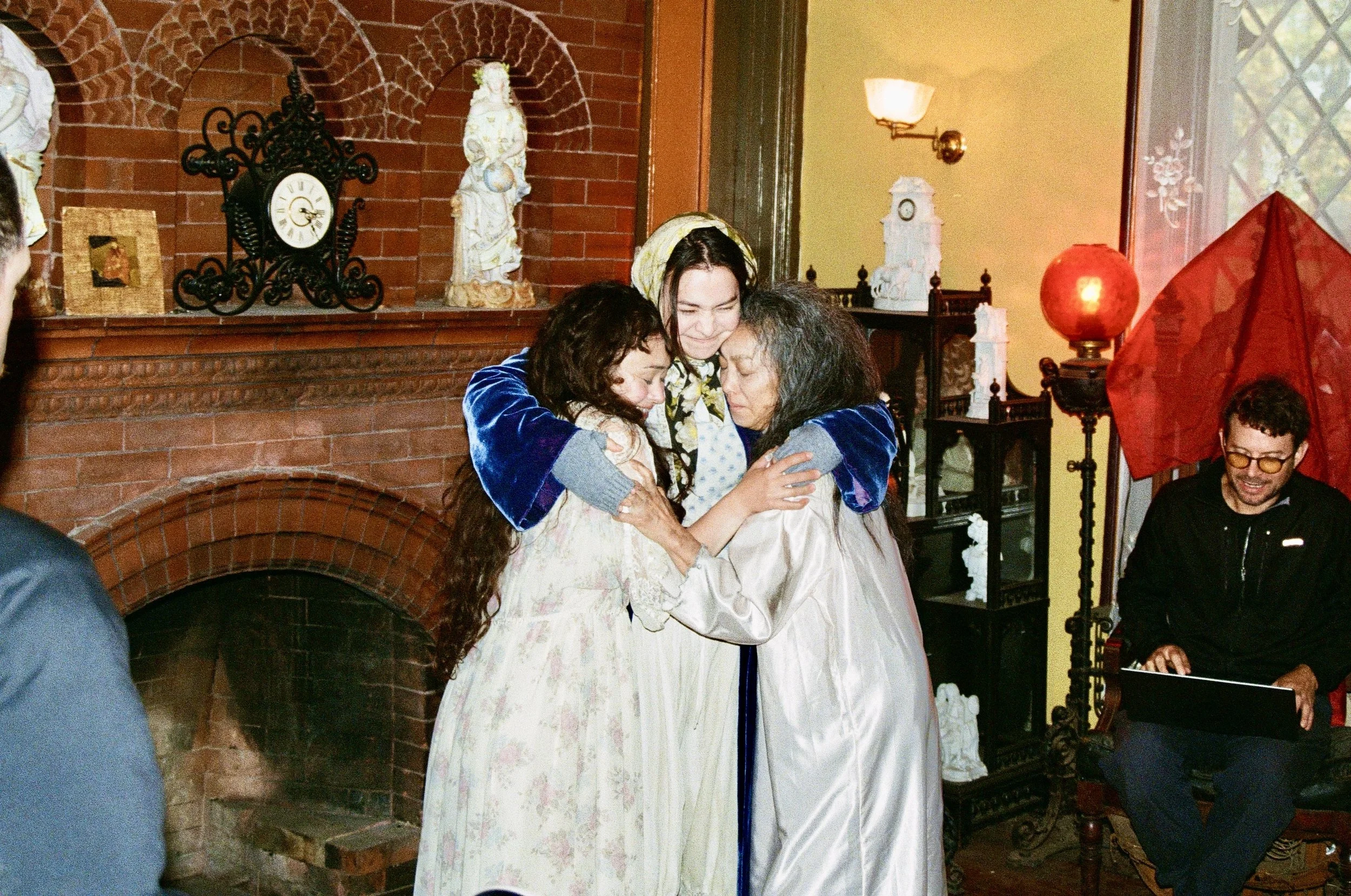
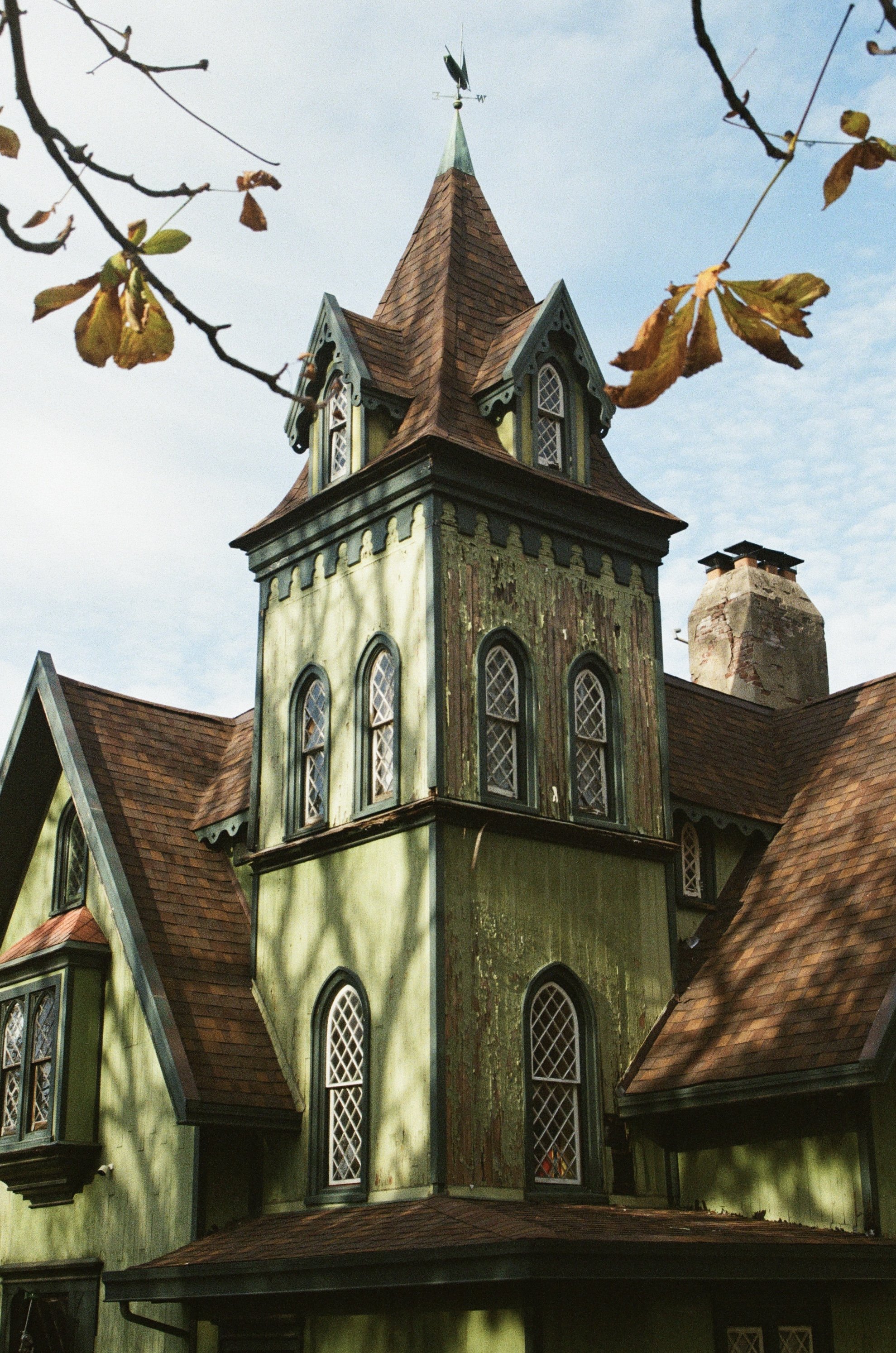
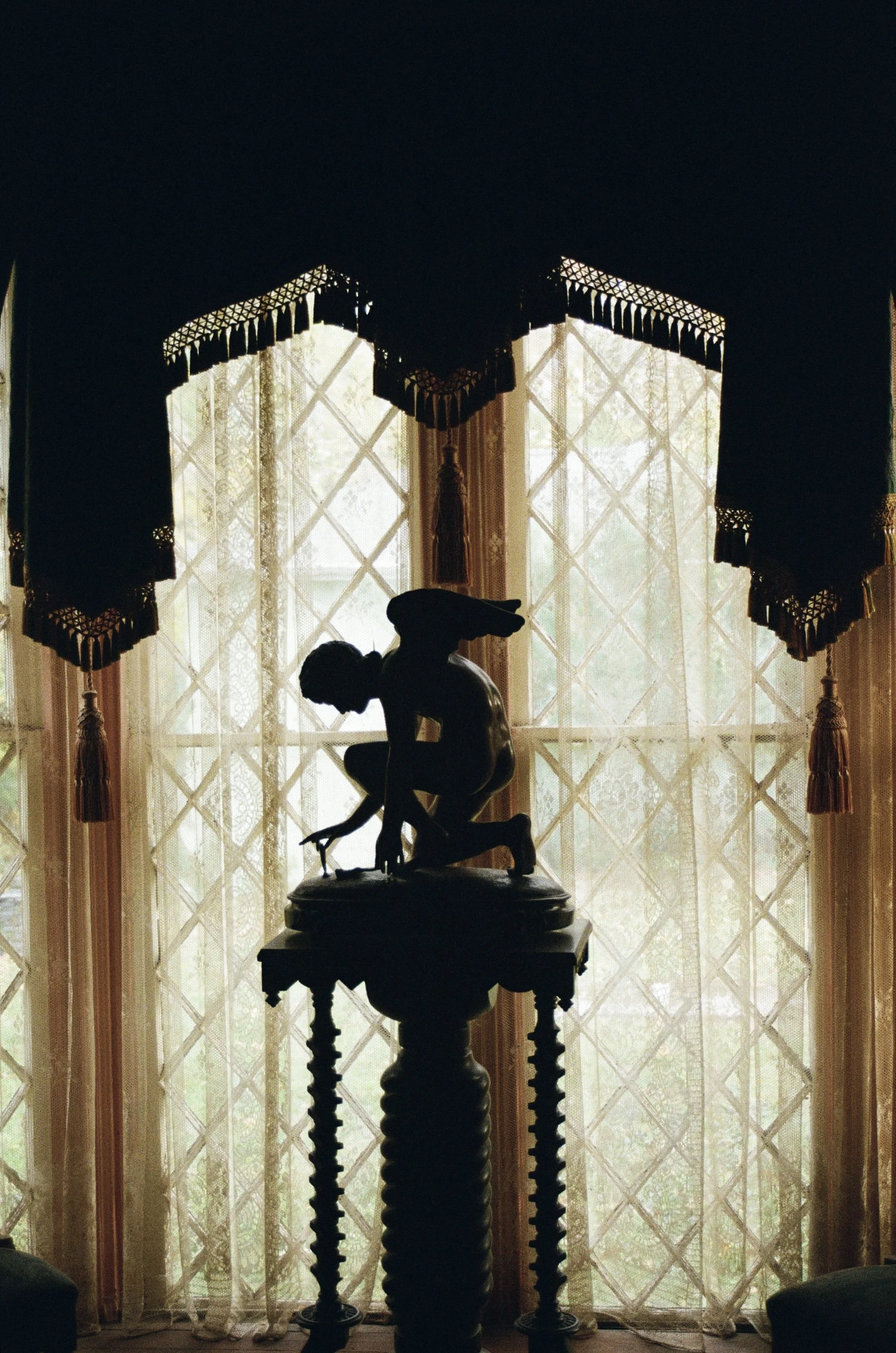
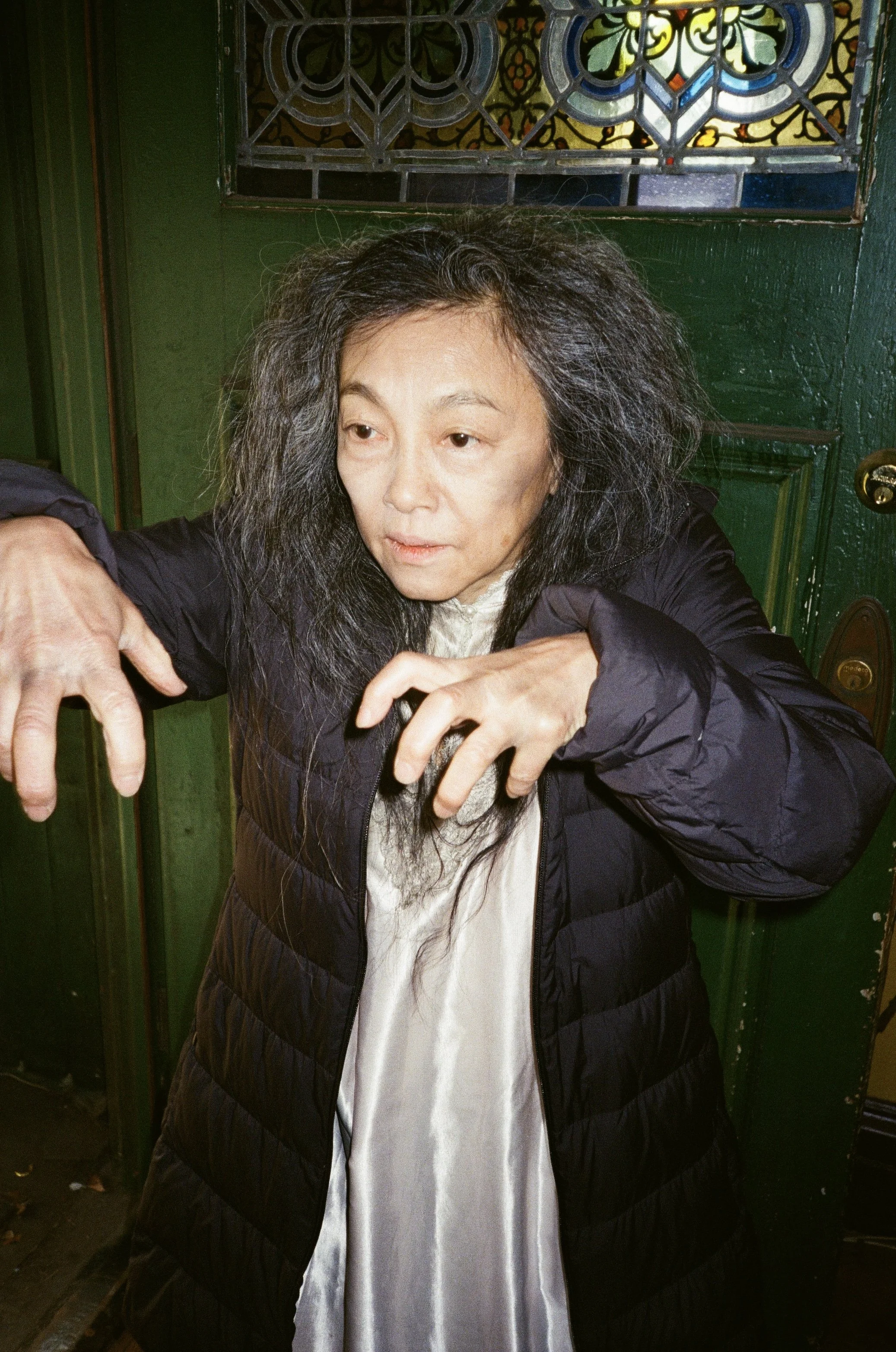
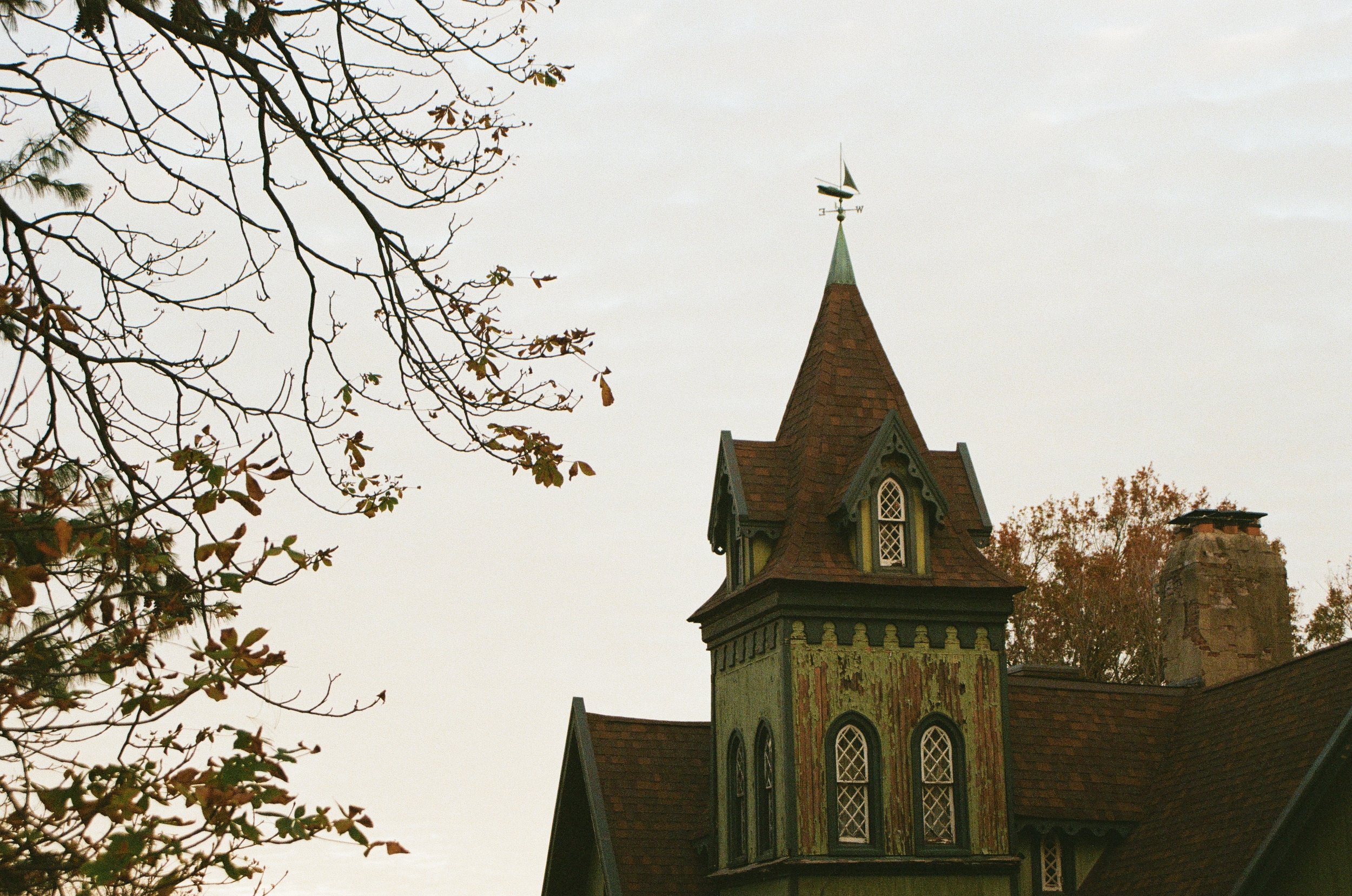
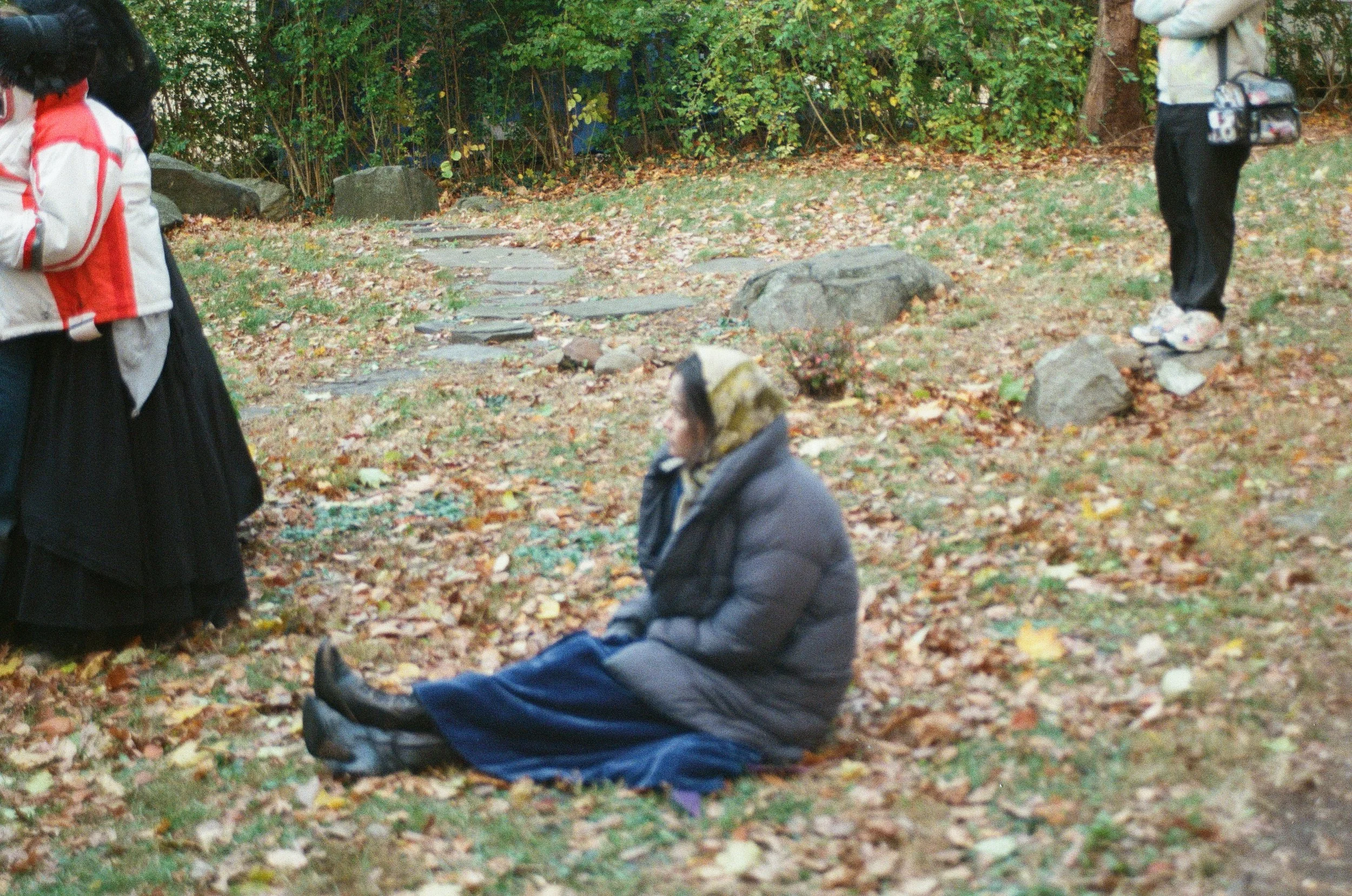
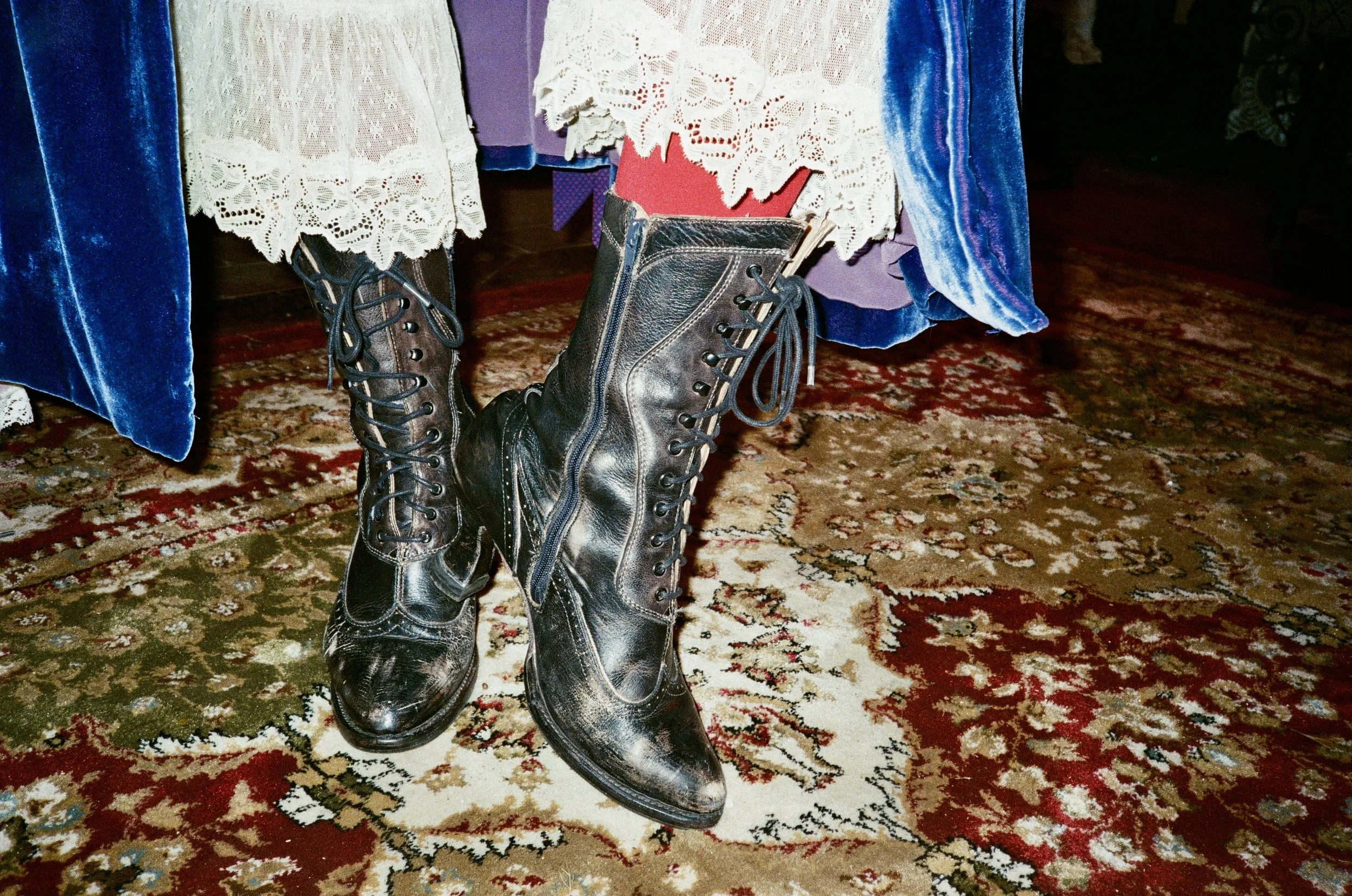
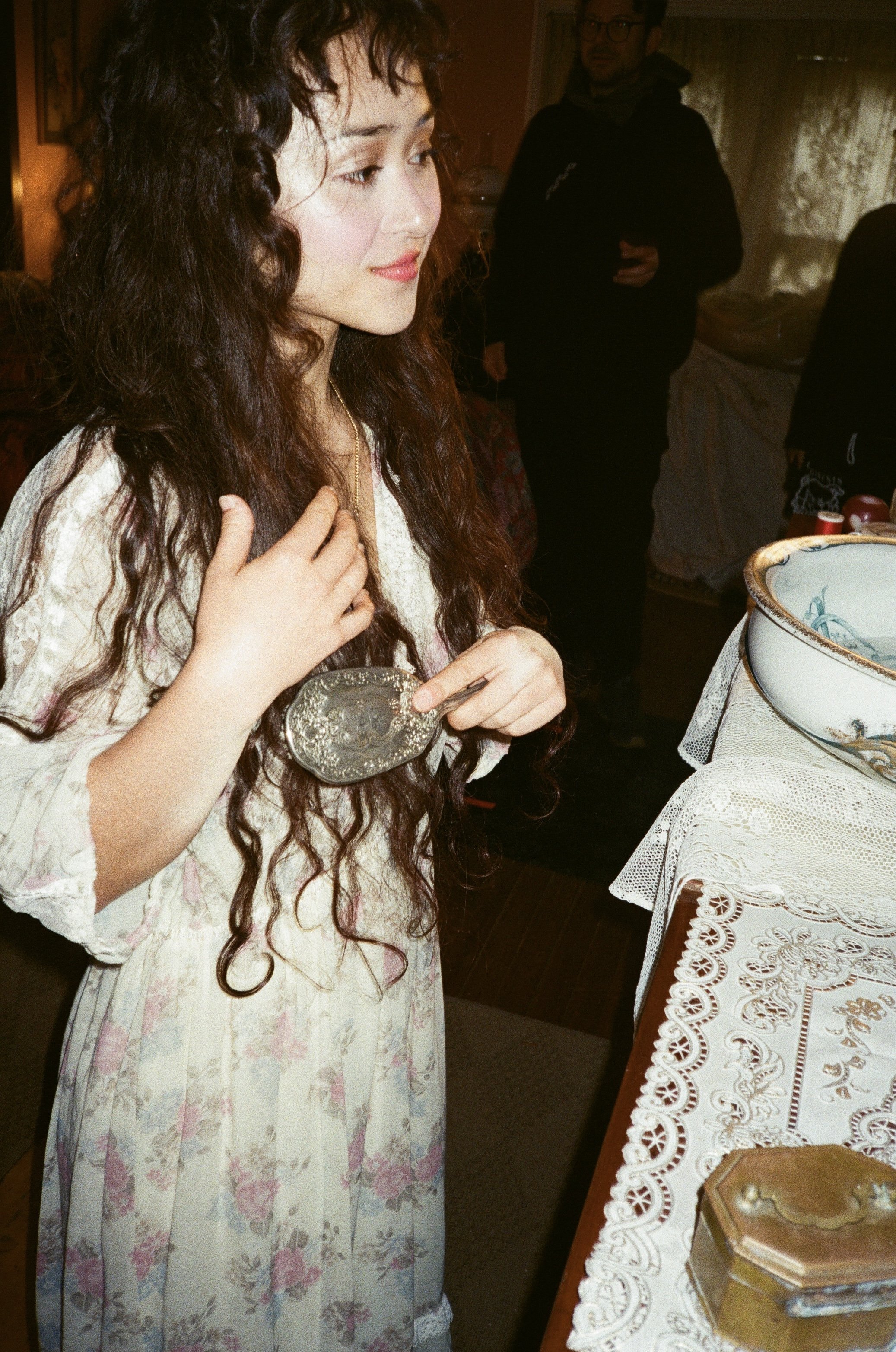
P: This isn’t your first kind of horror-tinged video. Are you a fan of the genre? And if so, what attracts you to it?
NP: I almost never watch horror films. Too scary [laughs]. But what I’m a fan of is that it’s the most experimental genre, even if my own taste doesn't lean in that direction as a viewer. The tinge of horror is so subtle in this video. It's not really gory. It’s not really about generating a feeling of revulsion. Maybe it’s more terror, about the anticipation. But it goes so fast that it doesn't take time to build tension in traditional ways. Maybe it’s the iconic archetypes from the history of cinema, like the milkman, that make it feel Lynchian or something.
Good thrillers make you feel things, right? That’s why people like them so much. By contrast, and maybe this sounds very cynical, music videos almost never make me feel anything anymore. Maybe now it’s only the ones I have a nostalgic connection to, the music videos I loved as a kid. There were years when, as a younger director, I loved the medium of music videos because it was so playful and experimental. Now I mostly care about whether a video creates a vibe that elevates the song. Part of the problem is that 99% of the emotional work in a music video is being done by the song, so it’s challenging to make a video that actually adds something more. Something that doesn’t get in the way of the song and that can evoke a surprising emotion. That’s my goal. When we were shooting this one, I thought it was probably a complete disaster because it was so extremely weird. I was on set thinking: ‘Oh, shit. This is exactly what I set out to make, but nothing about this feels like a music video. Is this gonna work?’
Courtesy of Noel Paul
P: Did it all come together for you in the edit?
NP: Yeah. I’m the editor, so I had to save my own ass on it. And this kind of situation is stressful until your client is happy. So basically, I had no idea if this video was any good or not until I sent it to Mitski. She said, ‘I love it.’ So, thank God for that. Then I put it online, thinking people might just be thinking, ‘What the fuck is this?’ But actually, what pleases me most is that it seems like people don't care about the raw, rough, sort of shitty aesthetic of the video. I think they’re getting that it’s a visceral response to social media or the world right now, mental health issues. People are getting it on a gut level in a way that is above and beyond my expectations.
P: What was the most fun that you had on the shoot, and what was your most challenging moment?
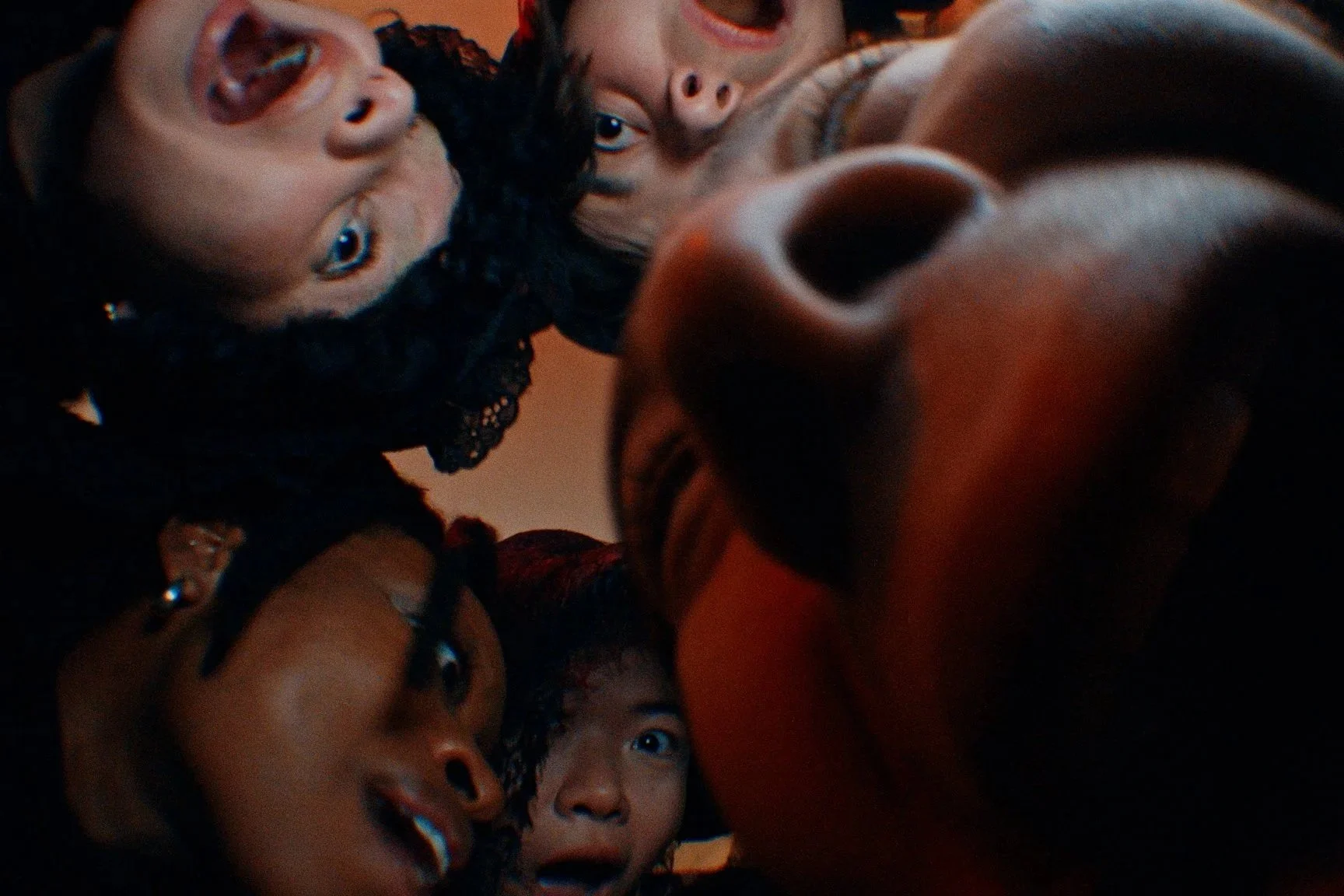
NP: The most challenging thing was that the space in the house was really, really small, yet the story basically was about Mitski running back and forth through the house. It was difficult to figure out how to do that so that it wouldn't be the same shot of her just going back and forth. Also, it was freezing cold and really windy—which looked great on camera. But for the outdoor scenes, your crew have to stand outside longer than anyone else, and your actors are in their costumes, which aren’t warm, so everybody’s miserable. You have to make sure you're not wasting their time. The most fun part was the Victorian carolers and the fight scene. For the carolers, I worked with a movement director named Monica Mirabile, whom I've worked with a couple times—she's done a lot of choreography for Mitski in the past. We first had these ideas that we later realised felt a little ‘modern dance-y’, and then my friend Martha, who’s one of the carolers and was working as the Dramaturg on the video—helping me make sure that the performances we were getting had enough schizophrenic variety—suggested they all move together with really tiny steps like in cartoons. Figuring out that vibe was super fun because it really created the comedic tone and sensibility of the video. Then the other thing was just Mitski's facial expressions. She just had to make dozens and dozens of wild facial expressions, and she was super down. You have to be really committed to let yourself be so foolish.
Courtesy of Noel Paul
P: As a director, how do you kind of get that performance out of your lead actor?
NP: We would talk about it beforehand, but sometimes it’s helpful to shout things when shooting, especially when she has to make 10 or 12 extreme, very different facial expressions. And that was needed because the video is almost slapstick, you know? It’s so over the top. It would also help to put on different music. We didn’t really listen to ‘Where's My Phone?’, and when we did, it was really slowed down to match the frame rate. We listened to Stravinsky’s ‘Firebird’ a lot. It’s really beautiful and anxious. We listened to the opening theme of the Werner Herzog film, Aguirre, the Wrath of God, which is beautiful and ethereal but dark—it’s a choral piece but with synthesiser and choir. That was a pretty good one. And when we needed to move in rhythm with the song, but the song was so slowed down that it was hard to follow the rhythm, I combined it with the beat at the beginning of an Iggy Pop song, from the Trainspotting soundtrack that I loved when I was a kid. That gave everyone the rhythm, even though the track itself was super slowed down. So a lot of it is creating the right vibe in the room so that people instinctively know the tone. Because it’s bad directing to just go into a room full of people and be like, ‘Now be more sad. Now be funny.’ And these are all actors and dancers. They're like, ‘What's my motivation? Who am I looking at? Am I happy that Mitski is beating up this boy?’ And for this video in particular, there wasn’t one kind of emotional tone we were going for. We wanted people to hopefully understand it as more of an emotional cacophony.
Courtesy of Noel Paul
Courtesy of Noel Paul
P: The music video has gradually become less integral to the business. What do you make of its changing place in the industry?
NP: There are still big event music videos: Beyoncé, Harry Styles, Charli XCX, A$AP Rocky videos... whoever's the big pop star at the moment. When they release videos, it's still a cultural event, and they often can be flagship visual creative media. I don't think that's changed. But budgets have gone down relative to the era where you had MTV and VH1, and the bottleneck to get something seen by a wide audience was much narrower. So it was worth it to spend millions of dollars to try to get onto those platforms. Now, you don't need to. You know, now, something a 12-year-old makes in AI or with a camcorder could theoretically blow up and get a billion views. So the logic behind spending money on videos is different for artists and record labels. That's just what it is.
Another thing that hasn’t changed is the way young fans of the artists watch music videos. When you’re a young person on a journey of cultural exploration, finding the music that resonates with you, then you’re naturally very curious to see videos from the artists you gravitate towards. And yeah, it’s especially intense for young teens, but it’s a lifelong exploration of culture that we’re all on. For me, it’s a pleasure to make music videos where I get to invest in a creative project, pour myself into it, and then I can find some comment that’s written by a 13-year-old or sometimes maybe even a 73-year-old who's really seen something in it. That makes it very worthwhile for me.
P: What can we kind of expect from you next?
NP: I edited a feature documentary that premiered just a few days ago in Berlin called Bucks Harbor. It's about a bunch of fathers and sons in a lobster fishing village in Maine. I’m really excited about that.